





The Significance of 26
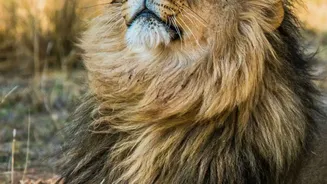
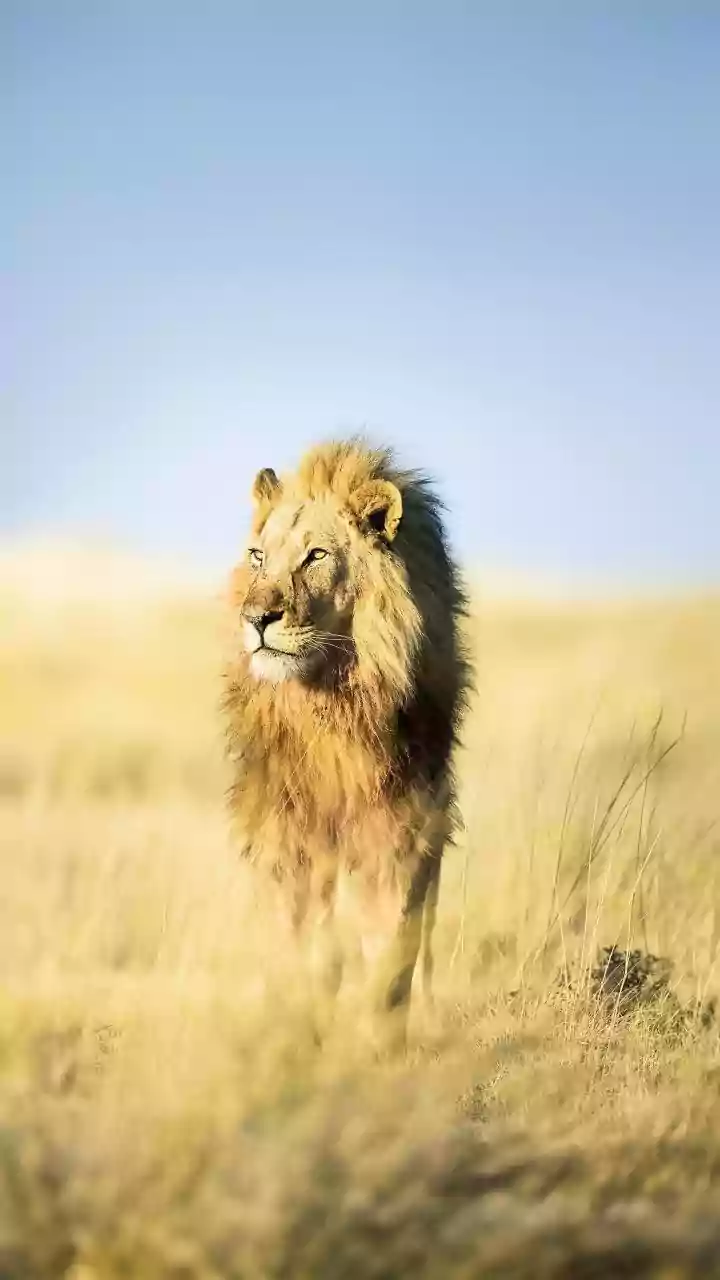
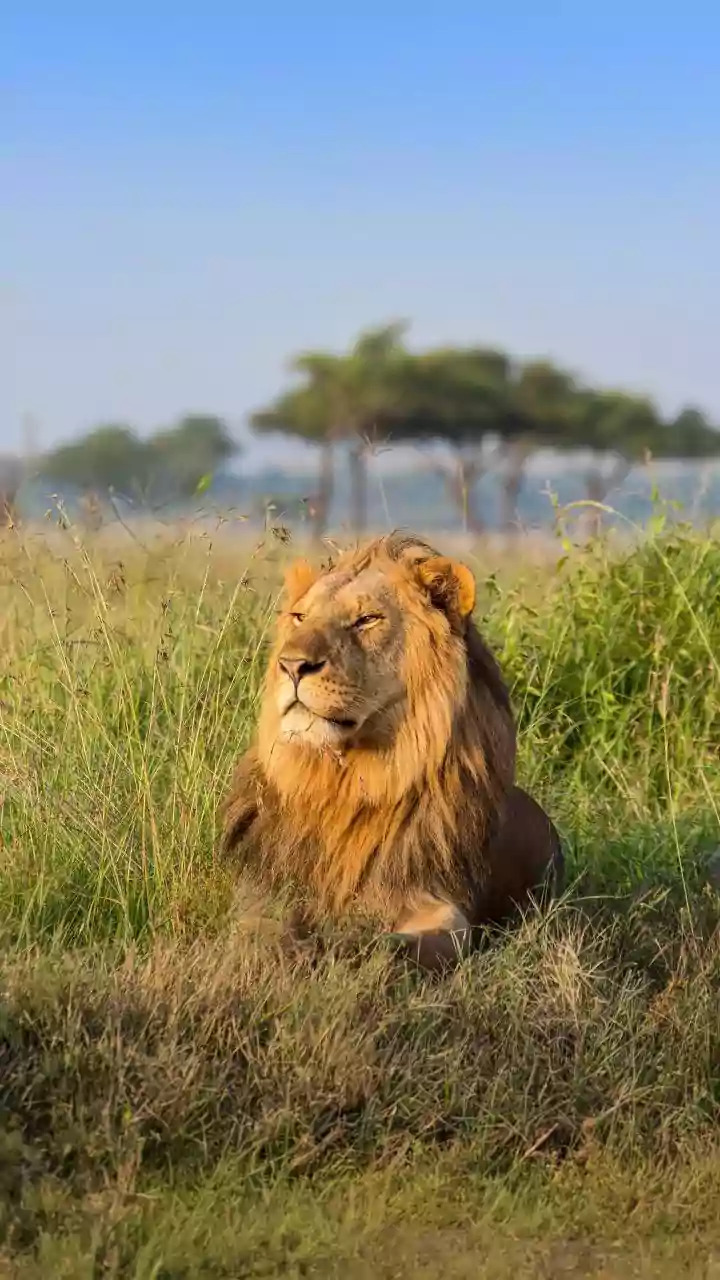
The figure, though modest, marks a pivotal moment for the conservation of the Asiatic lion. For 144 years, the rugged hills of Barda were silent, with the last lion disappearing from the region in 1879. This new population, consisting of adults and cubs,
confirms that Barda is once again a viable habitat, officially becoming the second home for lions in India outside of their single stronghold in the Gir Forest. This development is a core objective of Project Lion, a national initiative to create a geographically separate population to protect the species from potential catastrophes like disease outbreaks, which could devastate the concentrated population in Gir.
A Return Forged by Nature and Nurture
The return of lions to Barda was not entirely orchestrated. The journey began in January 2023 when a lone male lion naturally dispersed from the Gir landscape and wandered into Barda, a trek of about 100 kilometres. This pioneering act signalled to conservationists that the habitat, after years of restoration efforts, could once again support the big cats. Following this natural migration, the Gujarat Forest Department translocated five females to establish a breeding population. The presence of 11 cubs in the latest count is a testament to the success of this strategy, demonstrating that the lions are not just surviving but thriving and breeding in their new environment.
Building a Home Fit for a King
Establishing a new lion habitat is more complex than simply moving animals. A crucial challenge has been ensuring a sufficient prey base. Early surveys revealed a scarcity of natural prey like spotted deer. To solve this, the forest department initiated a massive relocation program, using a gentle herding technique known as the Boma method to transfer hundreds of deer from the well-populated Gir forest to Barda. Scientific studies have been instrumental in this process. Researchers radio-collared six of the lions to track their movements, social structures, and dietary habits. Data showed the lions establishing home ranges and primarily hunting wild prey like wild pigs, though some instances of preying on domestic cattle were also noted, highlighting the need for careful management of human-wildlife interactions.
The Genetic Imperative
The entire Asiatic lion population is descended from a tiny group of fewer than 50 individuals that survived into the early 20th century. This created a severe genetic bottleneck, leaving the species vulnerable to diseases and reproductive issues. The isolated nature of the Gir population has been a long-standing concern for conservation scientists. A 2018 outbreak of Canine Distemper Virus that killed nearly 30 lions in Gir was a stark reminder of how quickly a single-site population could be devastated. By creating a second, separate population in Barda, conservationists are building a vital ecological insurance policy. This new population, if it becomes self-sustaining, will broaden the species' genetic diversity and significantly improve its long-term survival prospects.
The Path Forward for Barda's Lions
The successful establishment of 26 lions is a beginning, not an end. The long-term vision under Project Lion is to nurture a robust, self-sustaining population in Barda. This will require continued efforts in habitat restoration, prey augmentation, and community engagement to mitigate human-lion conflict in the villages surrounding the sanctuary. While a 2014 report noted Barda could only hold a maximum of 35 lions, ongoing habitat improvements aim to increase that capacity. For now, the focus remains on careful monitoring and protection. Plans are also underway for a safari park near Barda, which will eventually allow the public to witness this historic conservation success story, though for now, Gir remains the primary destination for lion tourism.