


A Disappointing Monsoon
The 2026 southwest monsoon, which provides the majority of India's annual rainfall, ended with a significant 12.6% deficit compared to the long-period average. According to the India Meteorological Department (IMD), the season was hampered by a strengthening
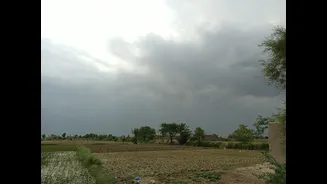
El Niño event, resulting in the lowest monsoon rainfall in over a decade. The distribution was highly uneven. While Central India received near-normal rainfall, the southern peninsula and the east and northeast regions were severely affected, with deficits around 24% and 26% respectively. This nationwide shortfall has direct consequences for the water levels in the large reservoirs that serve as the primary source of drinking water for hundreds of millions of people in urban centres.
Urban Reservoirs Feel the Strain
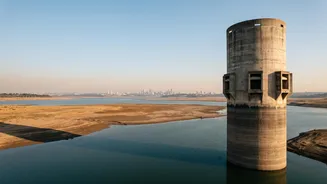
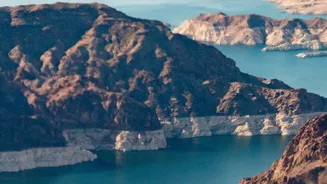
By the end of September 2026, just as the monsoon season officially closed, water storage in India's major reservoirs stood at only 70% of total capacity. This is below both last year's levels and the ten-year average for this time of year. The situation is particularly grim in the south, where reservoirs were only at 50% capacity due to a 23% rainfall deficit in the region. This directly impacts major metropolitan areas like Bengaluru, Chennai, and Hyderabad, which have historically struggled with water security. With reservoirs not adequately replenished, cities face the looming threat of water cuts, increased reliance on expensive water tankers, and severe stress on groundwater resources in the dry months ahead.
Beyond Big Dams and Reservoirs
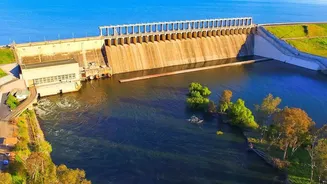
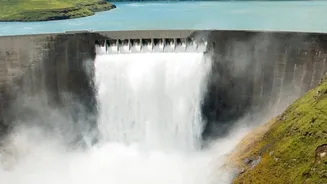
For decades, urban water planning in India has been monsoon-centric, relying heavily on large, distant dams to capture seasonal rainfall. However, this year's weak monsoon highlights the vulnerability of this centralized model. When rainfall is poor, these massive storage systems fail to fill up, creating a ripple effect of scarcity. Furthermore, rapid and often unplanned urbanization has compounded the problem. Cities have expanded over natural recharge zones like lakes and wetlands, covering them with concrete and asphalt. This prevents rainwater from percolating into the ground to replenish aquifers, leading to a dual crisis of surface water shortages and declining groundwater levels.
A New Blueprint for Water Security
The current crisis is prompting experts to call for a fundamental shift in urban water management. Instead of relying solely on a few large dams, the focus is moving towards a more diversified and decentralized approach. This includes a major emphasis on rainwater harvesting at a local level, not just for storage in tanks but for actively recharging groundwater. Solutions like China's 'Sponge City' concept, which uses permeable pavements and green infrastructure to absorb and retain rainwater, are being discussed. Reviving and protecting local water bodies, such as the thousands of lakes and tanks that once dotted the landscapes of cities like Bengaluru, is another critical component. These smaller, distributed systems create a buffer against a single failed monsoon.
The Rise of Smart Water Management
Technology and policy are converging to create more resilient systems. The push is towards a circular water economy, where wastewater is treated and reused for non-potable purposes like gardening, industrial cooling, and flushing, reducing the demand on fresh water sources. Many commercial buildings are already seeing significant reductions in freshwater use by implementing such systems. Simultaneously, the adoption of smart water management is growing. This includes integrating IoT sensors into water tanks to monitor levels and quality in real-time, allowing for automatic leakage detection and more efficient distribution. By making water use more visible and manageable, cities can significantly reduce losses from aging and leaky pipe networks, a major source of urban water wastage.