



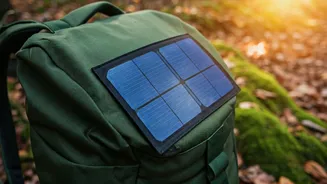


What Exactly Are Solar Sheets?
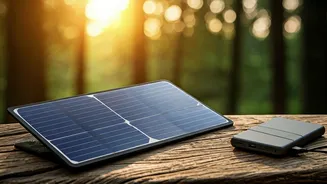
Forget the heavy, rigid glass solar panels you see on rooftops. Ultra-thin solar sheets, also known as flexible solar panels, are a different breed. They are built using advanced photovoltaic technologies like CIGS (Copper Indium Gallium Selenide) or emerging
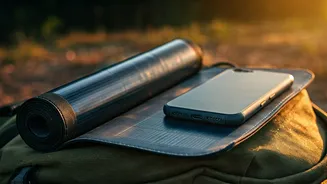
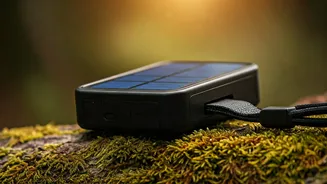
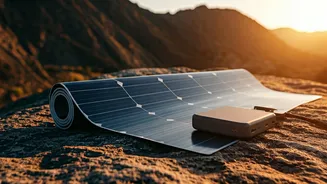
organic materials. These technologies allow solar cells to be printed onto flexible, lightweight backings, such as durable polymers. The result is a solar charger that can be rolled up like a yoga mat or folded down to the size of a small notebook. Unlike traditional panels that shatter if dropped, these are designed to bend, flex, and withstand rough handling, making them perfect for stuffing into a backpack without a second thought.
The Portability Advantage
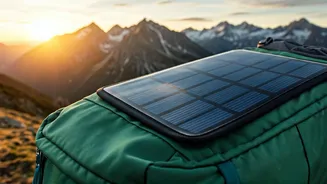
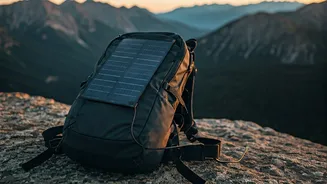
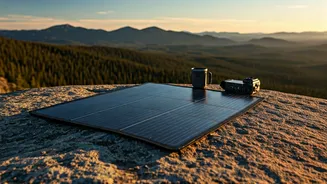
The primary appeal of these solar sheets is their incredible portability. A typical 10-watt rigid solar panel can weigh over a kilogram and is bulky to pack. In contrast, a flexible solar sheet with a similar output might weigh as little as 200-300 grams. This massive weight saving is a blessing for anyone who carries their gear on their back, whether it's a multi-day trekker, a bikepacker, or an emergency responder. Many are designed with built-in grommets or carabiner loops, allowing you to easily attach them to the outside of your backpack to charge your devices while you walk. This passive charging capability means you can arrive at your campsite in the evening with a topped-up power bank or phone, without having to stop during the day.
Key Features to Look For
When shopping for a solar sheet, three specifications matter most. First is wattage (W), which indicates its power output under ideal sunny conditions. A 5-7W panel is enough for slowly topping up a smartphone, while a 15-25W panel can charge a power bank or multiple devices more effectively. Second, check the output ports. Most modern panels come with USB-A ports, but look for one with a high-amperage (2.4A) port or, even better, a USB-C port for faster, more efficient charging of compatible devices. Third is efficiency, which tells you how well the panel converts sunlight into electricity. Higher efficiency means you get more power from a smaller surface area, but often at a higher cost. For most users, a balance of wattage and portability is more important than chasing the highest possible efficiency.
Built for Rugged Use
The 'rugged' claim isn't just marketing. These panels are engineered for the outdoors. Look for an IP rating, which measures dust and water resistance. An IP65 rating, for example, means the panel is dust-tight and can withstand water jets, so you won’t have to worry about rain showers or splashes. The surface is typically coated with a durable ETFE laminate, which is not only weatherproof but also scratch-resistant and self-cleaning to a degree, helping maintain efficiency even after being dragged through dirt and dust. This resilience ensures that your investment continues to perform trip after trip, from dusty desert landscapes to humid monsoon treks.
Managing Your Power Expectations
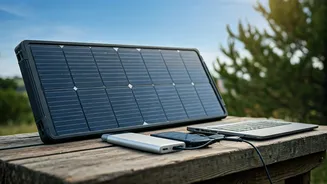
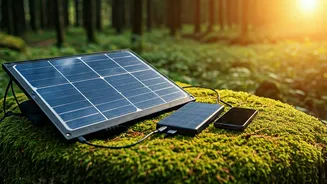
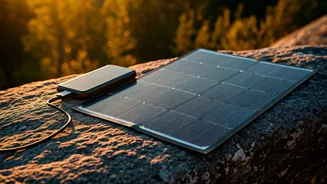
While this technology is impressive, it's crucial to have realistic expectations. A solar panel is not a wall charger. Its performance is entirely dependent on clear, direct sunlight. Overcast skies, shadows, or a low sun angle will dramatically reduce its output. Think of a solar sheet as a 'trickle charger' for the wilderness. It's designed to keep your essential devices topped up, not to rapidly charge a dead battery from 0% to 100% in an hour. The best strategy is to pair it with a power bank. Use the daylight hours to charge the power bank, then use the stored energy to charge your devices at night or during poor weather. This approach gives you a reliable power reserve and decouples your device charging from the whims of the sun.