




Why You Should Use Herb Stems
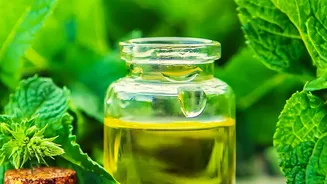
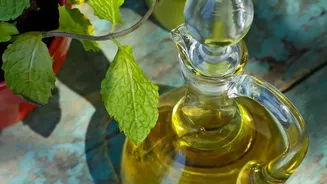
The stems of soft herbs like coriander (dhania) and mint (pudina) are packed with flavour, often more potent than the leaves themselves. Using them to infuse oil is a brilliant way to practice root-to-stem cooking, a sustainable approach that aims to use every
part of a vegetable to reduce food waste. With an estimated 30-40% of the food supply going to waste, small changes in the kitchen can have a significant impact. Beyond sustainability, you are also creating a new, versatile ingredient for your pantry. These infused oils capture the bright, zesty essence of coriander and the cool, refreshing notes of mint, perfect for adding a gourmet touch to simple dishes. Moreover, both herbs are known for their potential health benefits, including anti-inflammatory properties and antioxidants.
A Simple Guide to Making Infused Oil
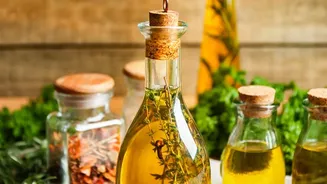
Creating your own herb oil is straightforward. The hot infusion method is recommended for fresh stems because it's quicker and safer, as the heat helps prevent the growth of bacteria. First, gather your coriander and mint stems. Wash them thoroughly and, most importantly, dry them completely. Excess water is the enemy here, as it can cause the oil to spoil and creates a risk of bacteria. For this reason, some chefs even let the stems wilt for a few hours to reduce moisture content. Next, choose a neutral-flavoured oil like sunflower, grapeseed, or a light olive oil, which will allow the herb flavours to shine. You'll need a saucepan and a clean, sterilised glass jar or bottle for storage. Sterilising the container by boiling it for ten minutes is a crucial step for food safety.
Step-by-Step Hot Infusion
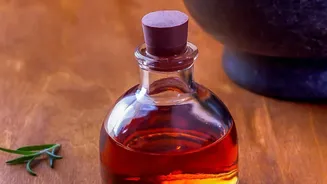
Once your stems are clean and dry, you can lightly bruise or chop them to help release their aromatic compounds. Place the stems in a saucepan and pour enough oil to cover them completely. Heat the mixture gently over the lowest possible heat. The goal is to warm the oil slowly to draw out the flavour, not to fry the herbs. Let it steep for anywhere from one to three hours, ensuring the oil never simmers or boils. You should stir it occasionally. The oil is ready when it has a strong, fragrant aroma of mint and coriander. Turn off the heat and let it cool down completely. Once cooled, strain the oil through a fine-mesh sieve lined with cheesecloth or a coffee filter to remove all the solid plant material. This ensures a clear, pure oil. Pour the finished product into your sterilised glass bottle and seal it tightly.
Storage and Safety
Because you are using fresh ingredients, homemade infused oils have a shorter shelf life than commercially produced ones. The biggest risk associated with improperly prepared infused oils is botulism, a serious illness caused by bacteria that thrive in low-oxygen environments like oil, especially when moisture is present. The hot infusion method and ensuring your herbs are dry significantly reduce this risk. For maximum safety and freshness, store your coriander and mint oil in the refrigerator and plan to use it within a week. Some oils may solidify in the fridge; simply let the bottle sit at room temperature for a few minutes to liquify before using.
How to Use Your Homemade Oil
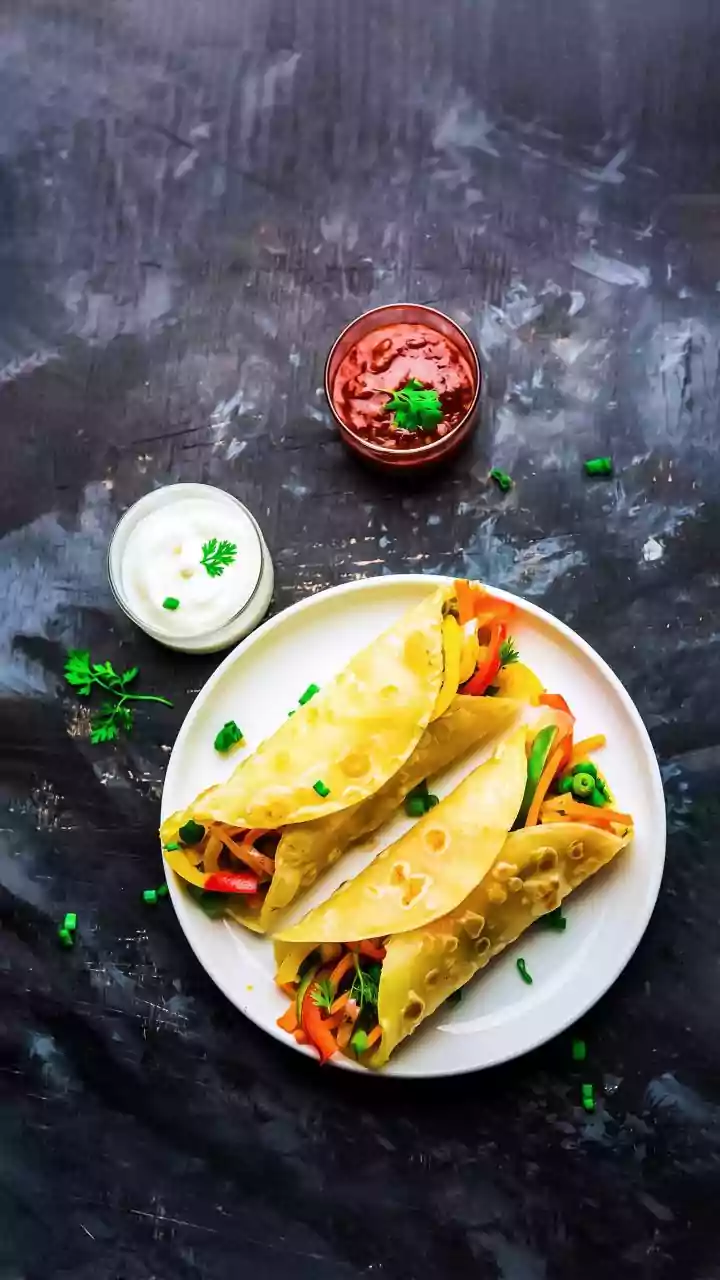
This aromatic oil is incredibly versatile. Use it as a base for a zesty salad dressing by whisking it with lemon juice and a pinch of salt. Drizzle it over grilled chicken, fish, or paneer for a fresh, herbal finish. It’s also fantastic for tossing with roasted vegetables, stirring into rice or quinoa, or simply as a dipping oil for crusty bread. You can use it to add a final flourish to soups or dals, giving them a burst of brightness just before serving. The vibrant flavours make it an easy way to elevate everyday cooking with an ingredient you made yourself from what would have been food waste.