







A Nationwide Crackdown on Claims
The Food Safety and Standards Authority of India (FSSAI) has initiated a significant enforcement drive, issuing over 150 notices to food companies in recent months for misleading advertisements and improper labelling. This crackdown targets some of the
biggest names in the industry, including Nestlé India, PepsiCo, Coca-Cola India, Mondelez, and Danone, among others. The regulator's actions are not limited to just packaged goods manufacturers; the sweep also includes e-commerce giants like Amazon and Flipkart, as well as popular food service chains such as McDonald's, Domino's, and Pizza Hut. Actions have been stringent, with FSSAI seizing products and even suspending the licences of some businesses, including a warehouse operated by Amazon and several Domino's outlets.
The Words That Cause Trouble
The core of the issue lies in the use of claims that imply health benefits without sufficient scientific proof. FSSAI is targeting terms that create a 'health halo' around products, leading consumers to believe they are healthier than they actually are. This includes trade names that inherently suggest a health benefit, like 'Healthy & Tasty', or product descriptions such as 'Zero Maida'. One of the most significant changes is the FSSAI's firm stance against the use of the term '100%'. The regulator has advised brands to stop using claims like '100% natural' or '100% real fruit juice' because the term '100%' has no legal or scientific definition under Indian food laws, making it ambiguous and potentially deceptive.
What Sparked the Change?
This wave of enforcement appears to be a response to growing consumer awareness and an increasing number of complaints about deceptive food marketing. The FSSAI is moving towards a zero-tolerance approach against what some call “clean-washing”—where companies use buzzwords like 'organic' or 'vegan' to justify premium prices without meeting strict regulatory standards. For example, some brands were flagged for marketing products as 'vegan' without obtaining the necessary approval from FSSAI. The regulator has made it clear that all health and nutritional claims must be truthful, unambiguous, and scientifically substantiated. This renewed focus signals a major shift from issuing guidelines to stricter enforcement, aiming to hold brands accountable for the claims they make on their packaging and in advertisements.
How to Be a Smarter Shopper
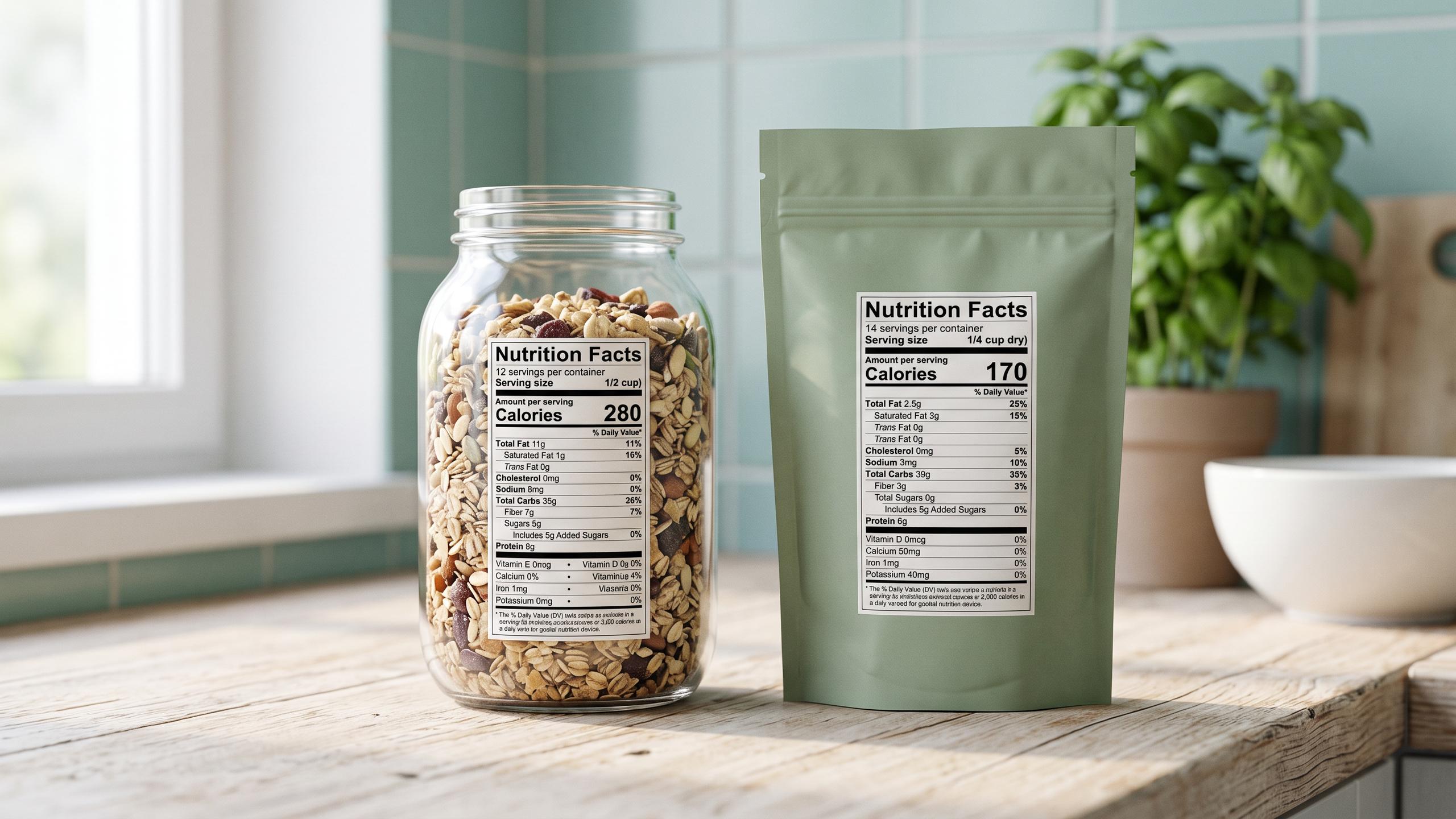
For consumers, this crackdown is a reminder to look beyond the flashy claims on the front of the pack. The most reliable information is often on the back. Instead of relying on buzzwords, turn the package over and read the ingredients list and the nutritional information table. Under new regulations, key nutritional details like calories, sugar, and fat content must be displayed in larger, bolder fonts, making them easier to spot. Look for the FSSAI logo and licence number, which is a mandatory requirement and indicates that the business is registered with the food authority. Be critical of absolute claims. If a product claims to be '100% healthy', it’s worth questioning what that truly means and checking the evidence in the nutritional facts.
The Road Ahead for Brands
Companies that have received notices are now required to respond and, in many cases, take corrective action. Several businesses, including Mondelez, have already begun withdrawing certain advertisements and revising their product claims in response to FSSAI's notices. For those who fail to comply, the penalties can be severe. Misbranding a food product can lead to a fine of up to ₹3 lakh, while misleading advertising can attract a penalty of up to ₹10 lakh. In more serious cases, or for repeat offences, consequences can include product recalls, licence suspension, and even imprisonment. This regulatory tightening is pushing the entire food industry towards greater transparency, forcing brands to ensure their marketing matches their ingredients.