




The Hidden Cost of Unhealthy Air
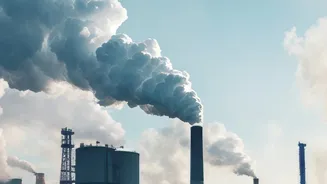
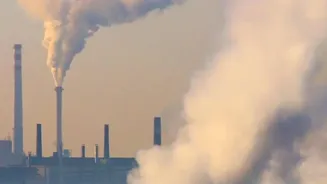
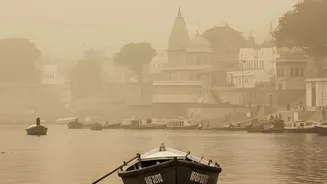
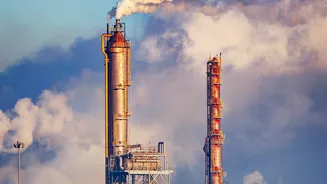
The annual smog season is no longer just an environmental or health emergency; it has become a severe economic malady. Reports from industry bodies like FICCI and CII, alongside global advisors, paint a stark picture: air pollution costs Indian businesses
billions of dollars annually. One joint report by Dalberg Advisors and the Clean Air Fund estimated the cost to be around $95 billion each fiscal year, which is approximately 3% of India's total GDP. This staggering figure is not an abstract calculation. It translates into tangible losses felt across every sector, from large corporations to the millions of micro, small, and medium enterprises (MSMEs) that form the backbone of the economy. These costs manifest in several ways: lower worker productivity, reduced consumer activity, premature mortality, and direct operational shutdowns.
A Drain on Productivity and People
One of the most significant impacts is on human capital. When air quality plummets, employee health suffers. This leads to a rise in absenteeism, with one study estimating that 1.3 billion working days are lost each year in India due to pollution-related illnesses. But an even more insidious problem is 'presenteeism'—when employees show up to work but are less effective due to pollution-induced ailments like headaches, respiratory trouble, and fatigue. On high-pollution days, employee productivity can decrease by as much as 8-10%. For the nation's critical IT and services sector, this is a direct hit to efficiency and output. A study noted that an IT company in Delhi loses a significant portion of its competitive advantage over a firm in a cleaner city purely due to the effects of air pollution. This erosion of workforce efficiency is a quiet but constant drain on India's demographic dividend.
Empty Markets and Broken Supply Chains
When the air outside is hazardous, people stay indoors. This behavioural shift has a chilling effect on consumer-facing businesses. Retailers, restaurants, and the tourism sector report a sharp decline in footfall during peak pollution periods. In Delhi, traders have noted that the number of shoppers visiting from surrounding NCR areas can drop from over three lakh daily to just one lakh during a severe smog spell. This directly impacts sales and margins, forcing businesses to offer discounts to attract customers. Simultaneously, emergency measures imposed to curb pollution, such as the Graded Response Action Plan (GRAP), disrupt the economy's arteries. Restrictions on transport vehicles and a halt on construction activities delay supply chains, increasing operational costs for industries reliant on the steady flow of goods. These bans create a chain reaction, affecting everything from fresh produce reaching markets to raw materials arriving at factories.
A Shadow on Investment and Growth
The recurring nature of the smog crisis is also beginning to influence long-term investment decisions. Chronic pollution is a deterrent for attracting and retaining top talent, with some multinational corporations reportedly favouring cities with better air quality for new investments. The issue damages more than just perceptions. Sectors like renewable energy are also hit; studies show that the layer of smog can reduce solar power generation by blocking sunlight. According to one study, aerosol pollution cut India's solar power generation by 9.6% in 2023. The FICCI-EY report frames clean air not as an environmental expense but as essential economic infrastructure, vital for workforce health, business resilience, and India's long-term competitiveness. Failure to address air quality is increasingly seen as a direct constraint on India's economic growth ambitions.