






India’s Persistent Plastic Problem
Despite a nationwide ban on many single-use plastic items since 2022, the reality on the ground tells a different story. Plastic cutlery, containers, and films remain widespread, particularly among small, informal vendors who form the backbone of India's
street food culture. Studies conducted in 2025 across major cities like Delhi and Mumbai found that banned items were still available in over 85% of surveyed locations, highlighting a significant gap between policy and practice. This flood of plastic waste chokes urban drainage systems, pollutes rivers, and breaks down into harmful microplastics that contaminate our environment and food chain, making the search for viable alternatives more urgent than ever.
An Unlikely Hero from the Ocean
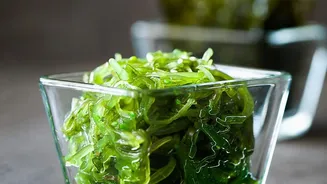
Enter seaweed, a group of marine algae that might just be the packaging material of the future. Unlike land-based crops used for some bioplastics, seaweed requires no freshwater, fertilisers, or pesticides to grow. It thrives along coastlines, growing incredibly fast while absorbing significant amounts of carbon dioxide from the ocean. The magic lies in natural polymers like agar and carrageenan, which can be extracted from seaweed and transformed into films, coatings, or even moulded containers that mimic plastic. The resulting material is not only biodegradable but often home-compostable, breaking down in weeks without leaving toxic residues. Some forms are even edible and safe for marine life if they end up back in the ocean.
The Innovators Driving the Change
While not yet a mainstream reality "across India," the green delivery revolution is being powered by a handful of pioneering startups. Pune-based Zerocircle, founded by Neha Jain, is a notable leader, creating fully biodegradable packaging from seaweed sourced from farming communities in Gujarat and Tamil Nadu. Their materials are being used for everything from flexible films to dissolvable sachets. Another key player is Sea6 Energy in Bengaluru, which is developing heat-resistant, compostable coatings for food packaging and exploring seaweed-based bioplastic straws and films. These companies are proving that sustainable, homegrown solutions are not just possible but are actively being developed to tackle the plastic crisis.
The Hurdles on the Road to Revolution
Despite its immense promise, algae-based packaging faces significant challenges. The most immediate barrier is cost. Currently, these materials can be substantially more expensive than their petroleum-based counterparts, making them a tough sell for small businesses operating on thin margins. Performance is another issue; while great for some applications, many current seaweed films struggle to hold hot, oily, or liquid-heavy Indian foods like curries without degrading. Furthermore, scaling up production is a major hurdle. India, despite its long coastline, has a nascent seaweed cultivation industry compared to global leaders. Expanding this industry sustainably, without over-harvesting, requires significant investment and infrastructure development.
What It Takes to Go Mainstream
For algae containers to move from a niche innovation to a daily reality, a concerted effort is needed. Stronger and more consistent enforcement of single-use plastic bans would create a larger, more urgent market for alternatives. Government support through schemes like the Pradhan Mantri Matsya Sampada Yojana can help scale up seaweed cultivation, providing a steady supply of raw materials and creating livelihoods for coastal communities. Investment in research is crucial to improve the performance and bring down the cost of these materials. Ultimately, consumer demand will be a powerful driver. As more people choose businesses that opt for sustainable packaging, the entire ecosystem will be incentivised to adapt, turning this green ripple into a revolutionary wave.