

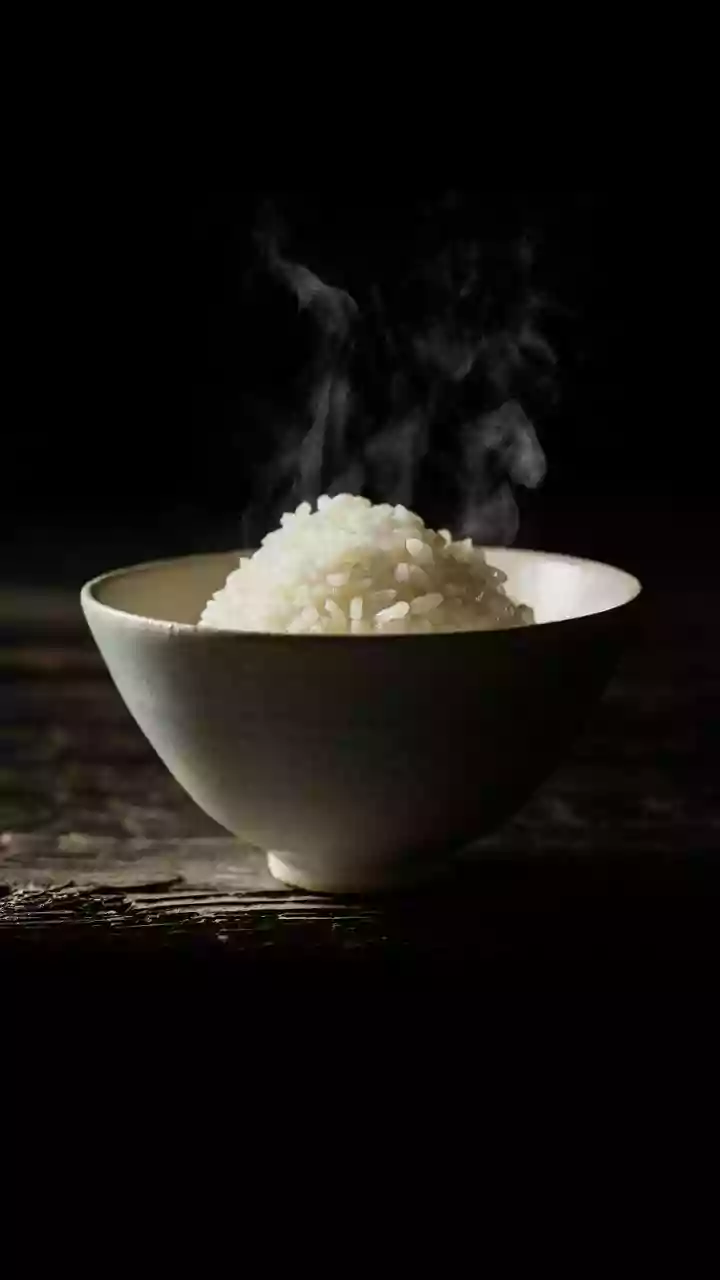



What is Fermented Rice Water?
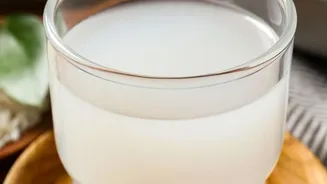
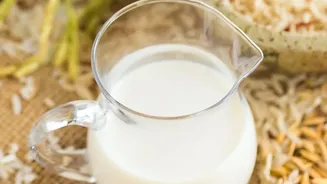
At its core, fermented rice water is simply the starchy liquid left over after soaking rice, which is then allowed to sit at room temperature for one to two days. During this time, naturally present microbes and yeasts begin to break down the starches
and proteins. This fermentation process creates a powerhouse of beneficial compounds. The practice has deep historical roots, famously used for centuries by the Yao women of Southern China, who are renowned for their exceptionally long, strong, and healthy hair. Fermentation makes the water slightly acidic, lowering its pH to a level that is closer to that of healthy hair and skin.
The Secret to Shinier, Stronger Hair
The hair benefits of fermented rice water are its biggest claim to fame. The fermentation process unlocks a wealth of nutrients that can be absorbed by the hair shaft. Key among these is inositol, a carbohydrate that penetrates and strengthens hair from within, reducing breakage. The process also creates amino acids, the building blocks of protein, which help fortify the hair's structure. Additionally, the liquid becomes rich in vitamins like B and E, which nourish the strands. When used as a rinse, the acidic pH of fermented rice water helps to flatten the hair's cuticles. This makes the hair appear smoother, increases shine, and reduces tangles. Users often report noticeable improvements in texture and reduced breakage after just a few treatments.
A Probiotic Boost for Your Gut
While less discussed than its hair benefits, fermented rice water is also a traditional remedy for digestive health in many Asian cultures. Known as 'Neeragaram' or 'Kanji' in parts of India, it is consumed as a natural probiotic drink. The fermentation encourages the growth of beneficial bacteria, such as Lactobacillus, which is a key component of a healthy gut microbiome. These probiotics can help support digestion and maintain a balanced internal ecosystem. The drink is a source of prebiotics (food for good bacteria) and postbiotics (beneficial compounds created by the bacteria), which contribute to gut health. Consuming it on an empty stomach is often recommended for maximum benefit.
How to Make It at Home
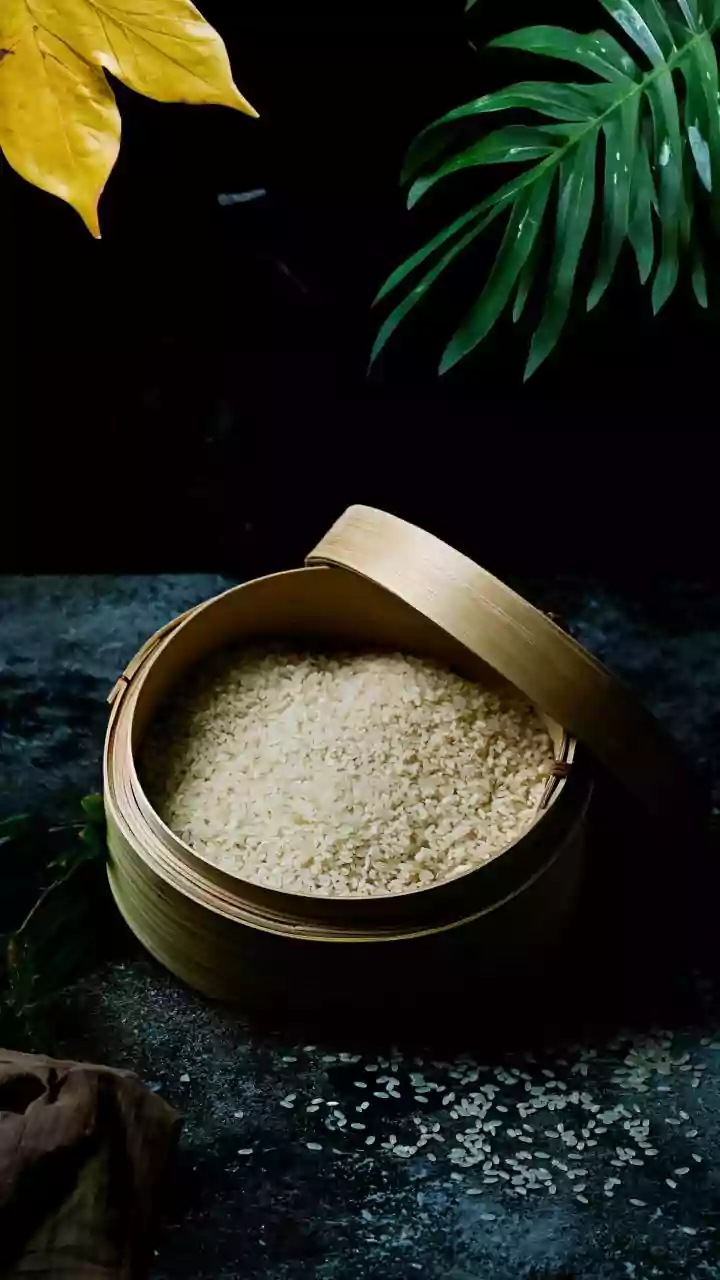
Creating your own fermented rice water is surprisingly simple and cost-effective. Start with about half a cup of any type of uncooked rice. Rinse it thoroughly to remove any impurities. Next, place the rinsed rice in a clean jar with about two to three cups of water. Let it soak at room temperature for at least 30 minutes, or up to a few hours, until the water becomes cloudy. Strain the liquid into a new, clean jar. To ferment it, cover the jar loosely and leave it at room temperature for 24 to 48 hours. The fermentation is complete when it develops a slightly sour smell. At this point, you can seal the jar and store it in the refrigerator to stop the fermentation process.
How to Use Your Remedy
For hair, it's best to use fermented rice water as a rinse after shampooing. Because it is potent, you should dilute it with an equal part of plain water. Pour the diluted mixture over your hair, making sure to massage it into your scalp and through the lengths of your hair. Let it sit for about 20 minutes before rinsing thoroughly with warm water. For gut health, you can drink a small amount, such as half a cup, of the fermented liquid. It's typically consumed in the morning. As with any new supplement, it's wise to start with a small quantity to see how your body responds.
Are There Any Risks?
While generally safe, there are a few things to keep in mind. For hair, fermented rice water is rich in protein, and overuse can lead to 'protein overload' for certain hair types, particularly low-porosity hair. This can make the hair feel stiff and brittle, so it's best to use the treatment moderately, perhaps once a week. The fermentation process also produces a pungent odor, which some people find unpleasant. When consuming the water for gut health, hygiene is crucial during preparation to avoid the growth of harmful bacteria. Always use clean jars and filtered water.