






The Science of Staying Cool
A cool roof is designed to do two things exceptionally well: reflect more sunlight and absorb less heat than a standard roof. Traditional roofs, often dark in colour, can reach scorching temperatures under the sun, transferring that heat directly into
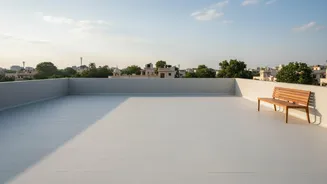
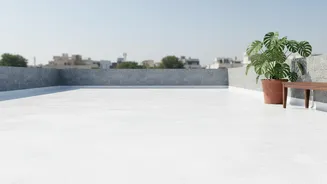
your home. Cool roofs use materials with high solar reflectance (also called albedo) to bounce a significant portion of sunlight back into the atmosphere. They also have high thermal emittance, meaning they can efficiently release what little heat they do absorb. The combination of these two properties is measured by the Solar Reflectance Index (SRI), and a higher SRI value means a cooler surface. This simple science is the key to reducing the heat that penetrates top-floor apartments.
Dropping the Temperature: Fact or Fiction?
The headline claim of a four-degree drop is not just a hopeful estimate; it's a widely reported outcome in many studies. Depending on the specific material, location, and conditions, cool roofs can lower indoor temperatures by 2°C to 5°C. A study in Hyderabad, for instance, found that homes with cool roofs were, on average, 2°C cooler inside. Other studies in India and abroad support these findings, showing indoor temperature reductions ranging from 1.2°C to 3.3°C. In some cases, with high-performance coatings, indoor temperatures can be lowered by as much as 5-7°C. While a four-degree Celsius drop is achievable, the exact reduction depends on factors like your building's insulation, the specific technology used, and the intensity of the sun.
Your Cool-Roof Options
There isn't a one-size-fits-all solution; several types of cool-roof technologies are available in India to suit different needs and budgets. The most accessible option is reflective paints or coatings, which can be applied directly to an existing terrace. These specialised paints contain pigments engineered to reflect infrared radiation, the part of sunlight that generates heat. For a more permanent solution, options include white or light-coloured tiles, metal roofing with reflective factory coatings, or single-ply membranes made from reflective materials like TPO and PVC. Even traditional and natural materials like clay tiles, which are naturally cooler, are effective. In India, cost-effective options like a simple lime wash are also used to provide similar benefits.
More Than Just Comfort
The benefits of a cooler home extend far beyond personal comfort. A significant advantage is the reduction in energy consumption. By lowering indoor temperatures, cool roofs decrease the reliance on air conditioning, which can lead to energy savings of 7% to 15% on cooling costs. This translates directly to lower electricity bills, offering a tangible return on investment. On a larger scale, widespread adoption helps combat the urban heat island effect, where cities are significantly warmer than surrounding rural areas. By reflecting sunlight, cool roofs lower ambient temperatures, which can even improve local air quality by slowing the formation of smog.
Is It Right for Your Home?
Cool-roof technology is most effective in hot and sunny climates, making it perfectly suited for most of India. The greatest benefits are seen in buildings with top floors directly exposed to sunlight, poor insulation, and high cooling demands. Cities like Hyderabad and Ahmedabad have already launched successful cool-roof initiatives, demonstrating their viability in the Indian context. Telangana has even become the first state to launch a comprehensive cool-roof policy, mandating their use in certain new constructions. When considering a cool roof, it's important to think about maintenance, as dust and dirt can reduce reflectivity over time, requiring periodic cleaning to maintain peak performance.