


Why Go Rustic in Jibhi?
Choosing a campsite over a conventional resort in Jibhi isn’t about sacrificing comfort; it's about upgrading your experience. Commercial hotels, with their standardised rooms and buffet breakfasts, can often insulate you from the very environment you came
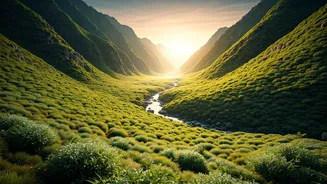
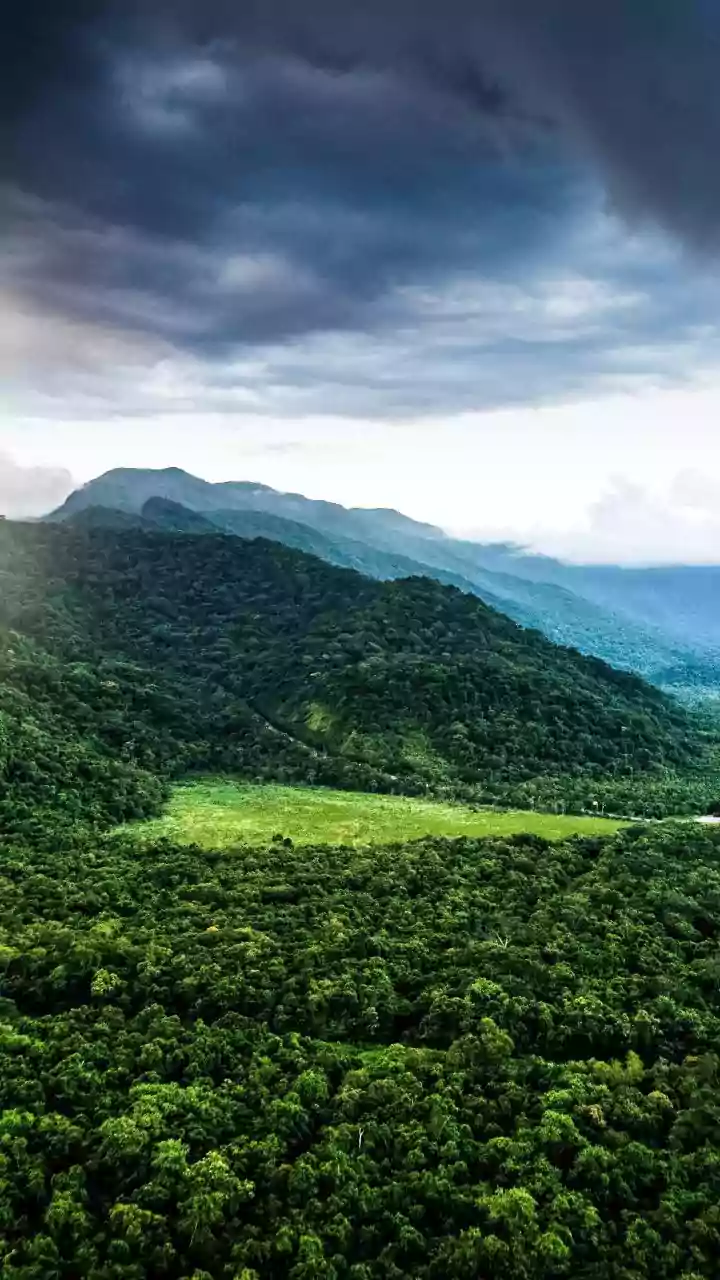
to enjoy. They create a predictable bubble that could be anywhere in the world. A campsite, on the other hand, immerses you in the destination. It’s the difference between watching a nature documentary and actually being in the forest. You wake up to the sound of a gushing river, not an alarm clock. Your view isn't a manicured lawn but a sprawling valley of deodar and pine trees. It’s a more direct, unfiltered connection to the mountains, offering a sense of peace and authenticity that luxury resorts simply cannot replicate. Plus, it’s often a more sustainable and budget-friendly way to travel, supporting local communities directly.
Riverside Camps: Nature’s Lullaby
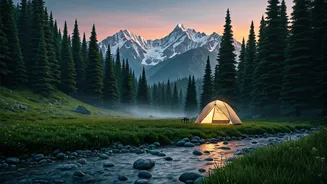
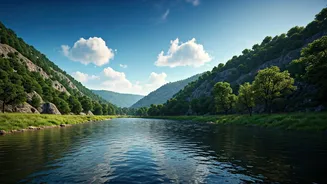
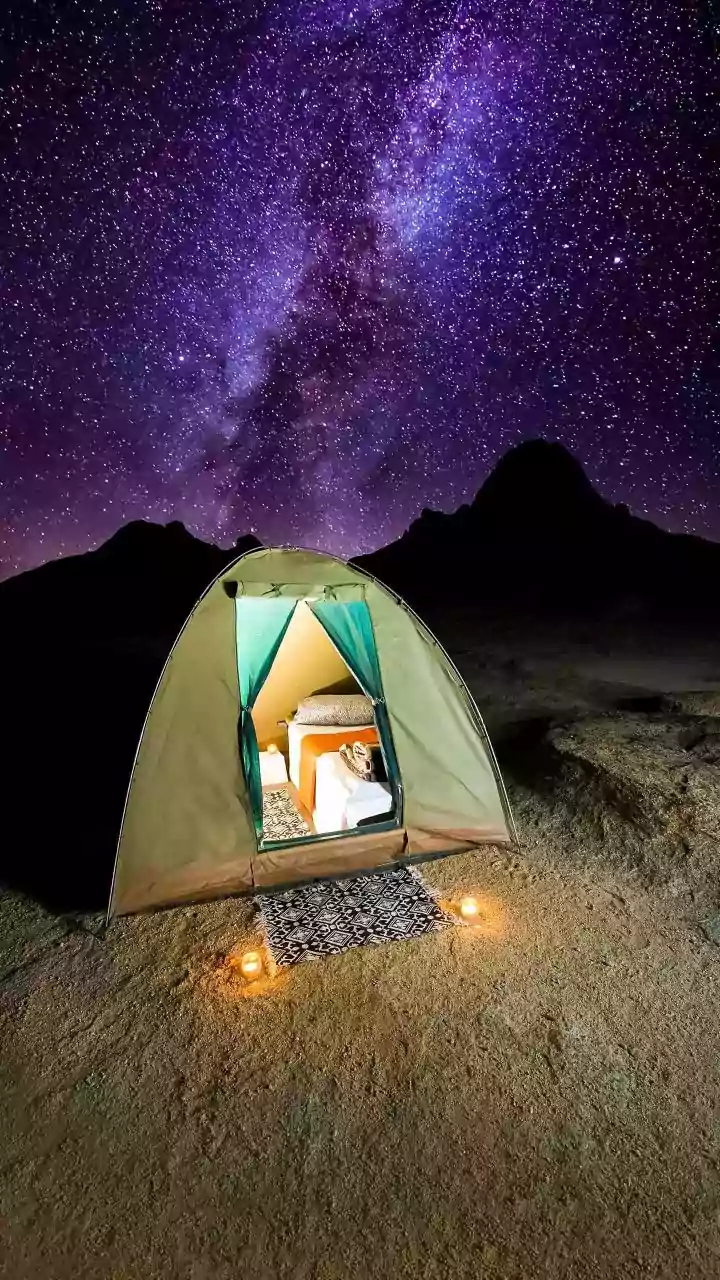
Imagine unzipping your tent to the sight of the Tirthan River or one of its tributaries flowing just a few feet away. This is the quintessential Jibhi camping experience. Numerous hidden spots along the riverbanks are home to small, eco-friendly campsites. These are not large-scale operations but intimate setups, often run by local families. The constant, soothing sound of flowing water is your background score. Evenings are for bonfires, storytelling, and stargazing, with the clear Himalayan sky offering a spectacular show. Mornings invite you for a frigid but refreshing dip in the crystal-clear water or a quiet hour of angling for trout. These sites offer the perfect balance of raw nature and basic amenities, providing a comfortable stay without disconnecting you from the wild.
Orchard Stays: Amidst Apples and Apricots
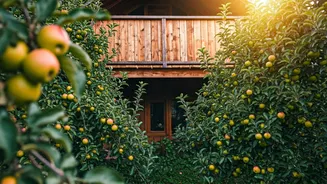
For a truly unique Himachali experience, look for campsites nestled within private apple or apricot orchards. Many local farmers in and around Jibhi have opened up their lands to campers, offering a peaceful retreat surrounded by fruit-laden trees. Depending on the season you visit, you could be waking up to a valley of white and pink blossoms (spring) or the sight of ripening fruit (summer and autumn). These stays are incredibly serene and provide a fascinating glimpse into the local agricultural life. You can interact with the host families, learn about apple cultivation, and savour fresh, farm-to-table meals. It’s an agritourism experience that feels both personal and deeply rooted in the local culture, a far cry from the anonymous service of a large hotel.
Forest Hideaways: Deep in Deodar Country
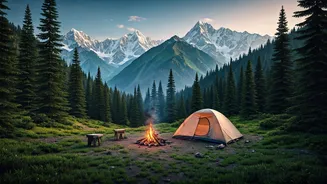
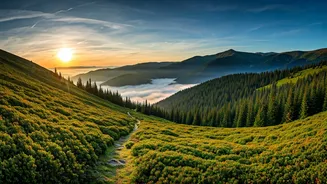
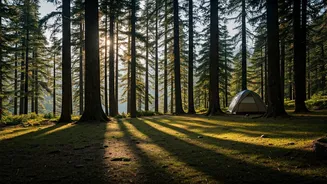
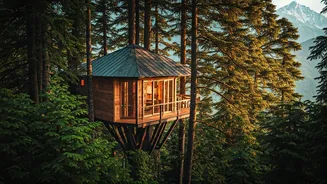
If your goal is to truly disconnect, seek out the campsites tucked away deeper in the forests surrounding Jibhi. A short trek away from the main road can lead you to secluded clearings under canopies of towering deodar trees. These are for the more adventurous traveller who prioritises solitude above all else. Here, the only sounds you'll hear are birdsong and the rustling of leaves. Mobile network is often patchy at best, forcing you into a much-needed digital detox. These forest camps are the starting point for numerous treks, including the paths to Serolsar Lake or the Chehni Kothi fort. Staying here means you’re already halfway to your adventure the moment you step out of your tent. It's a humbling, grounding experience that puts you face-to-face with the grandeur of the Himalayas.
Finding Your Perfect Spot
The best 'hidden' campsites are often found not on major booking portals, but through word-of-mouth or by exploring the smaller roads branching off from the main Jibhi-Banjar route. Look for signboards for 'eco-camps' or 'homestays'. Don’t hesitate to ask locals for recommendations; they often know the best, most peaceful spots that haven't yet made it to Instagram. When booking, ask about the camp’s capacity—smaller is usually better for a quiet experience. Inquire about their waste management practices to ensure you’re supporting responsible tourism. While spontaneity is great, it’s wise to book your spot in advance, especially during peak seasons, as these small sites have limited capacity.