
What Exactly Is Paneer Ghotala?
Paneer Ghotala is a popular street food dish that originates from Surat, Gujarat. The name itself offers a clue to its character; 'Ghotala' translates to something of a 'mess' or 'scam', which playfully describes the dish's mashed-up, heterogeneous texture.
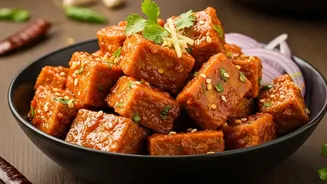
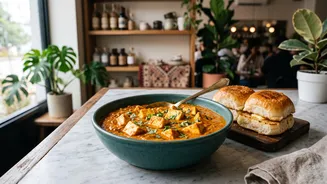
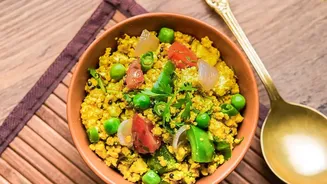
It is the vegetarian answer to the famous 'Anda Ghotala' (egg ghotala). Unlike a standard paneer bhurji, Ghotala has a more gravy-like consistency and a unique flavour profile, often featuring pav bhaji masala, butter, and sometimes cheese, creating a richer, more indulgent experience. The paneer is typically grated, not just crumbled, which helps it blend seamlessly into the spicy tomato-onion base.
Assembling Your Ingredients
To create this street food classic, you will need a few key components. The star is, of course, paneer—about 200-250 grams is a good start. For the best texture, use fresh, soft malai paneer and grate it using the larger holes of a grater. For the masala base, you'll need finely chopped onions (about 1-2 medium), finely chopped or grated tomatoes (2 medium), ginger-garlic paste (1-2 teaspoons), and green chillies to taste. The spice blend is crucial: gather red chilli powder, turmeric powder, coriander powder, and garam masala. For that authentic street-style flavour, pav bhaji masala is a highly recommended addition. Finally, don't forget butter (a generous amount!), a little oil for cooking, and fresh coriander for garnish. For an even richer dish, have some grated processed cheese and fresh cream ready.
Step-by-Step Cooking Guide
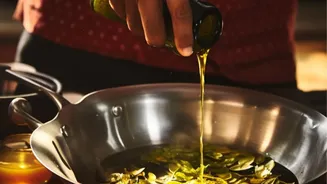
Begin by heating oil and a dollop of butter in a pan or kadhai. Add cumin seeds if you like, followed by the ginger-garlic paste and chopped green chillies, and sauté for a minute until fragrant. Next, add the finely chopped onions and cook until they turn soft and golden brown. Now, it’s time for the tomatoes. Add them to the pan along with salt, which helps them cook down faster. Cook until the tomatoes become mushy and the oil starts to separate from the masala. At this stage, add your powdered spices: turmeric, red chilli powder, coriander powder, and any special additions like pav bhaji masala. Stir and cook for another minute. Some recipes also call for finely chopped capsicum, added along with the tomatoes.
Achieving the 'Ghotala' Texture
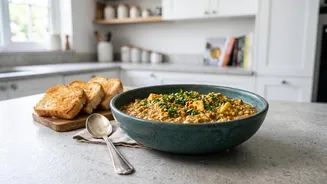
Once your base masala is ready, it's time to create the signature 'ghotala'. Add the grated paneer to the pan and mix it thoroughly with the masala. This is where the magic happens. Using a potato masher, gently mash the mixture directly in the pan. The goal is to break down the paneer slightly and integrate it into the gravy, not to turn it into a complete paste. This mashing process is what gives the dish its name. Add a splash of water or milk to adjust the consistency to your liking—it should be a thick, scoopable gravy, not dry. Let it simmer for a few minutes, allowing the paneer to absorb all the flavours. Do not overcook, as this can make the paneer rubbery.
Finishing Touches and Serving Suggestions
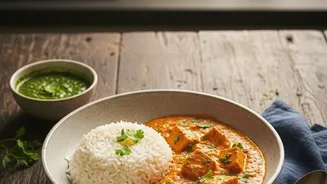
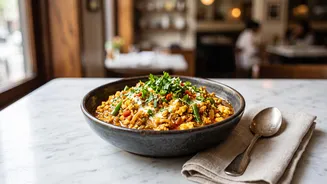
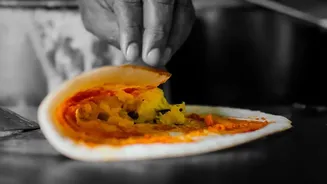
For the grand finale, stir in another knob of butter, fresh cream (if using), and a handful of freshly chopped coriander leaves. If you love cheese, now is the time to fold in a generous amount of grated processed cheese until it melts into the gravy. Give it one final mix, and your Paneer Ghotala is ready. The classic and most authentic way to serve Paneer Ghotala is with hot, buttered pav. To make masala pav, simply toast the pav on a tawa with a bit of butter, a pinch of red chilli powder, and a sprinkle of coriander. This dish also pairs wonderfully with roti, naan, or even as a filling for dosas and sandwiches, making it a truly versatile delight.