


The Magic of Cashew Paste
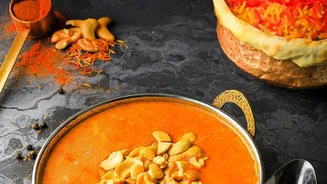
Cashew paste is the secret behind many restaurant-style gravies, lending a thick, creamy texture and a subtle richness without overpowering the dish. To make it, simply soak raw cashews in hot water for at least 15-30 minutes until they soften. Drain
them and blend with a little fresh water until you have a completely smooth, luscious paste. This neutral-flavored cream is a fantastic substitute for dairy cream in Mughlai dishes, kormas, and butter chicken-style sauces. Its versatility and ability to create a silky base make it a go-to for many chefs and home cooks seeking a dairy-free solution.
Classic Coconut Milk
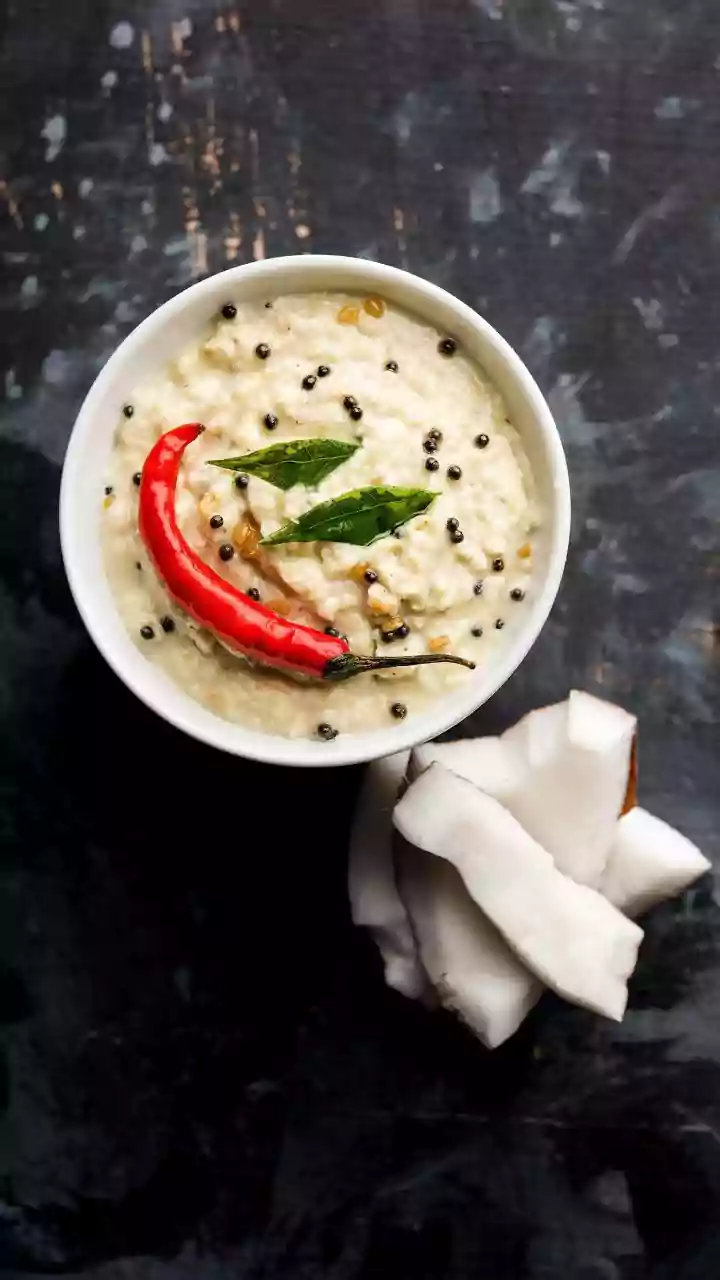
Coconut milk is a traditional and widely used ingredient for adding creaminess, especially in South Indian and coastal cuisines like those from Kerala and Bengal. It imparts a distinct, slightly sweet, and tropical flavor that pairs beautifully with spicy and tangy notes. For the richest texture, opt for full-fat coconut milk or even coconut cream. Add it towards the end of the cooking process and allow it to simmer gently without boiling vigorously, which can cause it to split. Shaking the can well before opening is crucial, as the thick cream often separates and rises to the top.
Almond Paste for a Silky Sheen
Similar to cashews, almonds can be transformed into a rich paste that thickens gravies beautifully. For the smoothest result, it's best to use blanched almonds (with the skins removed). You can buy them blanched or do it yourself by soaking raw almonds in hot water until the skins slip off easily. Like with cashews, soak the blanched almonds and then grind them into a fine paste with a bit of water. Almond paste offers a delicate, nutty flavor and is another excellent addition to rich, celebratory curries.
Poppy and Melon Seed Pastes
For a more traditional approach, consider white poppy seeds (khus khus or posto) or melon seeds (magaz). Poppy seed paste is a staple in Bengali cuisine and is also used in North Indian dishes to add body and a unique, nutty flavor. The seeds must be soaked and then ground into a very fine paste, which can take some time but is well worth the effort. Melon seed paste is a fantastic nut-free alternative that acts as a powerful, flavor-neutral thickener. It’s often used in combination with cashew paste in restaurant kitchens to create a flawlessly smooth and rich gravy base.
The Humble Onion and Tomato Base
Never underestimate the power of a well-cooked onion and tomato base. While not a direct substitute for cream, the technique of slowly caramelizing finely chopped or pureed onions until they are deeply browned and sweet creates a naturally thick and flavorful foundation for any curry. When blended with tomatoes and cooked down until the oil separates, this mixture forms a rich, luscious gravy all on its own. This 'bhuna' technique is the backbone of countless Indian dishes and provides a depth of flavor that cream alone cannot replicate.
Other Creative Thickeners
Beyond nuts and seeds, other ingredients can also help. A tablespoon of puréed pumpkin or sweet potato can add body and a hint of sweetness. Some cooks use ground lentils or even a slurry made from rice flour or cornstarch mixed with cold water to thicken a gravy at the end of cooking. Plant-based yogurts made from soy or coconut can also be used, particularly in marinades or to add a slight tang, but it's important to choose an unsweetened, neutral-flavored option to avoid altering the taste of your curry.