






From Itinerary to Intention
So, what exactly is ‘slow travel’? At its core, it’s a mindset that prioritises depth over distance. Instead of a frantic race to tick off five cities in seven days, it’s about choosing one place and getting to know it intimately. This approach swaps
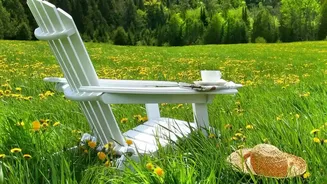
the stress of a rigid schedule for the freedom of spontaneity. It means lingering over a cup of chai at a local stall, wandering through a neighbourhood without a map, or spending an entire afternoon reading by a lake. The goal is no longer to collect photos of landmarks, but to build a genuine connection with a place, its culture, and its people. It stems from the broader 'slow living' philosophy, which champions quality and mindfulness over speed and quantity in all aspects of life.
A Remedy for Modern Burnout
One of the biggest drivers of this trend is a widespread feeling of burnout. Daily life for many young Indians is a constant juggle of deadlines, notifications, and social pressures. The last thing they want is a vacation that feels like another high-pressure project. A 2024 Deloitte survey found that 70% of Indian Gen Z reported feeling exhausted. Slow travel offers a direct antidote. By eliminating the rush, it provides the mental space to truly unwind and disconnect. Recent reports show a significant number of young Indian travellers are explicitly seeking trips for “mental unwind” and rest. In fact, for many, the plan is to have no plan at all, creating a restorative experience that a fast-paced tour simply cannot offer.
The Search for Deeper Connection
While social media has been blamed for promoting checklist-style tourism, it is also enabling a different kind of travel. Younger generations are using platforms like Instagram and TikTok to find authentic, off-the-beaten-path experiences rather than just famous monuments. Slow travel aligns perfectly with this desire for authenticity. By staying in one place longer, travellers can move beyond the curated tourist bubble and engage with the local community. This might mean learning a local craft, sharing meals with a host family, or simply shopping at the neighbourhood market. These genuine interactions and unexpected discoveries often become the most cherished memories of a trip, fostering a sense of belonging that a fleeting visit can't provide.
Making Travel More Accessible and Sustainable
Interestingly, travelling slowly can also be a more budget-friendly approach. While a longer trip might seem more expensive upfront, the per-day cost often drops significantly. Staying in one location reduces hefty transportation costs between cities. It also opens the door to more affordable accommodation like homestays or rental apartments with kitchens, saving money on dining out for every meal. Furthermore, there's a growing awareness around the environmental impact of travel. Slow travel is inherently more sustainable; it encourages fewer flights and supports local, family-owned businesses instead of large international chains, ensuring tourism dollars benefit the community directly.
What Slow Travel Looks Like in India
The trend is already taking firm root across India. Instead of a quick weekend dash to the hills, young travellers are opting for a week-long workation from a quiet cottage in Himachal or Uttarakhand. They are choosing to spend a full week exploring the French Quarter and surrounding villages of Puducherry on foot, rather than just a day trip. In Rajasthan, it’s about staying in a single haveli and taking the time to learn about its history, not just racing between forts. And in Kerala, it means forgoing a short houseboat ride for a longer stay in the backwaters, observing the rhythm of local life. These experiences are less about the perfect photo and more about creating a lasting, personal story.