
The Problem with Popularity
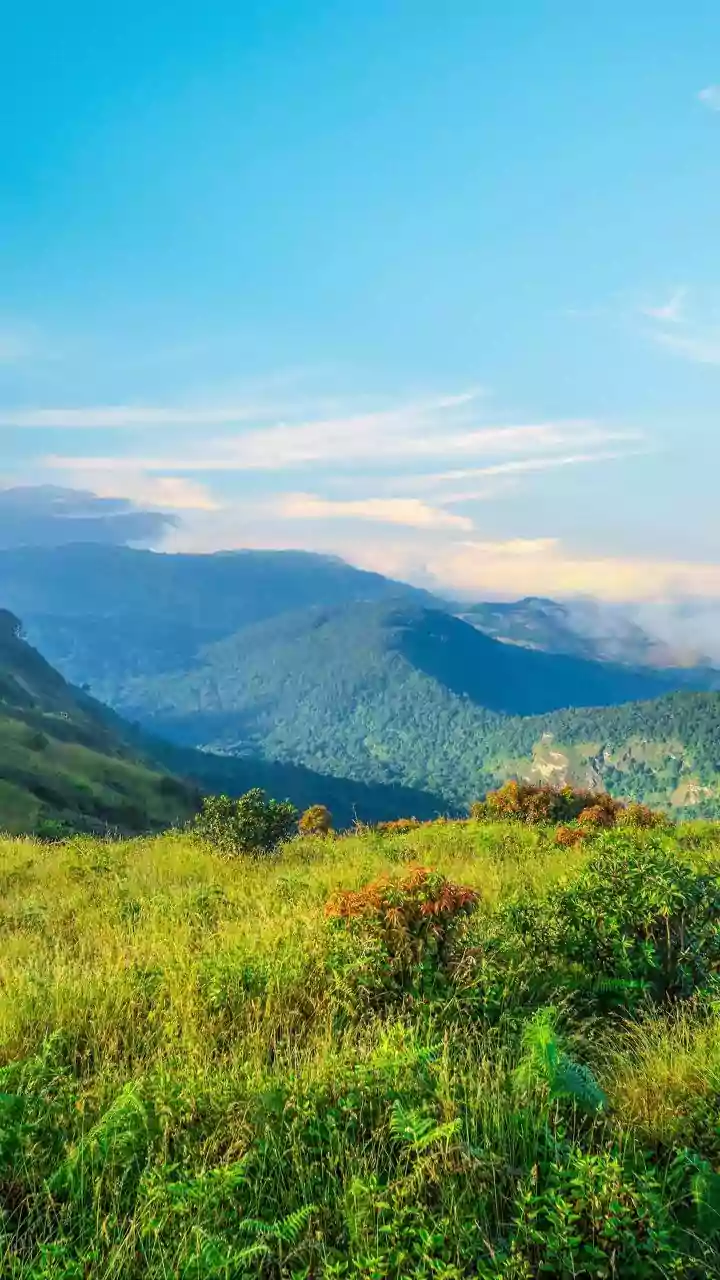
Iconic destinations across India, from Shimla to Goa, are grappling with the pressures of overtourism, and the Western Ghats are no exception. The very features that make places like Munnar, Coorg, and Ooty famous—their stunning vistas, waterfalls, and rich
biodiversity—are threatened by the sheer volume of visitors. Unchecked tourism leads to predictable problems: increased pollution, traffic congestion, strain on local resources like water, and the degradation of fragile habitats. Unregulated construction of hotels and resorts, often on ecologically sensitive slopes, can exacerbate soil erosion and increase risks of landslides, as seen in regions like Wayanad and Idukki. This cycle of loving a place to its detriment puts the soul of the Western Ghats at risk, turning vibrant ecosystems into stressed tourist hubs.
The Science of Spreading Out
The solution isn't to stop travelling, but to travel smarter. The concept of 'carrying capacity'—the maximum number of people an environment can sustain without negative effects—is key. When tourist traffic is concentrated in a few hotspots, the carrying capacity is quickly exceeded. Exploring lesser-known routes helps distribute this pressure. By diverting traffic from overburdened areas, we give these ecosystems time to recover. It reduces the footprint on any single location, from soil compaction on trails to waste generation. Choosing a state highway instead of a packed national highway, or visiting a smaller, less-famous waterfall, disperses the economic benefits of tourism to a wider range of local communities who might otherwise be left out. This shift from a high-volume, low-impact model to a more distributed approach is a cornerstone of sustainable tourism.
Beyond the Selfie Point: The Joy of Slow Travel
The benefits of seeking hidden routes are not just ecological; they are deeply personal. This approach is a form of 'slow travel', a movement that prioritises connection over checklists. Instead of rushing between famous viewpoints, a slow road trip allows for genuine immersion. The mind gets a chance to reset away from the crowds, swapping the stress of queues for the serenity of an empty country road. Studies show that spending quality time in nature can reduce anxiety and improve cognitive function. This kind of travel fosters authentic experiences: discovering a local eatery in a small village, stopping to appreciate a view that isn't on Instagram, and connecting with the culture of the region on a deeper level. It replaces the frantic energy of mass tourism with a more mindful, restorative, and memorable journey.
Your Guide to the Road Less Travelled
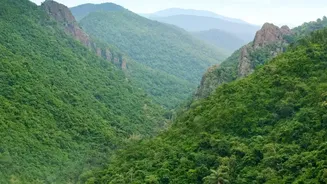
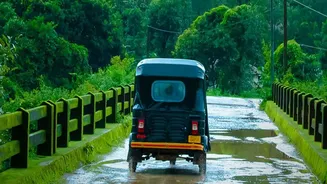
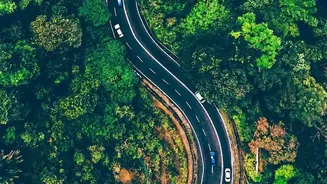
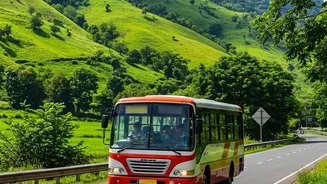
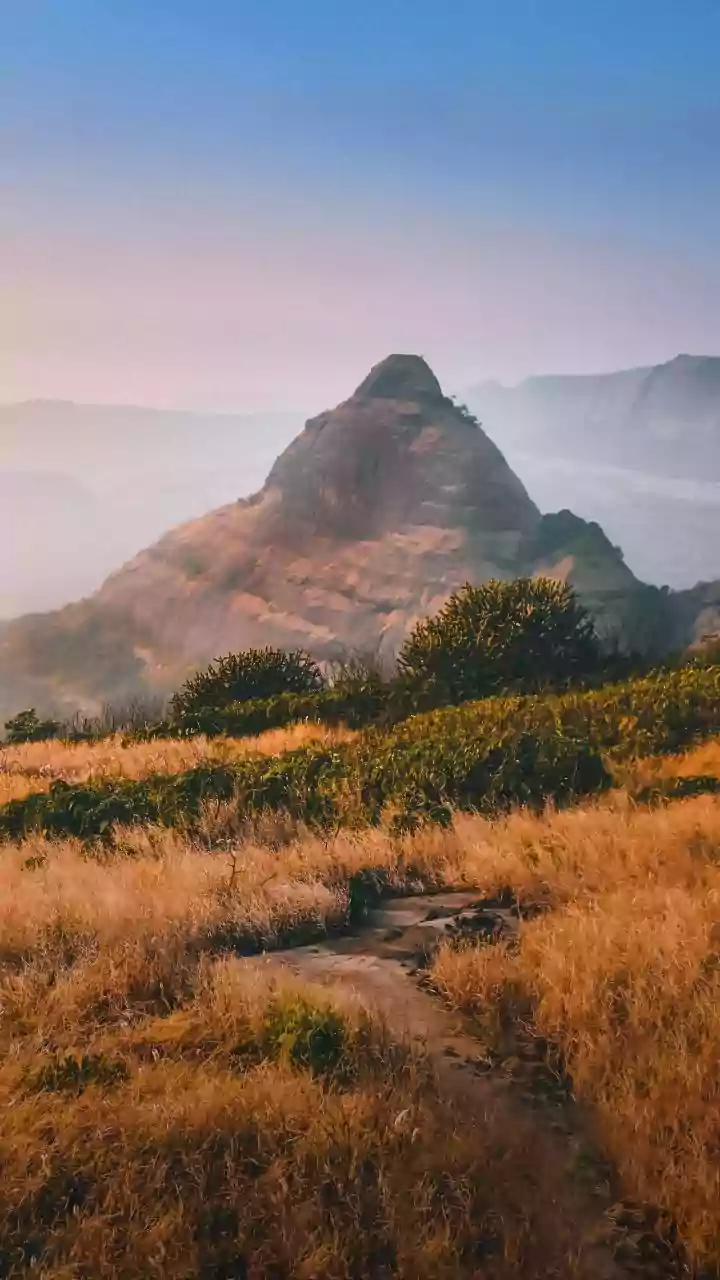
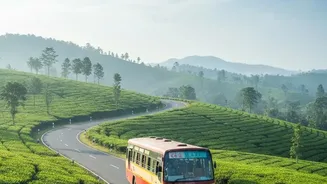
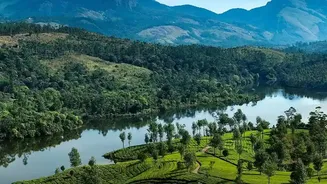
Finding these hidden routes doesn't require a secret map. It requires a shift in mindset. Instead of aiming for the most famous hill station, look for routes that connect smaller towns. Explore the areas around, but not directly in, popular hubs like Chikmagalur or Coorg. Look for state highways and district roads that wind through coffee estates, spice plantations, and forest reserves like those in the Malnad region or the quieter parts of the Annamalai hills. Routes like the Charmadi Ghat, which connects the Dakshina Kannada and Chikkamagalur districts, offer stunning scenery without the infrastructure of a major tourist circuit. The key is to be curious. Plan a journey with room for spontaneity, allowing you to follow a small sign to a forgotten temple or a scenic reservoir. Your best tool is often a detailed map and a willingness to wander.
How to Travel with Purpose
Once you're on that quieter road, travelling responsibly is paramount. Follow the 'Leave No Trace' principles: pack out everything you pack in, and dispose of waste properly. Avoid single-use plastics by carrying reusable water bottles and containers. When you stop, stay on durable surfaces like rock or established paths to avoid harming fragile vegetation. Support the local economy by staying in locally-owned homestays or eco-lodges and hiring local guides. Be respectful of wildlife by observing from a distance and never feeding animals. These simple, conscious choices ensure that your journey not only refreshes your own mind but also leaves the beautiful landscapes of the Western Ghats pristine for generations to come.