





The Desert in Bloom: Rajasthan
When you think of Rajasthan, you might picture a parched desert, but the monsoon transforms it. Destinations like Udaipur, Jaipur, and Mount Abu receive relatively low rainfall compared to other parts of India, making them safer from floods. [16, 28]
The arid landscape soaks up the rain, turning brown hills into lush green vistas and refilling the magnificent lakes that cities like Udaipur are famous for. [23] This transformation offers a unique and crowd-free experience. [11] Instead of landslides and torrential downpours, you get washed-clean monuments, cooler temperatures, and the romantic sight of rain falling on ancient forts. [29] While here, you can explore palaces and markets without the peak season rush and enjoy off-season discounts. [23] Just remember to pack for humidity and be prepared for occasional short showers. [23]
The Rain-Shadow Retreat: Tamil Nadu
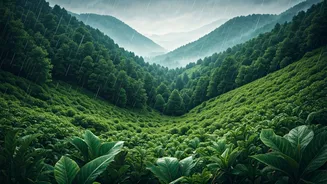
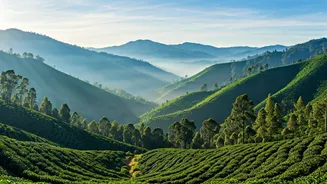
For those wanting to dodge the main thrust of the Southwest monsoon (June-September), Tamil Nadu is an excellent choice. Much of the state lies in a rain-shadow region, meaning the Western Ghats block the majority of the heavy rain-bearing clouds. [24, 30] As a result, it receives significantly less rainfall during these months compared to neighbouring Kerala. [37] Its primary rainy season is the Northeast monsoon, which arrives later in the year (October-December). [15, 30] This makes destinations like Kodaikanal, Coonoor, and the coastal plains relatively dry and pleasant for travel between June and September. [31, 38] You can explore serene hill stations, ancient temples, and vibrant cities without the constant downpour that characterizes monsoon in other regions. [38] It's a perfect blend of comfortable weather and verdant landscapes. [24]
The Heart of India: Madhya Pradesh
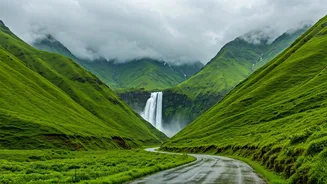
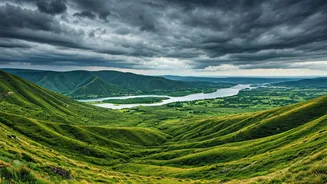
Madhya Pradesh, the "Heart of India," offers a compelling and safer monsoon experience. Its topography, dominated by plains and plateaus rather than steep mountains, makes it significantly less prone to major landslides. [12, 33] During the rains, the state's hot climate mellows, becoming pleasant and inviting. [33, 34] The landscape bursts into vibrant shades of green, and waterfalls like those near Pachmarhi are at their most spectacular. [35] Historic towns such such as Orchha and Mandu take on a magical quality, with ancient ruins looking even more dramatic against cloudy skies and reflected in the brimming Betwa River. [18, 22] Since this is considered the off-peak season, you can enjoy these sights with fewer crowds and at a more relaxed pace, making it an ideal choice for a tranquil and scenic rainy season getaway. [12]
The French Riviera of the East: Puducherry
Like its neighbour Tamil Nadu, Puducherry largely escapes the heavy southwest monsoon. [15] Its main rainy season is the northeast monsoon from October to December. [15] Between July and September, the weather is a mix of occasional showers and sunshine, with a pleasant breeze making it ideal for exploration. [14, 21] The town’s French Quarter, with its colonial villas and tree-lined boulevards, is particularly charming after a fresh spell of rain. The temperature is moderate, and the humidity, while present, is manageable. [21] You can enjoy leisurely strolls along the Promenade Beach, explore the Aurobindo Ashram, and relax in quaint cafes. [14] The reduced tourist traffic during this period means a more peaceful and authentic experience of this unique coastal town. [21]
A Word on High-Rainfall Regions
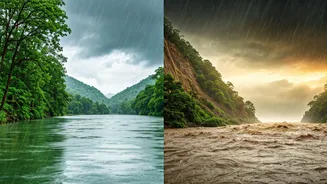
Destinations like Kerala, the Western Ghats in Karnataka, and Meghalaya are famous for their intense monsoons. While stunningly beautiful, they come with higher risks. These areas experience some of the heaviest rainfall in the country, which can lead to landslides, road blockages, and localized flooding. [18, 25] While places like Munnar in Kerala and Coorg in Karnataka are breathtakingly green, travel requires caution and flexibility. [26, 28] Similarly, Cherrapunji in Meghalaya offers a unique experience for true rain lovers but demands careful planning. [22] If you choose these destinations, always check local weather advisories before and during your trip, have buffer days in your itinerary, and stick to main roads. The key is to be prepared for the weather's unpredictability to ensure your safety.