




The Kitchen Secret to Better Blooms
Walk through any online gardening forum or social media group, and you'll find countless home gardeners sharing their secrets. One tip that surfaces repeatedly, especially among those with limited space like balcony gardeners, is the use of rice water.
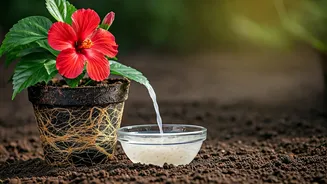
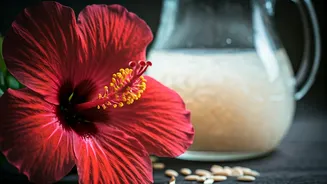
The idea is simple: instead of pouring the starchy water from rinsing uncooked rice down the drain, you save it, dilute it, and use it to water your plants. Proponents claim it encourages healthier foliage and more abundant flowers, turning a common kitchen byproduct into a free, natural plant tonic.
Why Does Rice Water Work?
The logic behind this gardening hack is rooted in the composition of the water itself. When you rinse rice, you're washing away excess surface starch. This starchy water, known in many cultures as 'kanji,' isn't just empty calories. It contains small but beneficial traces of nutrients that the rice grains release, including minerals like nitrogen, phosphorus, and potassium (the 'NPK' you see on commercial fertilizers). It also contains B vitamins and other micronutrients. The starch itself can also feed beneficial microbes in the soil, which in turn help make nutrients more available to the plant's roots. Think of it not as a powerful fertilizer, but as a mild, gentle supplement that supports overall soil health.
How to Prepare Your Rice Water
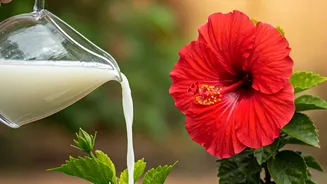
Making your own plant-friendly rice water is incredibly easy. The key is to use the water from rinsing *uncooked* rice. The water left after boiling cooked rice is often too starchy and can create a thick film on the soil. 1. **Rinse:** Take your desired amount of uncooked rice and place it in a bowl. 2. **Wash:** Cover it with water and swish the grains around with your fingers for about a minute. You’ll see the water turn milky white. 3. **Strain:** Pour this cloudy water into a separate jar or container. Crucially, make sure you haven't added any salt, oil, or other seasonings to the rice. 4. **Dilute:** This is the most important step for balcony gardeners. Undiluted rice water can sometimes be too starchy, potentially attracting pests or creating a hard crust on the soil surface. The general rule of thumb is to dilute it with an equal amount of plain water (a 1:1 ratio). This makes it easier for the soil to absorb and reduces any potential risks.
Best Practices for Application
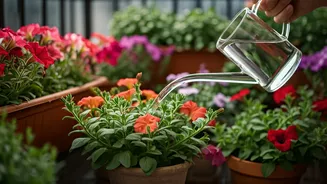
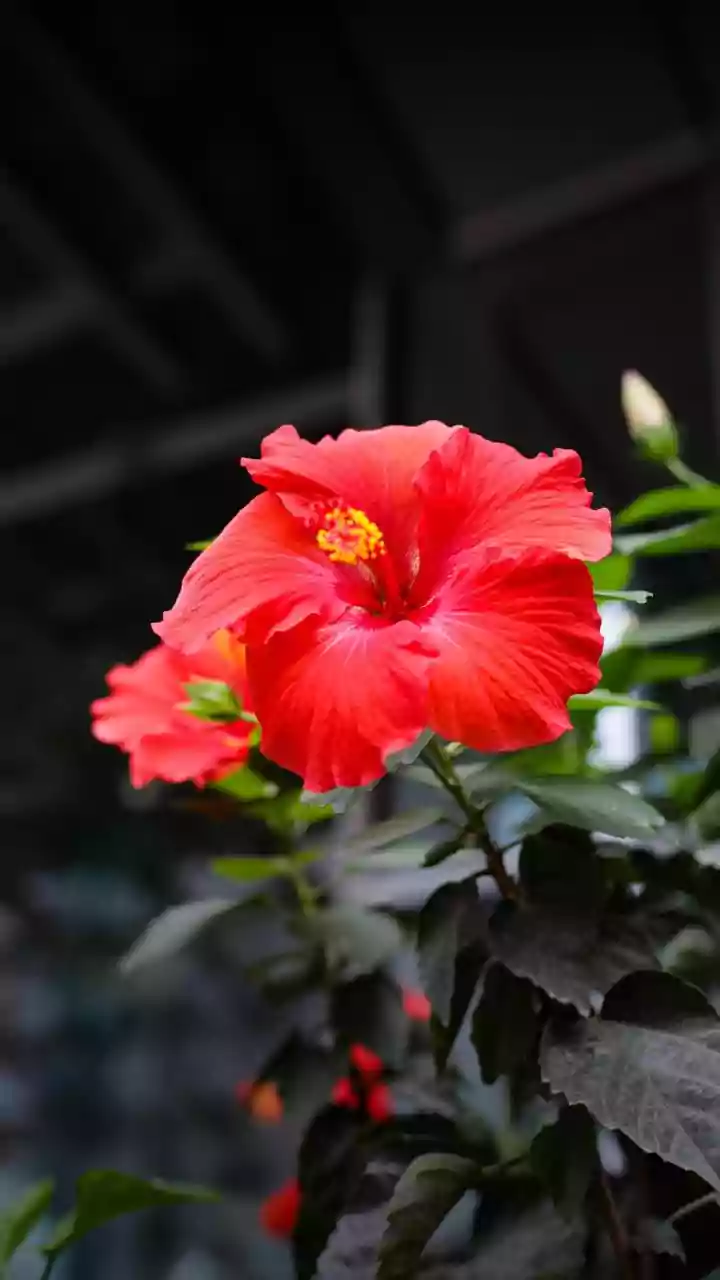
Once you have your diluted rice water, using it is straightforward. Use it to water your plants just as you would with regular water. It’s particularly beneficial for flowering plants like hibiscus, roses, bougainvillea, and jasmine, as well as common vegetable plants grown in pots. However, avoid using it as a complete replacement for regular watering. A good routine is to apply the diluted rice water once every one to two weeks during the growing season. This provides a consistent, gentle feed without overwhelming the plants. Always monitor your plants’ response; if the soil seems to be getting soggy or mouldy, reduce the frequency.
A Few Words of Caution
While rice water is generally safe and beneficial, there are a few potential downsides to keep in mind. Fermented rice water, which some advocate for, can have a strong, sour smell that might not be ideal for a small balcony. Storing rice water for more than a day or two can also lead to fermentation and unpleasant odours. Furthermore, the starchy residue, even when diluted, can occasionally attract gnats or other small pests. If you notice an increase in pests, it’s best to stop using it and revert to plain water. It’s a tool in your gardening kit, not a cure-all.