




What The New Rules Propose
The Ministry of Road Transport and Highways has released draft notifications for new Bharat Stage VII (BS-VII) emission standards. These rules propose a significant shift from just measuring exhaust fumes to include non-exhaust sources like particles
from brake wear and tyre abrasion. The proposed rollout is phased, with the first stage set to apply to new passenger cars manufactured from April 2029. Subsequent phases will bring light commercial vehicles, buses, and heavy trucks under the new regulations in 2030 and 2031 respectively. The draft rules are currently open for public feedback before being finalised.
Beyond the Exhaust Pipe
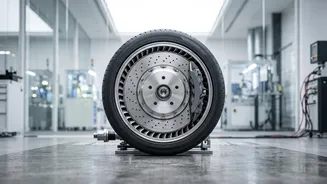
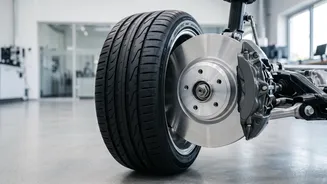
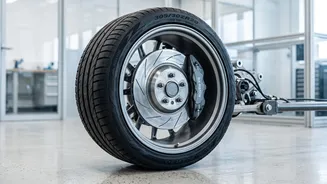
The most significant change in the proposed BS-VII framework is the focus on non-exhaust emissions. When a vehicle brakes, the friction wears down brake pads, releasing fine particles into the air. Similarly, tyres shed microscopic particles as they roll across the road. These sources are a major contributor to particulate matter (PM) pollution, and crucially, they are produced by all vehicles, including electric ones. The draft rules propose specific limits for brake-particle emissions, starting from April 2031. Initially, pure electric cars will have a stricter limit of 3 mg/km, while other vehicles, including petrol, diesel, and hybrids, will have a limit of 7 mg/km. By 2035, a uniform limit of 3 mg/km is proposed for all passenger vehicles.
Why This Change Is Crucial
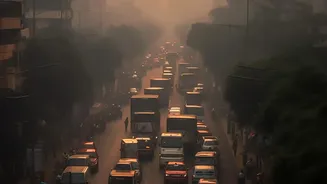
As India moves towards cleaner fuels and electric mobility, tailpipe emissions are gradually decreasing. However, the pollution from brakes and tyres remains a persistent problem. These non-exhaust emissions contribute significantly to PM2.5 and PM10 levels, the fine particles that pose serious health risks by entering deep into the lungs and bloodstream. The draft rules also aim to measure even smaller, ultrafine particles by lowering the measurement threshold from 23 nanometres to 10 nanometres. By regulating these previously unmeasured sources, the government aims to create a more holistic and effective framework for tackling air pollution from vehicles.
Rethinking How Emissions Are Tested
Another key aspect of the proposed BS-VII norms is the emphasis on real-world performance. While laboratory tests are good for creating a standard, they don't always reflect on-road conditions. The new rules mandate Real Driving Emissions (RDE) testing using portable equipment to measure pollution while the vehicle is actually being driven. Furthermore, the regulations introduce the concept of an 'Environmental Vehicle Passport'. This document would provide buyers with clear, transparent data on a vehicle’s emissions, fuel economy, and, for EVs, battery health and durability. The rules also propose durability standards for EV batteries, requiring them to retain a certain percentage of their capacity over several years and kilometres.
Impact on Car Buyers and Industry
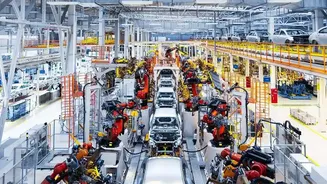
While the existing BS-VI exhaust emission limits for pollutants like Nitrogen Oxides (NOx) and Carbon Monoxide (CO) remain largely unchanged for passenger cars, the new testing and monitoring requirements will demand innovation from manufacturers. Companies will need to invest in research and technology for brakes, tyres, and onboard monitoring systems to meet the new standards. This could potentially lead to an increase in vehicle costs. For consumers, this means access to vehicles that are cleaner over their entire lifecycle, not just in terms of what comes out of the exhaust. The introduction of the Environmental Vehicle Passport will also empower buyers with more comprehensive information to make informed choices.