






The Problem with the 'All-or-Nothing' Approach
It’s a common scenario: we feast during Diwali, Christmas, or Eid, telling ourselves we'll 'make up for it' later with intense workouts and strict dieting. This 'all-or-nothing' mindset frames food as a battle of extremes. Experts warn this cycle is counterproductive.
Drastic restriction after a period of overeating can lead to increased cravings, emotional distress, and a pattern of rebound bingeing. The brain interprets severe calorie cutting as scarcity, which can amplify the desire for the very foods you're trying to avoid. Furthermore, this yo-yo approach of feasting and then fasting can disrupt your metabolism, making sustainable health goals harder to achieve. It sets up a damaging relationship with food, where enjoyment is tied to guilt and eating becomes a source of stress rather than nourishment and pleasure.
What 'Festive Balance' Actually Means
Finding balance isn't about forbidding your favourite festive treats like gulab jamuns or plum cake. Instead, it’s about shifting your mindset from restriction to mindful indulgence. Balance means giving yourself permission to enjoy special foods without feeling the need to overdo it or punish yourself later. It’s about choosing quality over quantity, prioritising the dishes you truly love, and savouring them. A balanced approach also involves what you do on non-festive days. Eating simpler, home-cooked meals with plenty of vegetables on the days surrounding a big celebration can help offset richer foods without resorting to extreme measures. This consistency is what supports long-term health, not short-term perfection.
Practical Strategies for Mindful Indulgence
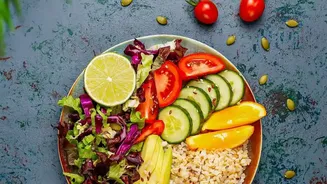
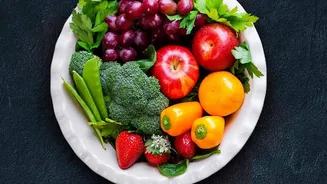
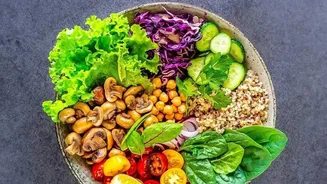
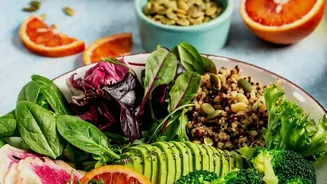
So, how can you practice balance during celebrations? Start by not skipping meals to 'save calories' for a party. Arriving ravenously hungry makes overeating almost inevitable. Having a small, healthy snack beforehand can curb hunger and lead to more conscious choices. When you're at the event, use a smaller plate and be selective. Fill half your plate with salads and vegetables first, then add smaller portions of richer dishes. Take your time, eat slowly, and pay attention to the flavours and textures. This practice, known as mindful eating, helps you recognise your body's fullness cues and increases satisfaction from smaller amounts. It's also helpful to stay hydrated, as thirst is often mistaken for hunger. Finally, shift your focus from just the food to the social experience—the conversations and connections are the real heart of any festival.
Moving Past Food Guilt
A key part of festive balance is letting go of food-related guilt. Nutrition experts advise against labelling foods as 'good' or 'bad'. This creates a sense of urgency and can lead to overindulgence when you finally have the 'forbidden' item. Remind yourself that you can enjoy these foods again; they aren't scarce or available only once. This removes the panic and allows you to make choices based on genuine desire rather than a feeling of now-or-never. If you do eat more than you intended, the key is self-compassion. One indulgent meal or day doesn't define your overall health. The goal is to move on and return to your normal eating patterns the next day, not to start a punitive diet.