



The Hidden Costs of Convenience
We’ve all been there. You arrive at your destination, unpack, and realise you’ve forgotten your favourite shampoo or a simple pain reliever. The immediate solution is a trip to the hotel gift shop or a nearby convenience store. While it seems easy, this
convenience comes at a steep price. Items in airports, hotels, and tourist-heavy areas are notoriously marked up. Research shows that travel-sized toiletries can cost up to three times more per ounce than their full-sized counterparts. A simple bottle of water or a small bag of nuts can have its price inflated significantly compared to what you would pay at your local grocery store. These small, unplanned purchases quickly accumulate, creating a noticeable dent in your travel budget that could have been allocated to experiences, food, or souvenirs. By packing your own, you sidestep this 'tourist tax' entirely.
Beyond the Price Tag: The Mental Toll
The benefits of this strategy extend far beyond your wallet. Travel, while exciting, bombards the brain with new information, leading to what psychologists call 'decision fatigue'. Every choice, from navigating a new city to deciding where to eat, depletes your mental energy. Having to find a pharmacy in an unfamiliar area, decipher foreign product labels, or settle for a subpar alternative to your trusted brand adds unnecessary stress to your journey. Packing your essentials—the face wash you love, the specific tea you drink every morning, your go-to headache medicine—creates a bubble of familiarity and comfort. It eliminates a whole category of potential problems and decisions, freeing up your cognitive resources to fully immerse yourself in the joy of discovery, not the chore of replacement shopping. This act of preparation is an investment in your peace of mind.
Building Your 'Untouchable' Kit
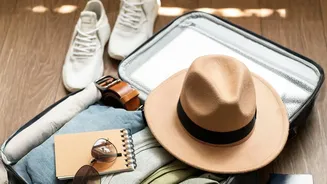
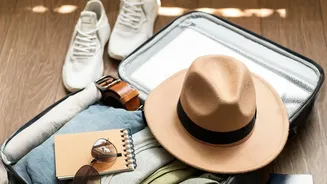
Creating your pre-packed essentials kit doesn't have to be complicated. The goal is to cover the small necessities that form the backbone of your daily routine. Start with toiletries; use refillable, travel-sized silicone bottles for your specific shampoo, conditioner, and lotion to save money and reduce waste. Next, assemble a mini first-aid kit with basics like plasters, pain relievers, allergy medication, and any personal prescriptions. Don't forget your favourite non-perishable snacks. Having a protein bar or a bag of almonds can be a lifesaver during a long layover or when hunger strikes between meals, preventing you from buying overpriced airport food. A reusable water bottle is another non-negotiable item, allowing you to stay hydrated without constantly buying plastic bottles. Think of it as packing for the person you are every day, not just the traveller you're about to become.
Smart Packing, Not Overpacking
A common concern is that this approach leads to overpacking and potential excess baggage fees. However, the key is to pack smarter, not heavier. The focus is on small, high-leverage items. Opt for solid toiletries—like shampoo bars, conditioner bars, and toothpaste tablets—which are not subject to liquid restrictions and are incredibly space-efficient. Decanting liquids into small, reusable containers is far more efficient than carrying bulky, full-sized products. Use packing cubes to compartmentalise and compress your essentials. Remember, the goal isn't to replicate your entire home bathroom and pantry, but to create a curated kit of items that provide comfort, health, and financial predictability. A well-planned list ensures you bring exactly what you need without adding unnecessary weight. This discipline actually prevents the kind of chaotic overpacking that happens when you throw in extra items 'just in case' at the last minute.