






Before You Leave: Prepare and Plan
A safe journey begins before you even step out the door. Always check the weather forecast and traffic updates from reliable sources like the Indian Meteorological Department (IMD) or local traffic police portals. If authorities have issued warnings for heavy
rainfall or flooding, consider postponing any non-essential travel. For those driving, a pre-monsoon vehicle check is non-negotiable. Ensure your tyres have adequate tread (at least 3mm is recommended), your brakes are responsive, and your windscreen wipers are in perfect working order. Also, make sure your headlights, particularly low beams, are functional for improving visibility in downpours.
On The Road: Navigating Waterlogged Streets
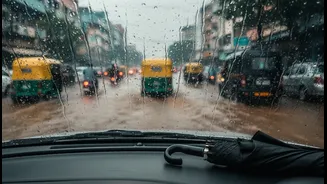
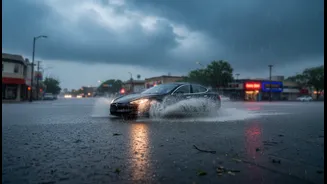
The single most important rule of monsoon commuting is to never underestimate waterlogged roads. What appears to be a shallow puddle can conceal deep potholes, open manholes, or debris that can cause serious accidents or vehicle damage. If you encounter a flooded street, the safest option is always to find an alternative route or wait for the water to recede. If you absolutely must proceed, drive slowly in a low gear, keeping the engine revs high to prevent water from entering the exhaust. Never restart a vehicle that has stalled in water, as this can lead to a 'hydrostatic lock' and cause catastrophic engine damage. It's best to call for assistance.
Driving Safely on Wet Roads
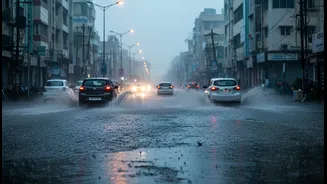
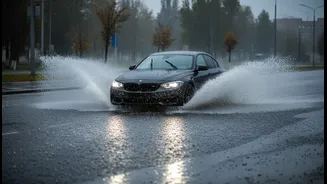
Even without deep water, wet roads are treacherous. Braking distance can increase by 30-40%, so reduce your speed significantly and double the safe following distance between you and the vehicle ahead. Avoid sudden braking or sharp turns, as this can lead to skidding or hydroplaning, where your tyres lose contact with the road surface. Always use your low-beam headlights, not high beams, as the latter reflect off raindrops and can worsen visibility for you and oncoming drivers. Be extra cautious on painted surfaces like zebra crossings, which become extremely slippery when wet.
The Hidden Danger: Electrical Hazards
Heavy rain brings a significant risk of electrocution. Stay far away from snapped or fallen power lines, and report them to the electricity board immediately. Waterlogged areas can have live currents from submerged electrical systems or faulty streetlights. Do not touch electrical poles, stay wires, or transformer fencing, as they can become energized. At home or in the office, never operate switches with wet hands. It’s also wise to unplug non-essential electronics during a thunderstorm to protect them from power surges caused by lightning.
For Pedestrians and Public Transport Users
If you are walking, wear sturdy footwear with a good grip to avoid slipping on wet, slick surfaces. Avoid wading through stagnant water whenever possible. This water is often contaminated with sewage and can harbour diseases, besides hiding dangers like open drains. If you must walk through it, wash your legs and feet thoroughly with soap and water as soon as you can. When using public transport, stay behind the safety line on railway platforms, which can be very slippery. Always be aware of your surroundings and look out for falling trees or branches during strong winds.
Health and Hygiene on the Go
The monsoon is a peak season for water-borne and vector-borne diseases. Avoid eating street food, especially items that are raw or have been sitting out. Stick to bottled or boiled water to prevent gastrointestinal infections. Carrying a hand sanitiser is a good practice for maintaining hygiene. To prevent fungal infections, change out of wet clothes and shoes as soon as possible. Mosquitoes also thrive in the monsoon; wearing full-sleeved clothing can offer some protection from diseases like dengue and malaria.
Pack an Emergency Monsoon Kit
Delays and getting stranded are common during heavy rains. It's smart to carry a small emergency kit. This should include a fully charged power bank for your phone, a small flashlight, essential medicines, a bottle of clean drinking water, and some dry snacks. Keeping important documents and electronics in waterproof bags or ziplock pouches is also a wise precaution to protect them from water damage.