








Master the Money
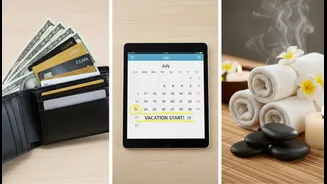
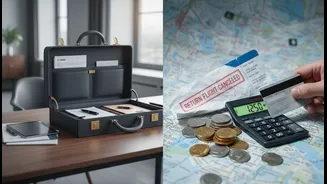
The golden rule of bleisure travel is to never mix personal and business expenses. Companies will cover costs for the business portion of your trip, but you are responsible for all leisure-related spending. Before you book anything, get clarity. Document
the cost of a standard, business-only return flight. If extending your stay for leisure results in a more expensive flight, you will likely be expected to pay the difference. For hotels, the cleanest method is to ask the front desk to create two separate invoices upon check-in: one for the business nights to be charged to the company card, and another for your personal nights on your own card. This avoids confusion with per diems and expense reports. Always use your personal card for any leisure activities, meals, or sightseeing.
Manage the Time
Deciding when to take your leisure time—before, during, or after your work commitments—is a key part of the process. Adding personal days at the end of a trip, often over a weekend, is the most common approach. Whatever you choose, the line between work time and personal time must be crystal clear for everyone involved. During your designated workdays, you are fully on the clock and expected to be available. Once your personal time begins, you are on your own leave. Communicate your schedule clearly to your manager and colleagues to avoid any misunderstandings about your availability. Plan your work commitments first, scheduling meetings and tasks, and then arrange your leisure activities around them.
Set Clear Expectations
Open communication is the most critical element for a successful bleisure trip. This starts with understanding your company's official policy. Many companies now have formal bleisure guidelines that specify eligibility, approval processes, and rules for expenses. If your company doesn’t have a formal policy, it is even more important to have a direct conversation with your manager. This isn't just about getting permission; it's about aligning on expectations. Discuss your proposed itinerary, the exact dates of your personal leave, and confirm the expense separation strategy. It is also important to know where the company's duty of care begins and ends. Many employers' insurance and security protections do not extend to the leisure portion of your trip, so you may need to arrange your own travel insurance.
The Art of the Ask
How you frame your request can make all the difference. Present your plan to your manager well in advance, not as a last-minute whim. Frame it as a win-win. Explain that the opportunity to explore the city will leave you feeling more refreshed and productive, ultimately benefiting the company. Some studies show that employees who take bleisure trips report higher satisfaction and a better work-life balance. Be prepared and professional. Have a clear plan detailing your work schedule and your personal days. Show that you have thought through the logistics, including how your responsibilities will be covered and how you will ensure a clean separation of expenses. By demonstrating that you are responsible and have the company's interests in mind, you make it much easier for your manager to say yes.