




More Than Just Building Muscle
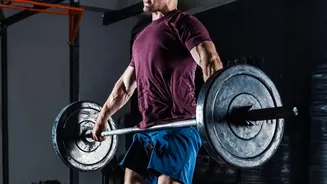
When you hear 'resistance training', you might picture bodybuilders lifting immense weights. But its true value lies not in the size of the weights, but in the power of the practice. Resistance exercise is any activity where your muscles work against
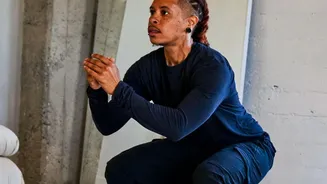
a force. This could be lifting dumbbells, using resistance bands, or even using your own bodyweight for exercises like squats and push-ups. It's a broad and accessible category of movement with one unifying principle: it makes you stronger. This strength isn't just for show; it's the foundation for a durable, resilient body capable of navigating life with energy and confidence.
Your Body's Metabolic Engine
Think of your muscles as the engine of your body. The more muscle you have, the more fuel (calories) your body burns, even when you're sitting still. This is because muscle tissue is more metabolically active than fat tissue. By engaging in regular resistance training, you build and maintain this crucial muscle mass, which helps to boost your resting metabolism. This process is vital for managing a healthy weight, but its benefits run deeper. Active muscles play a key role in regulating blood sugar by absorbing glucose from your bloodstream, which can improve insulin sensitivity and reduce the risk of chronic conditions like type 2 diabetes.
The Fight Against Ageing
One of the unavoidable truths of ageing is the gradual loss of muscle mass and strength, a condition known as sarcopenia. This decline can begin as early as your 30s and accelerates after age 60. Sarcopenia is linked to frailty, a higher risk of falls, and a loss of independence. The single most effective way to combat this is resistance training. It signals to your body to preserve and even build new muscle tissue. At the same time, weight-bearing exercises place healthy stress on your skeleton, stimulating bone-forming cells and helping to increase bone mineral density. This is your best defence against osteoporosis, a condition that makes bones weak and brittle.
Strength for Everyday Life
The ultimate goal of lifelong fitness isn't to set records in a gym, but to live a full, active, and independent life. This is where functional strength comes in. The power you build through resistance training translates directly to everyday activities. It's what allows you to carry heavy groceries without strain, lift your child into your arms, get up from a chair with ease, and maintain the balance needed to prevent a stumble from becoming a serious fall. By strengthening the muscles that support your joints and power your movements, you are investing in your long-term mobility and quality of life.
Getting Started Is Simple
The beauty of resistance exercise is its scalability. You don't need a fancy gym membership or heavy barbells to begin. Start with your own body weight. Master fundamental movements like squats, lunges, push-ups, and planks. As you get stronger, you can introduce simple tools like resistance bands or light dumbbells. Experts recommend engaging in muscle-strengthening activities that involve all major muscle groups at least two days per week. The key is consistency and progressive overload—gradually making the exercises more challenging over time. Listen to your body, focus on proper form, and remember that every session is a step towards a stronger future.