




The Ancient Soul of Rajasthani Clay
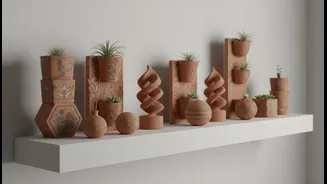
For generations, the potters of villages like Molela in Rajasthan have been masters of terracotta. Traditionally, their craft was sacred, focused on creating hollow relief plaques of deities and folk heroes for village shrines. These vibrant, hand-modelled
pieces were not just decorative but deeply woven into the spiritual life of local communities, who would acquire new plaques to seek blessings or ward off misfortune. The unique clay found on the banks of the Banas River, combined with the arid climate, gives Molela terracotta its distinct character and robustness. This art form, passed down through families, has always been a visual language, telling stories of mythology and daily rural life in reddish-brown earth.
The Urban Kitchen Conundrum
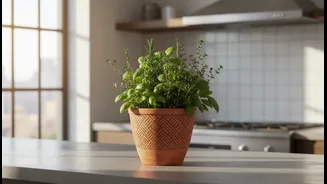
Contrast that sprawling heritage with the reality of a modern apartment kitchen. Limited counter space, compact storage, and a general lack of room are common frustrations for city dwellers. In this environment, every kitchen tool must justify its existence. Functionality and efficiency are paramount. At the same time, there is a growing desire among urban homeowners to connect with their heritage and embrace sustainable, non-toxic materials in their daily lives. Many are looking for ways to bring soulful, handcrafted items into their minimalist spaces, moving away from mass-produced goods toward objects with a story and a conscience.
Where Tradition Meets Smart Design
This is where the fusion of Rajasthani craft and urban design principles creates something truly special. Seeing the demand from city-based clients, artisans and contemporary designers are collaborating to adapt traditional terracotta for a new audience. The focus is shifting from purely devotional or decorative items to functional housewares that solve modern problems. The term 'smart' in this context isn’t about technology; it’s about intelligent design. It’s about making a traditional object more versatile, space-efficient, and suited to the practicalities of a contemporary lifestyle without losing its handcrafted soul.
The Features of 'Smart' Terracotta
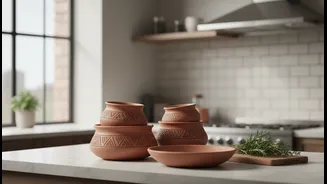
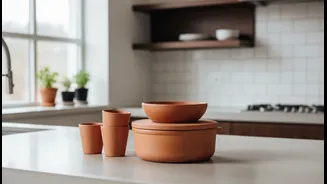
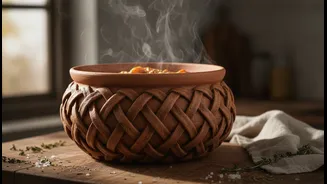
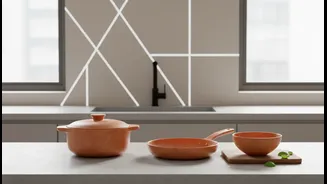
So what makes this new wave of terracotta cookware smart for flats? It comes down to thoughtful adaptations. Designers are creating stackable handis and bowls that minimize storage footprint. Lids are being designed to double as serving plates or coasters. Some pieces feature ergonomic handles that make them easier to move and store in tight cupboards. The forms are often simplified, with cleaner lines that blend seamlessly into modern kitchen aesthetics while retaining the earthy texture of the clay. Furthermore, artisans are refining their techniques to ensure the cookware is durable enough for use on a modern gas stove (on a low flame), making it practical for daily cooking.
More Than Just Cookware
Choosing this reimagined terracotta is about more than just smart storage. It’s a vote for sustainability and health. Clay is a natural, biodegradable material, making it an eco-friendly choice. As a cooking vessel, it is non-toxic and prized for its ability to distribute heat slowly and evenly, which helps retain the natural nutrients and flavours of food. Dishes cooked in clay pots are known for their distinct earthy taste and aroma. By bringing these pieces into their homes, consumers are not only making a healthy choice but also helping to provide a livelihood for artisan communities, ensuring that age-old skills continue to thrive and evolve in the modern world.