



The Big Picture: What the RBI Said
In its latest monetary policy meeting on August 5, 2026, the RBI's committee decided to keep the key repo rate unchanged at 5.25%. More notably for consumers, it revised its consumer price index (CPI) inflation forecast for the fiscal year 2026-27 slightly
downward, from 5.1% to 5.0%. The central bank pointed to a benign trend in core inflation, which strips out volatile food and fuel prices, as a key reason for its decision. The RBI's tone was described as neutral and data-dependent, signaling a "wait-and-watch" approach due to uncertainties like the monsoon's performance and global geopolitical issues before making future moves.
Headline Numbers vs. Your Kitchen Budget
While a lower overall inflation forecast is positive news, it doesn't always translate directly to cheaper groceries. Food inflation is a beast of its own, often influenced more by seasonal factors, supply chain issues, and monsoon performance than by monetary policy. For instance, while overall inflation for June 2026 was 4.38%, food inflation stood higher at 5.32%, driven by sharp increases in specific items. This disconnect is what you feel in your wallet. The RBI itself acknowledged risks related to the monsoon and is watching the food price situation closely. Analysts note that food inflation has broadened across several essential commodities, meaning price pressure isn't just from one or two items anymore.
A Peek Inside the Grocery Basket: Item by Item
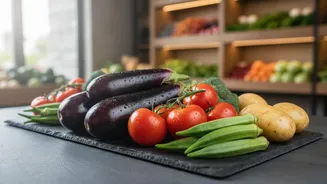
Let's break down what's happening with the essentials. Vegetables, often called TOP (tomatoes, onions, and potatoes), are famously volatile. Recent data from early August 2026 shows significant price variations. In some wholesale markets, premium tomatoes fetched high prices, while in others, they were much lower, showing how much location and quality matter. Onion prices, in particular, have been a concern, with reports from early August suggesting they could be a key driver of food inflation, showing a nearly 20% year-on-year rise in July retail prices. Leafy vegetable prices have also seen sharp, sudden spikes.
The Staples: Pulses and Edible Oils
Beyond fresh produce, the prices of pulses (dal) and edible oils are putting a strain on household budgets. Recent government data showed moderate price increases across various dals, with urad dal rising over 5%. However, the sharpest hikes have been in edible oils. With India importing more than half of its required edible oil, prices are highly sensitive to global conditions. Imports surged in July, the highest in ten months, as refiners stocked up for the upcoming festival season. This has led to significant price increases for consumers, with sunflower, palm, and soya oils all seeing double-digit percentage price jumps.
Grains and The Road Ahead
Prices for staples like rice and wheat flour have seen more marginal increases recently. Looking forward, the outlook is mixed. The progress of the monsoon is crucial; a good rainy season helps ensure a healthy harvest and can cool down prices. However, companies are also facing higher input and logistics costs, which they may pass on to consumers. Analysts expect food inflation to remain a pressure point. Bank of Baroda's Essential Commodities Index, for example, rose sharply in July, indicating sustained pressure on food items. While the RBI's forecast offers macroeconomic stability, your monthly budget will likely still be shaped by these specific commodity trends.