





From Tourist Traps to Total Immersion
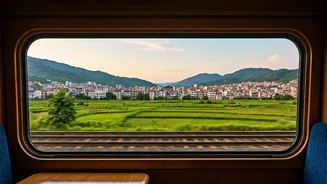
For years, the definition of a successful trip revolved around a packed itinerary and a camera roll full of iconic landmarks. This 'checklist' approach to travel is being quietly rewritten by a younger generation. Gen Z is increasingly favouring 'slow
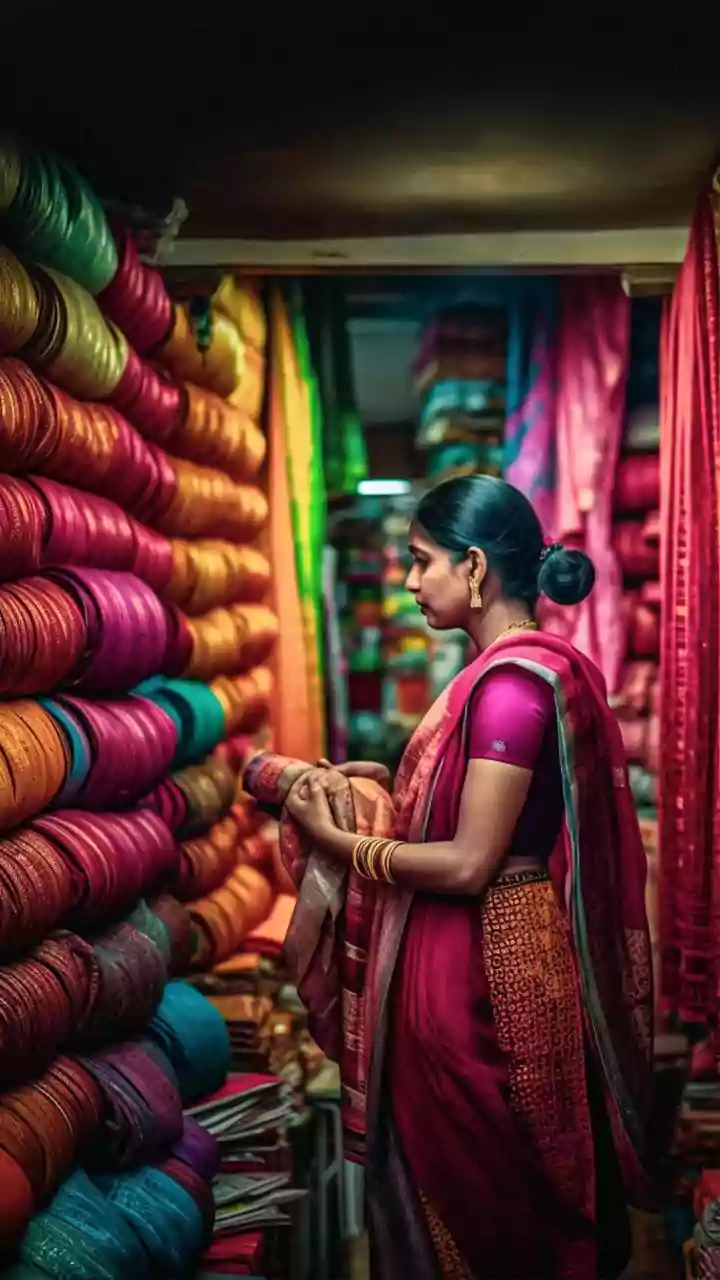
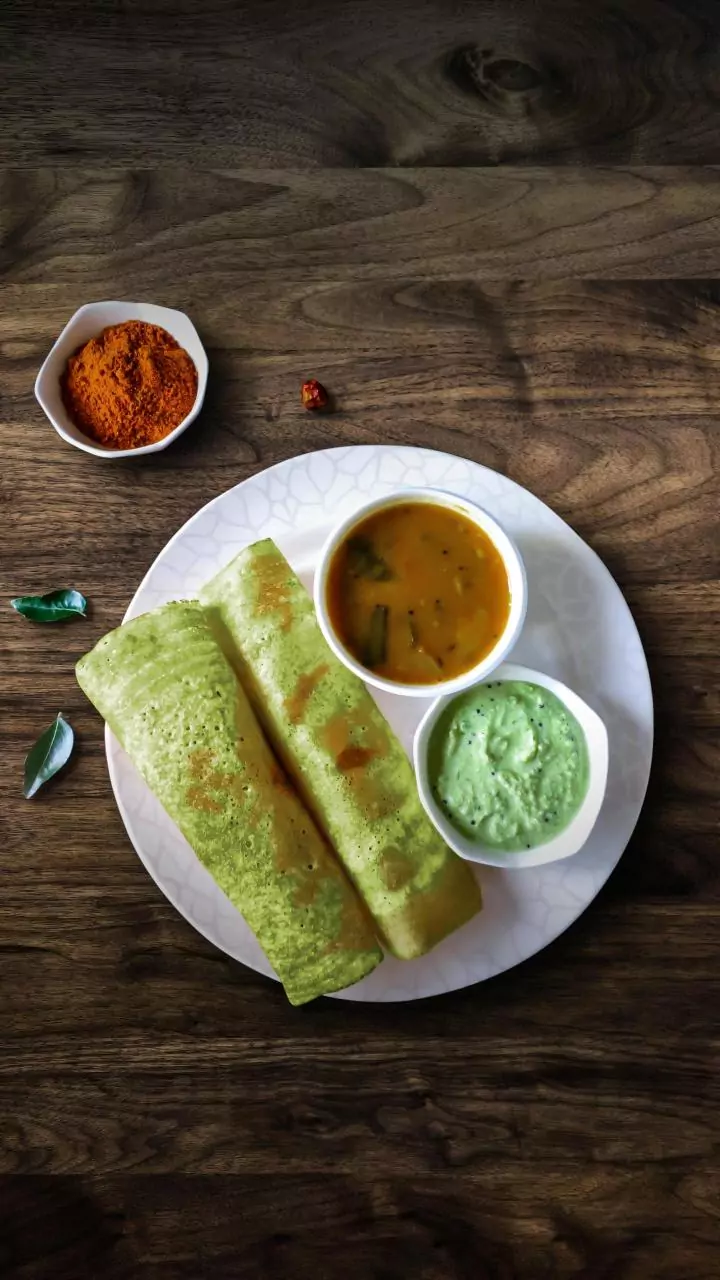
travel', a model that prioritizes longer stays in fewer destinations. The goal is no longer to see everything, but to truly experience a place. This means renting a local apartment instead of a generic hotel room, shopping at neighbourhood markets, and learning to cook a local dish. It’s a move away from being a tourist and towards being a temporary resident, seeking authentic connections with the culture, people, and food of a destination.
The Burnout Generation Seeks a Real Break
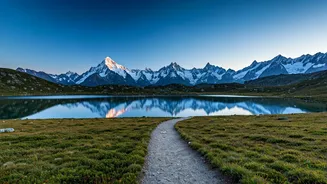
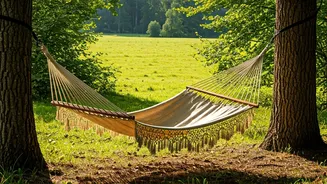
This shift is not happening in a vacuum. Dubbed the 'burnout generation', many young professionals view travel less as a luxury and more as a necessary coping mechanism for high-stress jobs and the pressures of being constantly online. The Deloitte agency has noted that millennials and Gen Z are driving the growth of wellness tourism, with many willing to pay more for experiences that prioritize their well-being. A 'slow-reset' trip offers a deeper kind of rest than a whirlwind tour. It’s an intentional choice to disconnect from work emails, endless notifications, and the digital noise that contributes to mental fatigue. These travellers are seeking out wellness retreats, digital detoxes, and serene natural settings where they can genuinely recharge.
What a Slow Reset Looks Like
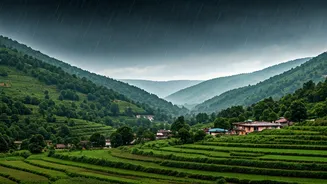
So, what does this new mode of travel look like in practice? It’s about valuing experiences over extravagance. Gen Z travellers are often willing to save money on flights and accommodation to spend more on unique local activities and food. This could mean a month-long stay in a quiet coastal town in Goa, learning to surf and working remotely. It might be a two-week immersive yoga retreat in the mountains of Himachal Pradesh or a farm stay in Kerala, where the daily rhythm is dictated by nature, not a schedule. The emphasis is on activities that foster connection and personal growth, like hiking, volunteering, or simply reading a book in a local cafe. It's a conscious rejection of party-centric holidays in favour of rest and rejuvenation.
A More Conscious Way to Explore
The slow travel movement also aligns with Gen Z's heightened awareness of sustainability and the negative impacts of overtourism. By staying longer in one place, travellers reduce their carbon footprint from frequent flights. They are also more likely to support local economies directly by frequenting small businesses rather than international chains. There's a growing desire to visit lesser-known destinations to alleviate pressure on popular tourist hotspots. This approach redefines a 'good' trip, measuring its success not by the number of photos posted online, but by the quality of the connections made and the positive impact on both the traveller and the destination.