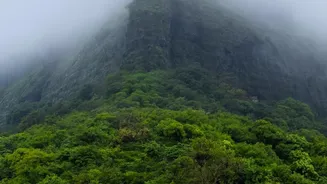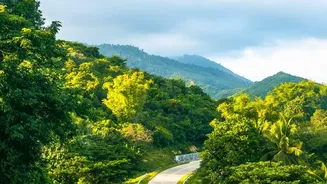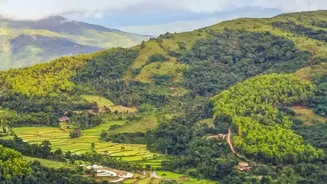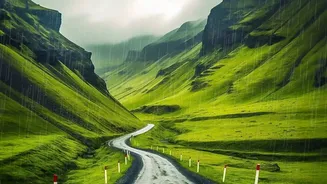

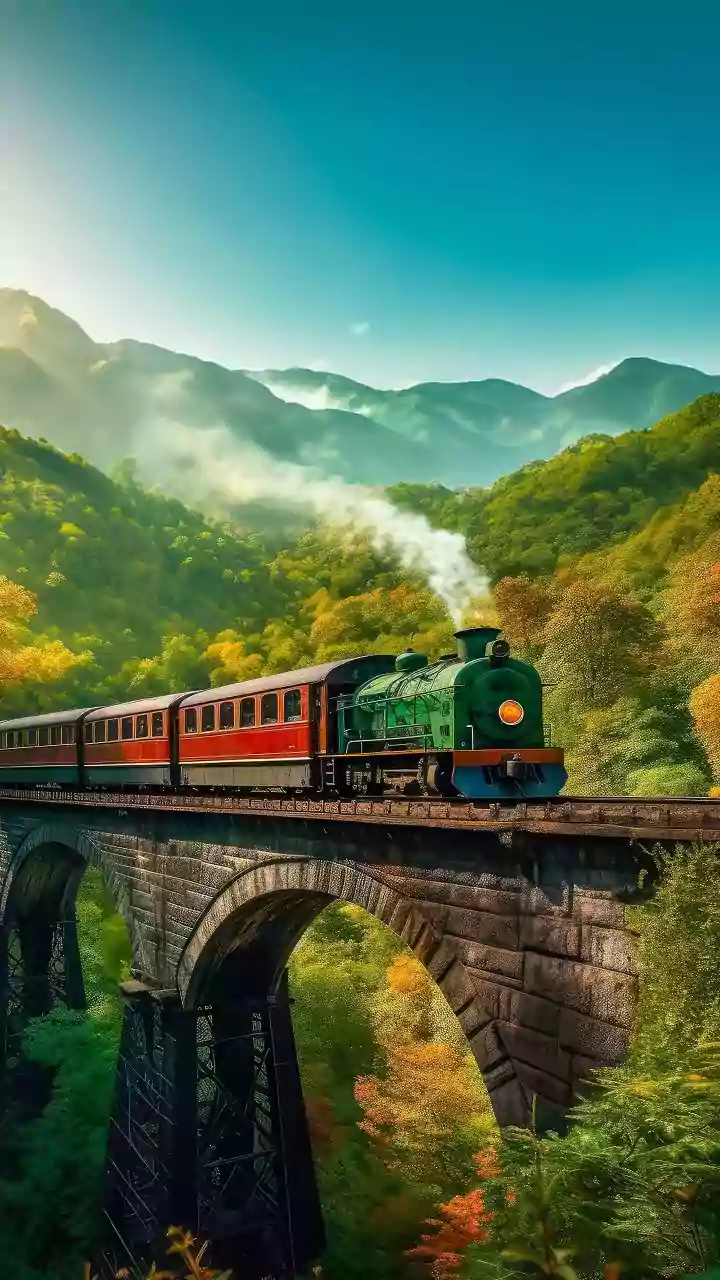

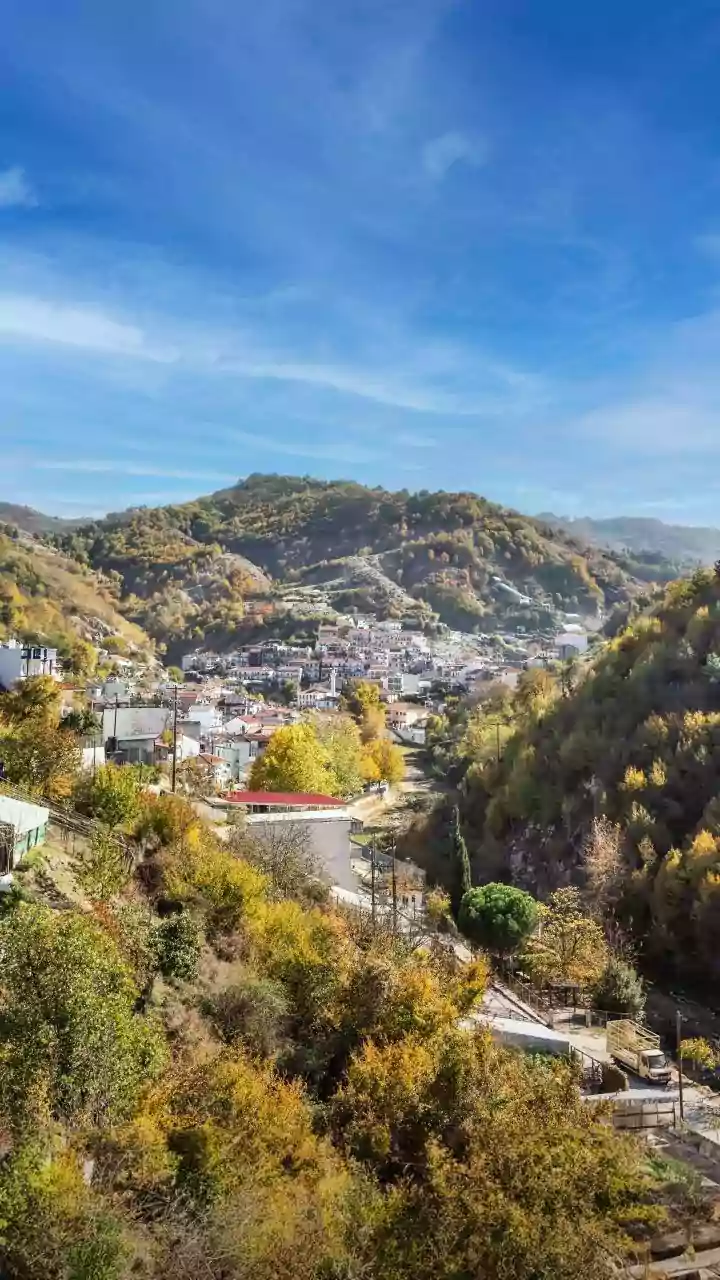
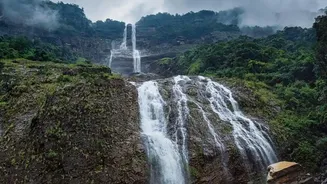
A Symphony of Emerald and Green
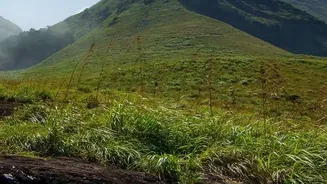
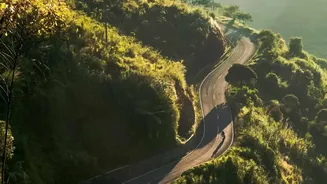
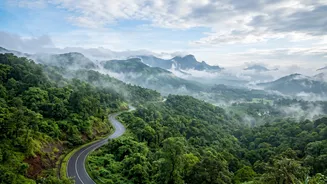
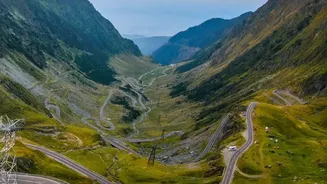
The most immediate and overwhelming reason to visit the Western Ghats post-monsoon is the colour. After months of being drenched, the entire landscape is washed clean and cloaked in a breathtaking spectrum of greens. The forests appear denser, the tea
and coffee plantations look impossibly lush, and rolling hills are covered in a fresh, velvety carpet. This period of renewal makes every twist and turn on the winding roads a picturesque moment. The air itself feels different—crisp, clean, and carrying the rich scent of wet earth and blooming wildflowers, a sensory feast that the drier months cannot replicate.
Waterfalls in Their Full Glory
While the monsoon brings the waterfalls, the post-monsoon season is when you can truly enjoy them. Fed by months of relentless rain, the region's countless cascades are at their most spectacular and powerful in September and October. Waterfalls that are mere trickles for the rest of the year become thundering spectacles, creating a dramatic soundtrack for your journey. Popular ghat sections like Malshej and Amboli in Maharashtra become wonderlands where water streams down cliffs and sometimes even spills onto the road, offering a magical, misty driving experience without the peak monsoon's travel hazards.
The Perfect Driving Weather
This season strikes the perfect balance between the heavy downpours of the monsoon and the searing heat that arrives later. You are treated to pleasant, cool weather with comfortable daytime temperatures, ideal for driving with the windows down. The humidity drops, and the skies are often clearer, providing stunning visibility for those panoramic vistas from viewpoints. While a brief, lingering shower is always possible, it often just adds to the romantic, misty atmosphere of the hills rather than disrupting your plans.
Fewer Crowds, Quieter Roads
The post-monsoon window is often considered a shoulder season, sitting perfectly between the peak monsoon thrill-seekers and the larger wave of winter holiday tourists. This means you can experience popular destinations with a fraction of the usual crowd. This translates to less traffic on the winding ghat roads, more availability at hotels and homestays, and a more peaceful, intimate connection with nature. You can enjoy the stunning landscapes and quiet trails without the bustle of peak season, making for a genuinely relaxing escape.
Biodiversity at Its Peak
The Western Ghats, a UNESCO World Heritage Site, is one of the world's hottest biodiversity hotspots, and this season is when it truly comes alive. The dense forests hum with activity. For birdwatchers, this period is particularly rewarding as resident birds are joined by the first of the winter migrants. Areas like Amboli Ghat, a designated Biodiversity Heritage Site, are teeming with life after the rains. It’s a time of renewal for all flora and fauna, offering a richer experience for nature lovers and wildlife enthusiasts.
Actionable Weekend Itineraries
The beauty of the Western Ghats is its accessibility from major cities. For a quick weekend escape from Mumbai or Pune, the drive through Tamhini Ghat offers stunning lakeside views of the full Mulshi Dam, while Malshej Ghat is a waterfall chaser's dream. From Bengaluru, the routes to Coorg or Chikmagalur are legendary, taking you through the heart of coffee country, where the plantations are lush and green post-monsoon. Down south, a drive from Kochi towards Munnar or Wayanad immerses you in verdant tea gardens and spice plantations, with misty roads and stunning viewpoints.