


Choose Your Battlefield: The Right Spot
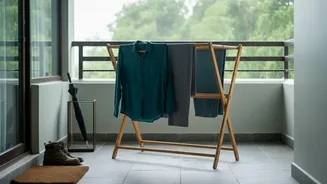
The first step is to designate a specific area as your official drying zone. Resist the urge to hang clothes on every available door and chair back. An ideal spot has good ventilation and is preferably out of your main living areas. A spare room, a utility
area, or even a covered balcony can work. Some experts suggest using the bathroom, as it's often equipped with an exhaust fan designed to handle moisture. The key is to consolidate the dampness into one manageable space, preventing moisture from spreading throughout your home and leading to mould or a stuffy feeling. Think of this as creating a command centre for your war against dampness.
Gear Up: Essential Tools for Dryness
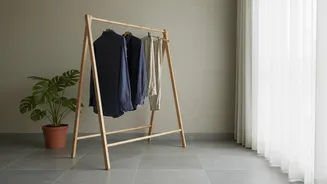
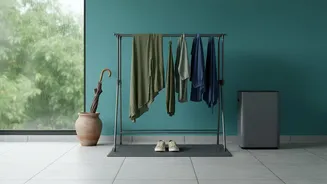
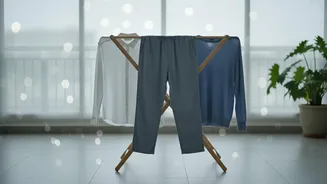
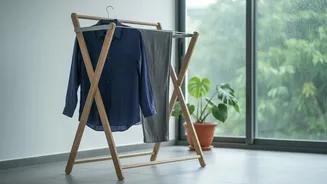
A good quality, foldable drying rack is your most valuable soldier. Choose a metal one, as wood can warp with moisture, and look for multi-tiered designs that allow you to hang clothes without them overlapping. This ensures better airflow, which is critical for faster drying. Your next essential is a fan. A simple pedestal or table fan aimed at the drying rack can dramatically speed up evaporation by keeping air circulating. For those in extremely humid cities like Mumbai or Kolkata, a dehumidifier is the ultimate weapon. It actively pulls moisture from the air, reducing drying time from over 12 hours to just a few. Even running an air conditioner in the room can help lower ambient humidity.
The Main Event: Drying Clothes Smartly
How you prepare your laundry makes a huge difference. Always use the highest spin cycle on your washing machine to wring out as much water as possible before hanging. Some even recommend running the spin cycle twice. When placing clothes on the rack, give each item space to breathe—at least a few inches apart. Don't overload the rack. Shaking each garment out before hanging helps to open up the fibres. Using hangers for shirts and kurtas allows them to maintain their shape and increases exposure to air. For heavier items like jeans and towels, consider flipping them halfway through to ensure they dry evenly.
Beyond Fabric: Tackling Wet Shoes
Rain-soaked shoes are a direct invitation for fungus and odours. Never use direct heat like a hairdryer, as it can damage the material and adhesives. The safest and most effective method is to first clean off any mud, then stuff the shoes with crumpled newspaper. The paper is highly absorbent and will draw moisture out from the inside. You may need to replace the newspaper every few hours for very wet shoes. Once stuffed, place the shoes in a well-ventilated area, ideally near your drying zone's fan. For an extra boost, you can use silica gel packets—the kind often found in new shoe boxes—to absorb moisture.
The Dripping Problem: Managing Umbrellas
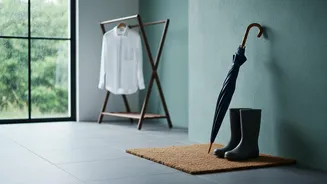
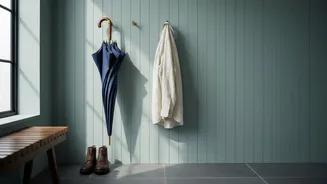
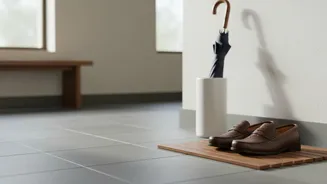
A dripping umbrella can create a slippery and messy hazard. The best practice is to give it a good shake outside before you enter. Once inside, don't leave it closed and leaning in a corner, as this traps moisture and can lead to rust and mildew. The ideal place to let an umbrella dry is partially open in a bathtub or shower stall, where the drips are contained. If that's not feasible, an umbrella stand or a simple bucket placed near the entrance works well. The goal is to let it air dry completely before folding it up for storage.
Banish the Smell: Fighting Mildew and Odour
The dreaded musty monsoon smell is caused by bacteria and mildew growing on fabric that stays damp for too long—often more than six hours. Preventing this is all about speed and air quality. Aside from using fans, keeping a window slightly ajar (when it's not raining) helps. To combat odours, consider natural solutions. Placing a few neem leaves or camphor balls in your closets can help. You can also put bowls of unrefined salt or charcoal in the corners of your drying room to help absorb ambient moisture. For your wash, adding half a cup of white vinegar to the rinse cycle once a week can kill mould spores and remove smells.