





Why 10 Minutes Is a Game-Changer
The thought of a one-hour workout can be daunting, making it easy to skip. A 10-minute commitment, however, is mentally manageable. Psychology tells us that the key to forming a habit is repetition, not intensity. By lowering the barrier to entry, you
make it easier to show up every day. This consistency is what rewires your brain to make exercise automatic. Research shows that these short bursts of activity are surprisingly effective. They can improve heart health, help regulate blood sugar, lower blood pressure, and release mood-boosting endorphins. Studies have found that even 10 minutes of daily movement can improve cognitive function, boost happiness, and lead to better, more restorative sleep.
Consistency Over Intensity
Many people fall into an 'all-or-nothing' trap, believing that if they can't manage an intense, hour-long session, there's no point in exercising at all. But science suggests otherwise. Being consistently active with short workouts is often more beneficial for long-term health and habit formation than sporadic, high-intensity sessions. Daily movement helps reduce overall sitting time, which is a major risk factor for chronic diseases. Furthermore, studies on high-intensity interval training (HIIT) show that short, intense workouts can be more effective for improving cardiovascular health than longer, moderate sessions. Even a 10-minute HIIT routine can burn a significant number of calories and produce an 'afterburn' effect, where your body continues to burn calories post-workout. The goal is to create a pattern your body can rely on, day in and day out.
How to Make the Habit Stick
Building a lasting habit is about creating a simple, repeatable loop: a cue, a routine, and a reward. To make your 10-minute workout stick, integrate it into your existing schedule using these proven strategies: 1. Habit Stacking: Anchor your new workout to an established part of your day. For example: 'Right after my morning coffee, I will do my 10-minute workout'. Or, 'As soon as I change out of my work clothes, I will start my workout'. This uses an existing habit as the cue for the new one. 2. Prepare Your Environment: Remove any friction that might get in your way. Lay out your workout clothes the night before. Have your yoga mat unrolled and ready. If you're following a video, have it cued up on your device. The easier it is to start, the more likely you are to do it. 3. Start Ridiculously Small: If 10 minutes feels like too much at first, start with five, or even two. The goal of the first few weeks isn't fitness; it's consistency. Once the action of starting becomes automatic, you can gradually increase the duration. This approach prevents the feeling of being overwhelmed that causes so many people to quit. 4. Focus on the Feeling: The reward isn't just the long-term health benefit. Pay attention to the immediate reward: the feeling of accomplishment, the burst of energy, or the reduction in stress. This positive feedback reinforces the habit loop, making your brain want to do it again.
Sample 10-Minute Full-Body Workout
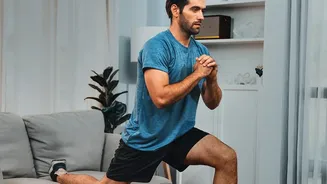
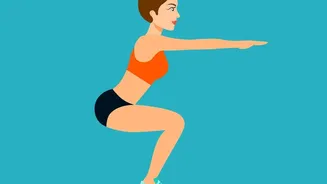
You don't need any equipment to get started. Here is a simple, effective circuit you can do anywhere. Set a timer for 10 minutes and cycle through these exercises, performing each for 30 seconds followed by 30 seconds of rest before moving to the next. Squats: Stand with feet shoulder-width apart. Lower your hips as if sitting in a chair, keeping your chest up and back straight. Push through your heels to return to the start. Push-ups: Start in a plank position. Lower your body until your chest is near the floor, then push back up. You can modify this by doing them on your knees. Reverse Lunges: Step one foot back, lowering both knees to 90-degree angles. Push off your back foot to return to standing. Alternate legs. Plank: Hold a straight line from your head to your heels, engaging your core. Avoid letting your hips sag. Once you complete the plank, return to squats and repeat the circuit until the 10 minutes are up.