



The Unseen Enemy: Altitude Sickness
One of the most common yet underestimated dangers is Acute Mountain Sickness (AMS). It’s not a reflection of your physical fitness but your body's reaction to lower oxygen levels at high elevations. Symptoms often mimic a bad hangover: headache, nausea,
dizziness, and fatigue. These typically appear within the first 24 hours above 8,000 feet. The golden rule for prevention is gradual acclimatization—climb high, but sleep at a lower altitude whenever possible. Ignoring mild symptoms and ascending further can lead to life-threatening conditions like High-Altitude Pulmonary Edema (HAPE) or High-Altitude Cerebral Edema (HACE), where fluid accumulates in the lungs or brain. If symptoms worsen, the only reliable treatment is to descend immediately.
Navigating Treacherous Terrain
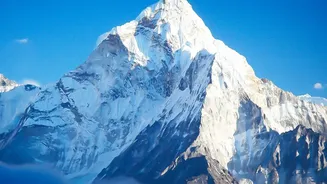
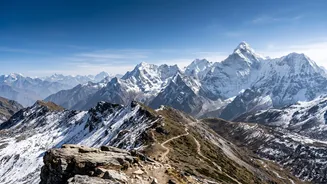
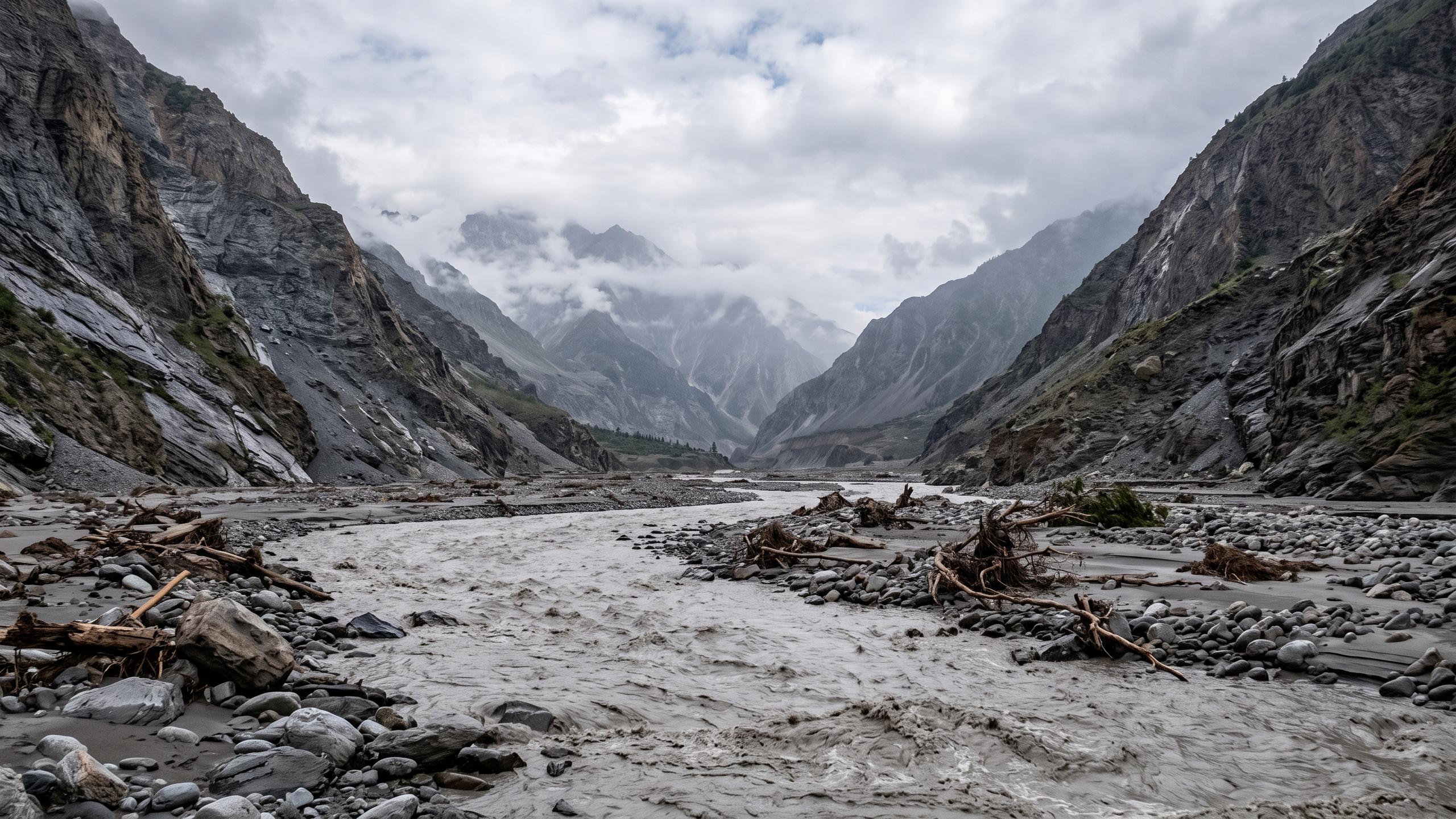
Mountain landscapes are in constant flux. Rockfalls, landslides, and avalanches are significant threats, especially in geologically active ranges like the Himalayas. These events can be triggered by rainfall, snowmelt, or simply gravity. Trekkers should always stay on marked trails and move swiftly through exposed gullies or the base of steep cliffs. It's wise to avoid using headphones to remain aware of your surroundings, including sounds of falling rock or warnings from others. Most avalanches are triggered by the victim or someone in their party, making education in snow safety critical for winter or spring treks. Knowing how to read terrain and avalanche forecasts can be lifesaving.
Weather’s Swift and Sudden Hand
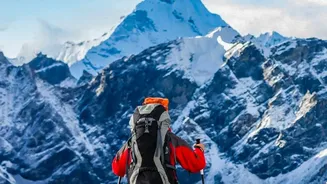
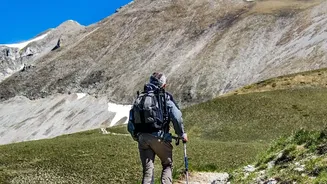
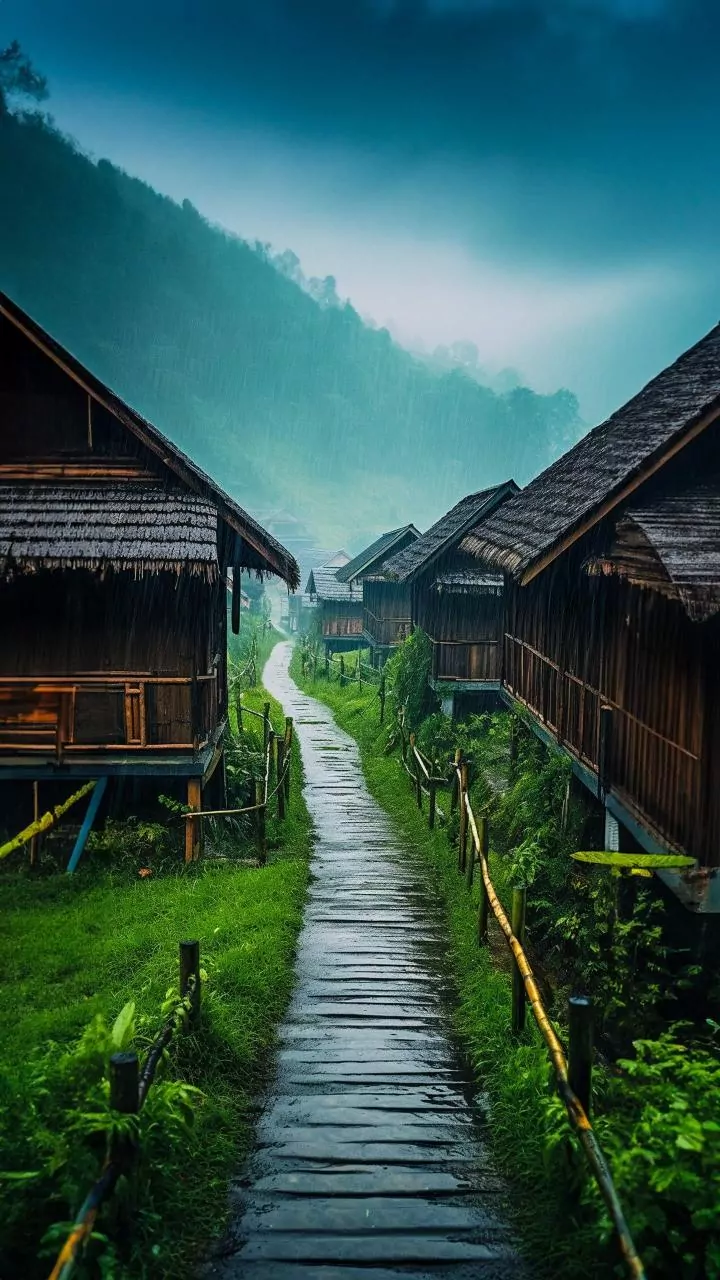
In the mountains, the weather waits for no one. A clear, sunny morning can transform into a raging blizzard within hours, a common occurrence in regions like the Himalayas. This volatility makes proper gear essential. The key is layering: moisture-wicking base layers, insulating mid-layers, and a waterproof, windproof outer shell. Sturdy, broken-in hiking boots are non-negotiable for secure footing on hazardous terrain. Always carry essentials like a map, compass, extra food, water, and a first-aid kit, even on what seems like a short day hike. While forecasts are helpful, they are not always reliable at high altitudes, so you must be prepared for any condition.
The Human Factor: Preparation and Judgement
Many incidents in the mountains stem from human error. Underestimating the physical demands, skimping on quality gear, or succumbing to 'summit fever'—the dangerous compulsion to reach the top at all costs—can lead to disaster. It is crucial to choose a trek that matches your experience and fitness level. Hiring an experienced, certified guide from a reputable company is one of the most important safety decisions you can make. They provide local knowledge, assess risks in real-time, and can manage emergencies. An unusually cheap trekking package may be a red flag for compromised safety standards.
Your Non-Negotiable Safety Net: Insurance
Should the worst happen, being prepared financially is critical. Standard travel insurance often does not cover high-altitude trekking. It's vital to purchase a specialised policy that explicitly includes coverage for activities above 3,000 or 4,000 meters and, most importantly, covers helicopter evacuation. The cost of a medical evacuation from a remote mountain area can be astronomical. A comprehensive policy provides a financial safety net for emergencies, trip cancellations due to weather or natural disasters, and medical treatment. Always read the fine print to ensure your planned activities and altitudes are fully covered.