





The Soul of the Room
A home is more than an architectural shell; it’s a living, breathing space that should reflect the people within it. While modern design often champions minimalism and multi-functional spaces, there's a growing appreciation for creating pockets of personality
that serve a single, simple purpose: joy. This is the magic of a reading corner. It is a deliberate, almost rebellious, act of carving out a space that isn't for working, eating, or entertaining. It is a space dedicated to the quiet, internal world of the individual. It’s this dedication to personal well-being, to slowness in a fast-paced world, that injects a profound sense of humanity into our living environment. A reading corner silently says, 'Here, a person rests, thinks, and dreams.'
An Antidote to Digital Overload
Our homes have become hubs of constant connectivity. Laptops on the dining table, notifications pinging from the sofa, and news feeds scrolling in bed. A reading corner serves as a vital sanctuary from this digital deluge. By its very nature, it’s an analogue space. The main activities—reading a physical book, sipping a cup of chai, or simply gazing out a window—require a different kind of attention. This isn't multitasking; it's single-tasking. Psychologically, having a designated spot for this kind of deep, uninterrupted focus can help train our brains to relax. It creates a physical boundary that encourages a mental one, signalling to ourselves and others that this is a time for quiet contemplation. In a world that demands our constant attention, a space that asks for nothing but our presence is a true luxury.
The Anatomy of a Perfect Nook
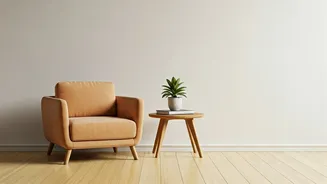
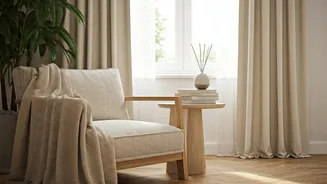
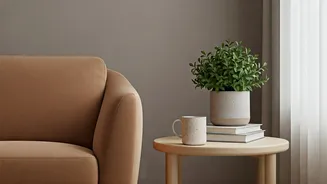
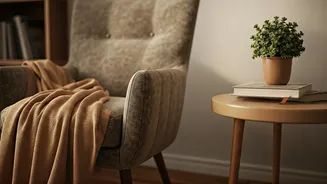
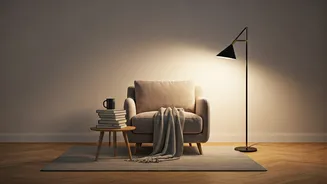
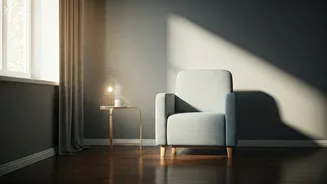
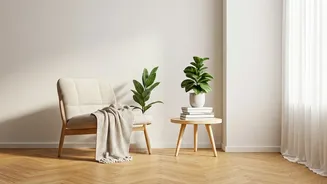
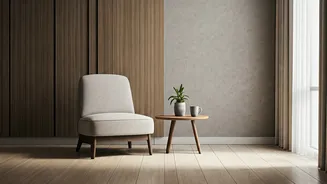
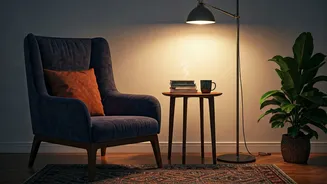
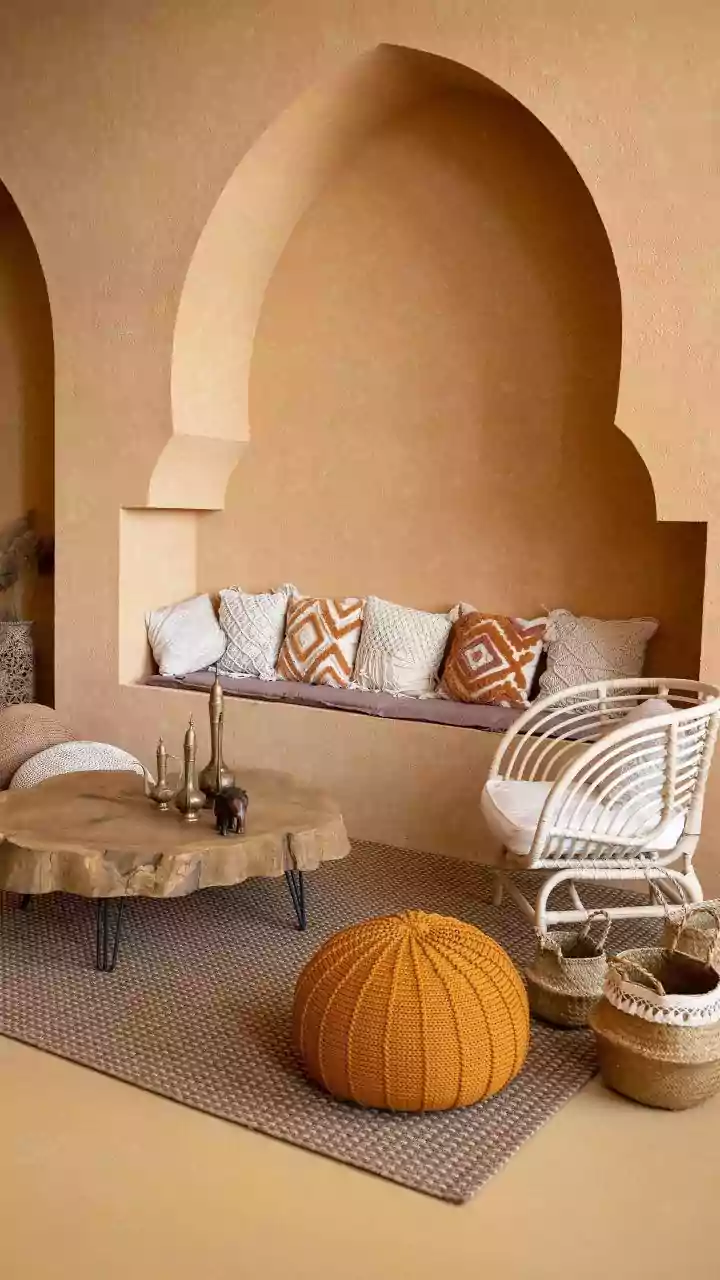
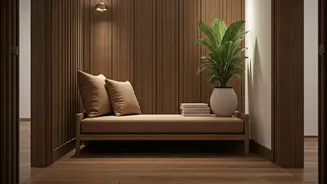
Creating a reading corner doesn't require a spare room or a massive budget. It’s about curating a small zone of comfort. The key is to engage the senses. Start with the most important element: the seat. It must be comfortable enough to sit in for at least an hour. Think a plush armchair, a deep-cushioned bench with pillows, or even a well-supported floor cushion. Next, consider lighting. Natural light from a window is ideal, but a dedicated lamp that provides warm, focused light is essential for evenings. A small table or ledge is crucial for holding your book, a hot beverage, and perhaps a small snack. Finally, texture is what elevates the space from functional to truly inviting. A soft throw blanket, a textured cushion, or a small rug underfoot all contribute to a feeling of cosiness and enclosure.
Beyond Books: The Contemplation Corner
While we call it a 'reading' corner, its purpose can be much broader. Think of it as a 'contemplation corner'. It’s for anyone who needs a moment of peace, not just avid readers. This could be a place to listen to music on headphones, write in a journal, sketch, or even just sit with your thoughts. In many Indian homes, a small corner is often reserved for a 'puja' or quiet prayer; the reading nook borrows from this same principle of a sacred, dedicated space within a larger domestic setting. The goal is to create a spot that supports any quiet, mindful activity that recharges your spirit. It's about the intention behind the space—a haven for the inner self, whatever that self needs on a given day.
Find Your Corner, No Matter the Size
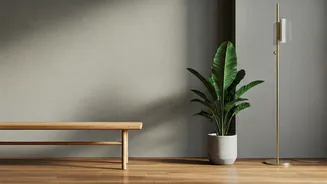
The beauty of a reading nook is its scalability. You don't need a sprawling bungalow; a cosy corner can be created even in the most compact urban apartment. Look for underutilised spaces: the area beside a large window, the corner of a bedroom, a small landing, or even a section of a balcony that can be shielded from the elements. Use furniture to define the zone. A bookshelf can act as a natural wall, and a distinct rug can visually separate the nook from the rest of the room. The key is to make it feel like a destination, however small. Personalise it with things that bring you comfort and inspiration—a few favourite books, a small plant, a framed picture, or a scented candle. This is your personal retreat; it should look and feel like you.