


The Allure of Metal and Ferns
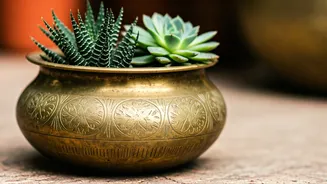
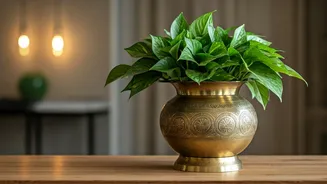
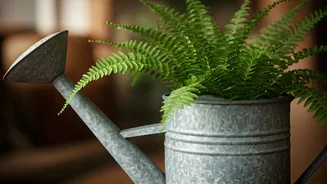
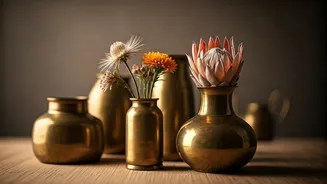
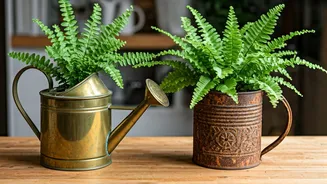
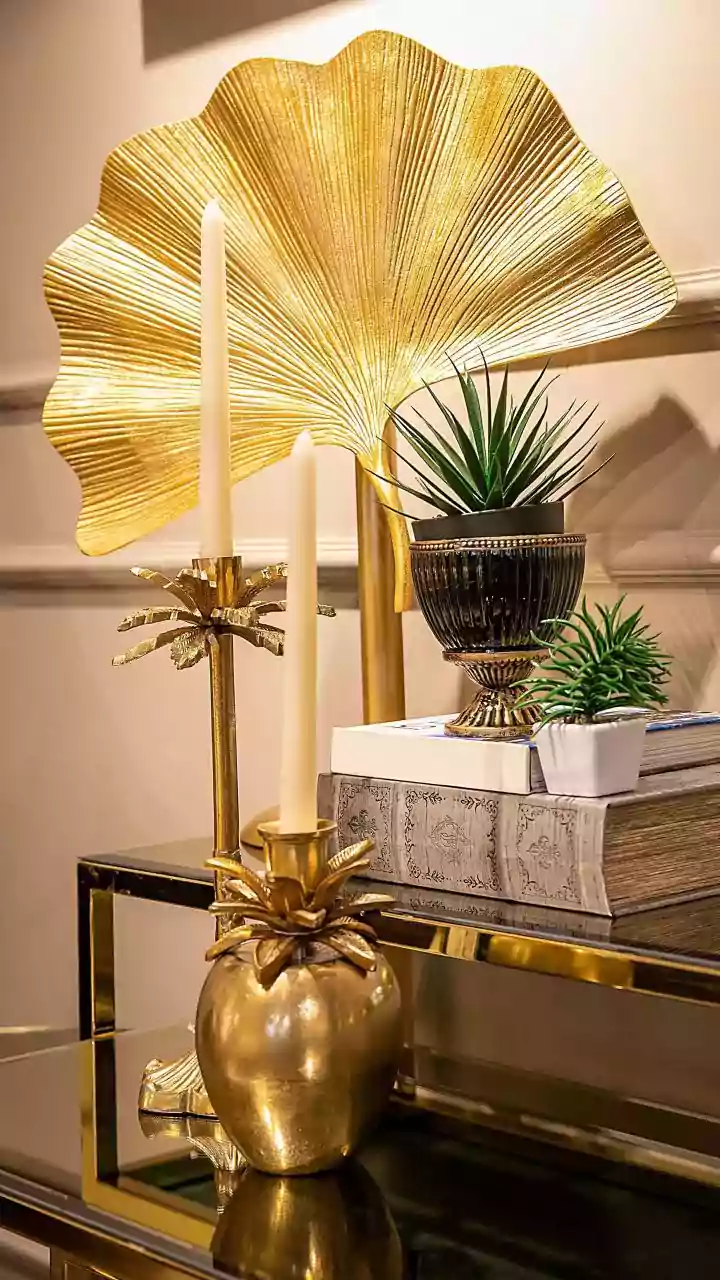
There's a unique magic that happens when the cool, hard texture of vintage metal meets the soft, feathery fronds of a fern. The pairing creates a beautiful contrast that feels both industrial and organic, rustic and refined. An old brass water pot (lota),
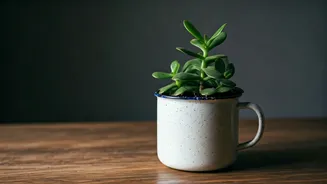
a weathered aluminium tiffin carrier, or a brightly coloured enamelware mug can find a second life, moving from a forgotten shelf in the storeroom to a statement piece in your living room. This project isn't just about planting; it's about storytelling. Each scratch and patina on the metal tells a story, now intertwined with the new life of the plant it holds.
Choosing Your Vintage Vessel
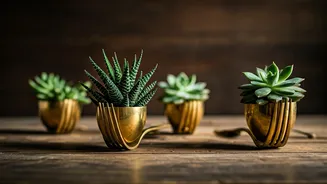
The hunt for the perfect vessel is half the fun. Scour your local kabadiwala, flea markets, or your own grandmother’s attic. Look for items with character and a suitable shape. Brass, copper, and enamelware are excellent choices as they are less prone to rust than iron. Old kettles, decorative tins, watering cans, ornate buckets, and even old-school tiffin boxes make for wonderfully unique planters. When choosing, consider the size of the fern you want to plant. Ensure the vessel is deep enough to accommodate the root ball. Inspect it for any major holes (unless you want them for drainage) or sharp edges.
Picking the Perfect Fern
Not all ferns are created equal, especially when it comes to living indoors. For container gardening in Indian homes, you need resilient varieties that tolerate indoor light and humidity levels. The Boston Fern (Nephrolepis exaltata) is a classic for a reason; its arching fronds are gorgeous and it’s relatively easy to care for. The Bird's Nest Fern (Asplenium nidus) offers a different look with its solid, wavy leaves that grow in a rosette, resembling a bird's nest. For smaller containers, the delicate Maidenhair Fern (Adiantum) is a stunning choice, though it requires more consistent moisture and humidity. Always choose a healthy plant with vibrant green foliage.
The Crucial Step: Preparing Your Planter
This is the most important part to ensure your plant thrives and your vessel lasts. Metal and water can lead to rust and root rot if not handled correctly. First, clean the vessel thoroughly. The golden rule of container gardening is drainage. If you can, carefully drill a few small holes in the bottom of your metal pot. If drilling isn't an option or you want to preserve the item, you have two choices. One: use the vessel as a decorative cachepot. Simply keep the fern in its original plastic pot and place it inside the metal container, removing it to water. Two: create a drainage layer. Place a 1-2 inch layer of small stones, pebbles, or charcoal at the bottom before adding soil. This allows excess water to collect away from the roots. For iron or tin vessels, consider spraying the inside with a clear, waterproof sealant to prevent rust.
Planting Your Fern with Care
Once your vessel is prepped, it's time to plant. Use a well-draining potting mix. You can buy a pre-made mix for indoor plants or create your own using cocopeat, compost, and perlite. Gently remove the fern from its nursery pot, teasing the roots slightly if they are tightly bound. Place it in the centre of your metal vessel on top of a base layer of soil. Fill the surrounding space with more potting mix, pressing down gently to remove air pockets. The soil level should be about an inch below the rim of the container. Water thoroughly until you see it drain from the bottom (or until the soil is evenly moist if you don't have drainage holes).
Finding the Right Spot and Providing Care
Your beautiful creation is ready for its debut. Most ferns prefer bright, indirect light. A spot near an east-facing window or in a well-lit room away from direct, harsh sunlight is ideal. Keep the soil consistently moist but not waterlogged. The 'no-drainage-hole' method requires careful watering—let the top inch of soil dry out before watering again. Ferns love humidity, so they thrive in bathrooms or kitchens. Alternatively, you can mist your fern every couple of days or place it on a tray of pebbles filled with water to increase the surrounding humidity. Rotate the pot every week or so to ensure all sides get even light.