




The Rise of the 'Experience Economy'
A fundamental shift is underway, driven by Generation Z and millennials who increasingly favour experiences over possessions. Recent reports highlight this trend, with a staggering 78% of Indian consumers now preferring to spend their money on memorable
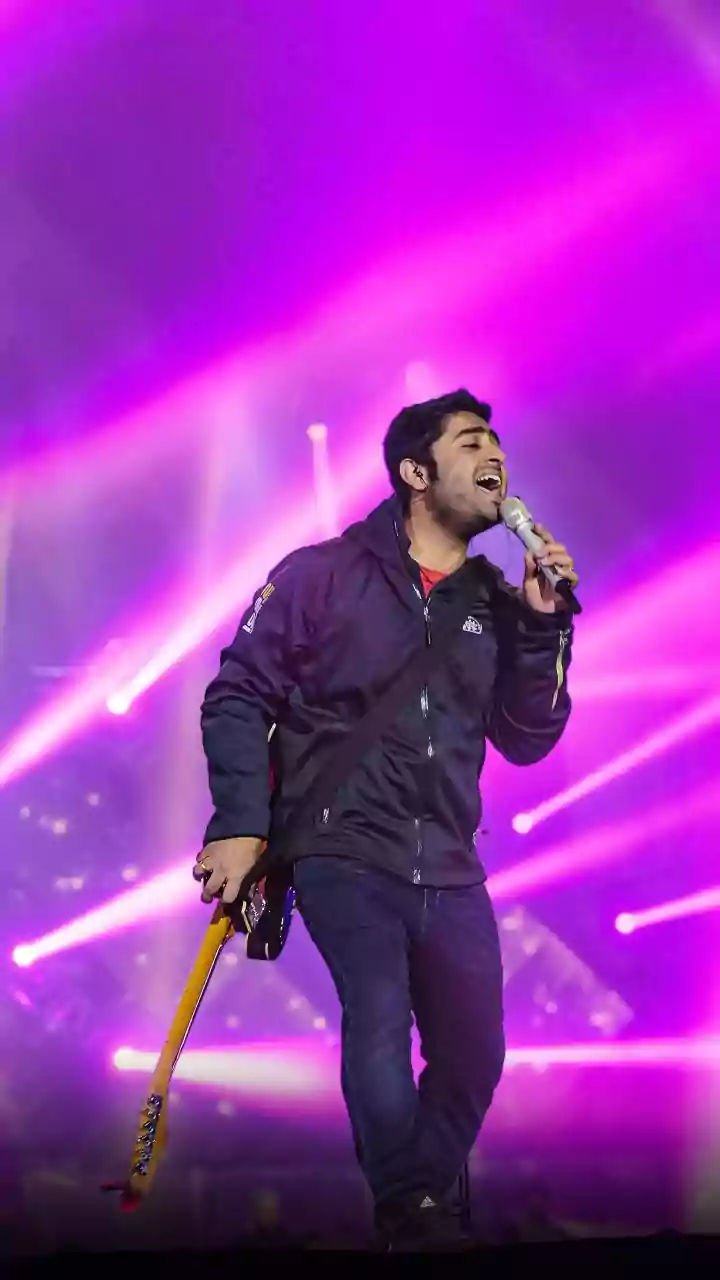
events rather than physical products. This has fueled the explosive growth of India's live events market, which includes everything from large-scale international festivals like Lollapalooza to intimate local gigs. What was once a niche interest has become a mainstream cultural phenomenon, reshaping how discretionary income, or 'fun funds', is spent. Instead of saving for material goods, many young Indians are now actively budgeting for concert tickets, festival passes, and the travel that often comes with them.
From Entertainment to Destination
Music events are no longer just a few hours of entertainment; they are the destination itself. A 2026 survey revealed that 62% of Gen Z in India plan to travel for concerts and music festivals. For many, these events are the primary motivation for exploring a new city. Data shows that 76% of young travellers reported visiting a city for the first time specifically to attend a live event. This trend, dubbed 'music tourism', has a significant economic impact, with attendees extending their stays to explore local cafes, shops, and culture, thereby boosting local economies. On average, young Indians are spending around ₹51,000 per music-led trip, demonstrating a strong willingness to invest in these experiences.
The New Social Currency
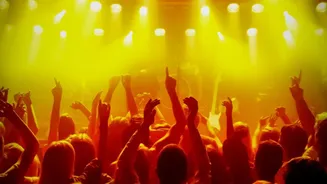
In the age of social media, attending a music event is about more than just the music; it's about creating and sharing a social identity. Festivals have become a canvas for self-expression through fashion, and the experience itself has become a form of 'cultural currency'. The fear of missing out, amplified by seeing friends and influencers share their concert experiences online, is a powerful motivator. Brands have taken notice, shifting from simple sponsorships to creating immersive experiences that align with youth culture. For attendees, these events are about community and connection, with 70% attending in groups with friends. It's a shared experience, collectively lived and digitally broadcast.
Beyond the Metros
While major cities like Mumbai, Bengaluru, and Delhi remain epicentres of the live music scene, the phenomenon is rapidly expanding into Tier 2 and Tier 3 cities. Festivals are now being held in unique locations like the Ziro Valley in Arunachal Pradesh or against the backdrop of heritage sites in Rajasthan, blending music with travel and local culture. This geographical diversification is making live music more accessible across the country and is helping to disperse tourism beyond traditional hubs. The rise of local scenes and community-driven jam sessions further signals that this trend is becoming deeply embedded in India's cultural fabric, not just a big-city luxury.