




More Than Just Gir's Neighbour
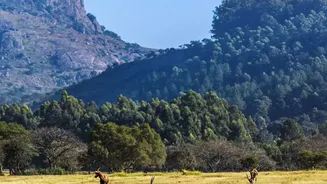
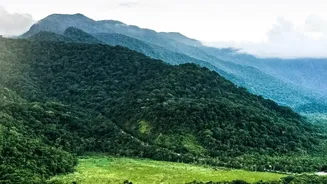
For decades, Barda existed in the shadow of its famous neighbour. Established as a sanctuary in 1979, this 192.31 square kilometre protected area was once the private hunting ground of the princely states of Porbandar and Jamnagar. Its rugged, hilly terrain
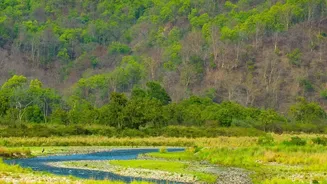
is a world away from Gir's drier, flatter plains. Characterised by tropical and deciduous forests, scrublands, and two rivers, the Bileshvary and Joghri, Barda's landscape is exceptionally diverse. This rich environment supports over 650 species of plants, making it one of the most florally abundant areas in the state, with numerous medicinal herbs growing wild. This unique ecosystem is not just a haven for wildlife but also acts as a natural barrier, protecting the surrounding agricultural lands from coastal salinity.
A Sanctuary of Rich Biodiversity
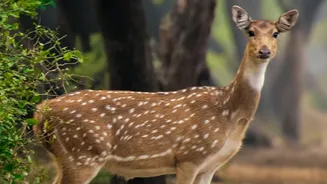
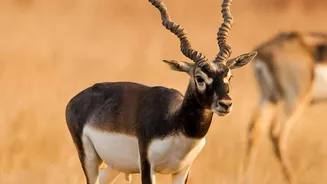
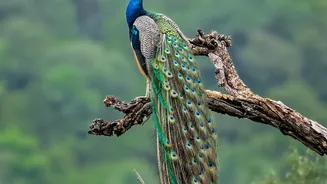
While the lion may be the new star, Barda has long been home to a fascinating array of fauna. The sanctuary supports a healthy population of predators like the Indian leopard, striped hyena, and wolf. Herbivores such as the majestic blue bull (nilgai) and chinkara can also be spotted. The forest department has been actively working to build a robust prey base by reintroducing species like sambar and chital (spotted deer), which had been locally extinct. Birdwatchers will find Barda a paradise, with rare species like the crested hawk-eagle and spotted eagle found here alongside peafowl and partridges. The area is also inhabited by traditional pastoral communities like the Maldharis, who have coexisted with the wildlife for centuries.
The New Home for Asiatic Lions
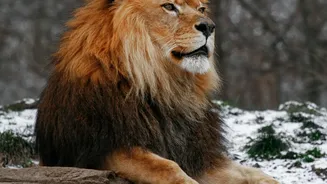
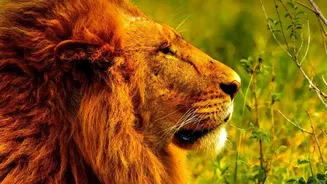
The most significant development in Barda's recent history is its designation as the second home for the Asiatic lion under 'Project Lion'. With the lion population in Gir becoming overcrowded, establishing a satellite population was crucial to protect the species from threats like disease outbreaks. The 'Gir-Barda Project' was initiated as far back as 1979 for this purpose. The dream became a reality in January 2023, when a male lion naturally dispersed from Gir into Barda. Following this, the Gujarat Forest Department introduced five females to establish a breeding population. As of October 2026, the sanctuary is home to a growing population of 17 lions. A recent scientific study confirmed that Barda's habitat is highly suitable for supporting a long-term lion population, cementing its role in the future of lion conservation.
A Practical Guide to Visiting Barda
Located just 15 km from the coastal city of Porbandar, Barda is easily accessible by road. The nearest airport and major railway station are also in Porbandar. The best time to visit is during the cooler months, from October to March, as the summer can be intensely hot. Jeep safaris are the primary way to explore the sanctuary, and it's advisable to book your vehicle and guide in advance, especially during peak season. Unlike larger parks, facilities within Barda are minimal, so visitors should carry their own water and snacks. For accommodation, Porbandar offers a range of hotels to suit different budgets. A trip to Barda can also be combined with visits to nearby attractions like Porbandar's Kirti Mandir, the birthplace of Mahatma Gandhi, or the Jamnagar Marine National Park.