


The Golden Rule: Know Your Ingredients
The first step to successful food gifting is understanding what your treat is made of. The shelf life of a sweet or savoury snack depends entirely on its ingredients, especially its moisture content. Items with high moisture, such as milk, khoya, or fresh
paneer, are highly perishable. Sweets like Rasgulla, Sandesh, or milk-based barfis have a very short window of freshness, often just two to four days, and must be kept refrigerated. In contrast, dry items made with ghee, nuts, sugar, and roasted flour have a much longer shelf life because they contain less water, which slows down spoilage.
A Guide to Common Festive Treats
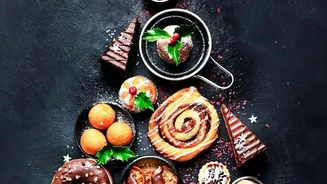
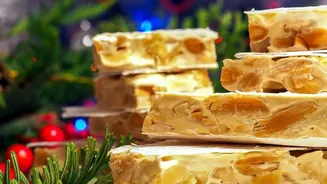
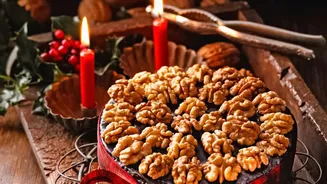
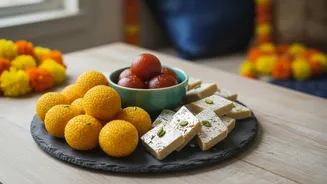
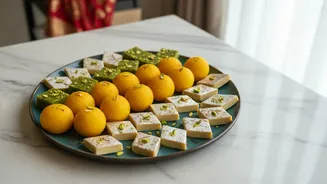
Different festive favourites require different handling. Dry sweets like Kaju Katli, Besan Ladoo, and dry fruit-based barfis can last for about seven to ten days when stored correctly at room temperature. Ghee-rich sweets such as Mohanthal can last even longer, up to 15 days, as ghee acts as a natural preservative. However, popular sweets like Motichoor Ladoo are best consumed within three to five days. Savoury snacks like chakli and chivda stay crisp for weeks if kept away from moisture in an airtight container. For homemade baked goods like cookies and cakes, drier and denser varieties travel better and last longer than moist, delicate ones.
Smart Storage Before and After Gifting
How you store treats before gifting them is crucial. Always allow homemade items to cool completely to room temperature before packing them; trapping steam will create moisture and lead to sogginess or spoilage. Store different types of sweets and snacks in separate airtight containers to prevent flavours from mixing and moisture from transferring. For milk-based sweets, refrigeration is non-negotiable. For drier sweets, a cool, dark pantry is ideal, as refrigeration can cause ghee to solidify and ruin the texture. When you give the gift, be sure to pass these storage instructions on to the recipient.
Packaging with Purpose and Presentation
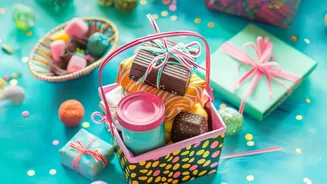
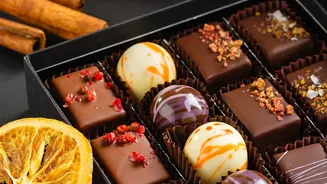
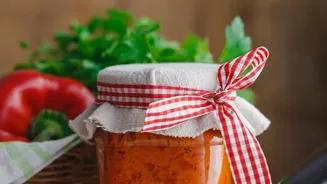
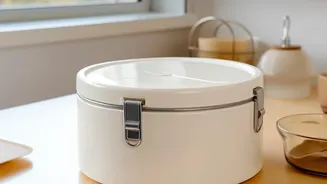
The right packaging not only looks beautiful but also preserves freshness. Airtight containers, whether glass jars, steel tins, or sturdy boxes, are your best friends. For homemade goods, lining a container with parchment or wax paper can prevent items from sticking and absorb any excess grease. If gifting an assortment, use boxes with dividers to keep crisp items separate from soft ones. The most thoughtful touch you can add is a small, elegant tag. Use it to label the treat and, most importantly, include a "best before" date and simple storage instructions, such as "Refrigerate and enjoy within 3 days." This small step removes any guesswork for your loved one.
Signs of Spoilage to Watch For
Advise your friends and family to trust their senses. Any off-smells, especially a sour or rancid odour, are a clear sign that a treat has gone bad. Visible mould or any unusual discolouration means the item should be discarded immediately. Changes in texture are another indicator; milk sweets might become slimy, while dry sweets can turn unusually hard. When it comes to food, the rule is always: when in doubt, throw it out. It's better to be safe than sorry, and proper gifting etiquette includes ensuring your gift doesn't pose a health risk.