


Moving Beyond the Showroom
There was a time when buying furniture felt like acquiring a uniform. You chose a single style and bought the entire matching set, from the sofa to the side tables. The result was a space that was coordinated but often lacked personality. Today, homeowners
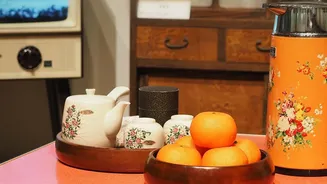
and designers are increasingly rejecting this rigid approach. The focus is shifting from creating a 'perfect' home to cultivating one that feels personal and assembled over time. This 'lived-in' aesthetic celebrates individuality, where a contemporary sofa can comfortably sit next to an antique cabinet passed down through generations.
A Home That Tells Your Story
A truly distinctive home is one that tells the story of the people who live there. This is where personal objects become the most important decorative elements. Mementos from travels, family heirlooms, children's artwork, and collections of books or figurines transform a house into a home. These items serve as emotional anchors, chosen not for their monetary value but for the memories and comfort they provide. Rather than being hidden away, these objects are being brought into the open on shelves and display cabinets, becoming part of the room's personality and serving as natural conversation starters for guests.
The Art of Mixing Old and New
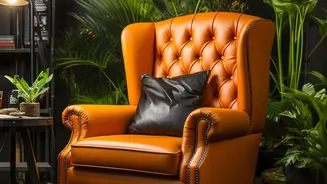
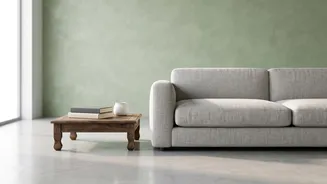
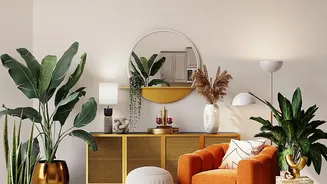
Mixing furniture from different eras and styles is key to achieving a curated, lived-in look. This approach works particularly well in an Indian context, where many families already possess beautiful, handcrafted traditional pieces. An ornate wooden chest, a jhoola (swing seat), or brass artifacts can be beautifully integrated with modern furniture that emphasizes clean lines and functionality. The trick isn't to create chaos, but harmony. A successful mix-and-match style often relies on finding a common thread, such as a consistent colour palette or a repeated texture, to tie the different pieces together. For instance, a traditional carved wooden chair can look stunning next to a modern sofa if they share a complementary colour.
Rooted in Indian Tradition
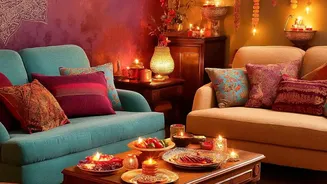
The eclectic style feels natural in India, a country that has always embraced diversity in its culture, art, and traditions. Historically, Indian homes were not designed in one go. They evolved over time, with furniture and objects being added generation after generation. This new trend is, in many ways, a return to that organic way of building a home. It allows for the integration of traditional Indian craftsmanship—like block-printed textiles, intricate carvings, and metalwork—into contemporary settings. These elements add warmth, character, and a deep sense of cultural connection to modern living spaces.
Embracing a Graceful Imperfection
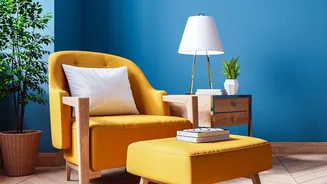
Ultimately, the appeal of a lived-in home lies in its celebration of imperfection. A space that feels too pristine can also feel sterile and unwelcoming. The small signs of daily life—a stack of books by a chair, a slightly askew rug, or the gentle wear on a beloved wooden table—are what make a home feel human and alive. This design philosophy prioritizes daily comfort and usability over a hypothetical ideal. It's about creating a sanctuary that reflects your journey and personality, a space that is not just beautiful to look at, but feels genuinely good to live in.