



Why Focus on Fibre?
Before we raid the pantry, let's understand what we're looking for. Dietary fibre is a type of carbohydrate found in plant-based foods like grains, fruits, vegetables, and legumes. Unlike other carbs, it isn't easily digested, which is actually a good
thing. It helps maintain regular bowel movements, keeps you feeling full longer, can help regulate blood sugar levels, and may lower cholesterol. Many traditional Indian diets were naturally high in fibre, but modern habits like using refined flours (maida) and polished rice have reduced our intake. The goal is to bring fibre back to the centre of the plate.
Upgrade Your Grains and Flours
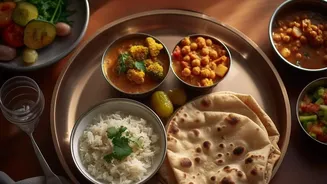
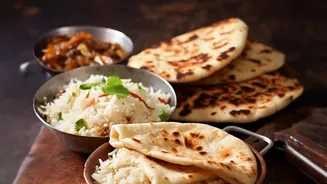
This is one of the easiest and most impactful swaps. Instead of relying solely on refined white rice and maida, diversify your grain intake. A simple first step is to choose whole wheat atta over refined flour for chapatis and parathas. Take it a step further by mixing other flours into your regular atta. Adding jowar (sorghum), bajra (pearl millet), or ragi (finger millet) flour not only boosts fibre but also introduces a new layer of flavour and nutrients. When it comes to rice, consider swapping white rice for brown or red rice in your daily meals. If your family is resistant, start by mixing them half-and-half.
Make Room for Mighty Millets
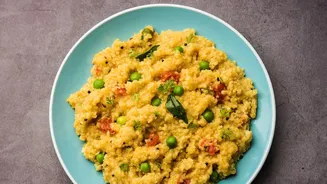
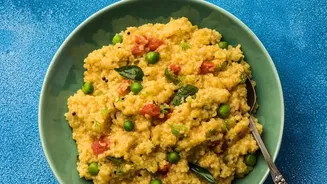
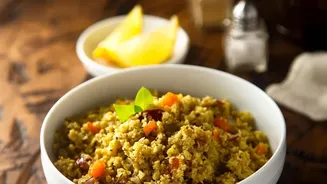
Millets are ancient grains that are making a huge comeback, and for good reason. They are naturally gluten-free and packed with fibre, protein, and other micronutrients. They are also incredibly versatile. You can cook millets like foxtail millet (kangni) or barnyard millet (samak) just like rice and serve them with dal or sabzi. They work wonderfully in dishes like pulao, khichdi, and upma. Using millet flours, like ragi, to make dosas or porridge is another excellent way to incorporate them into your diet.
Lean into Legumes and Pulses
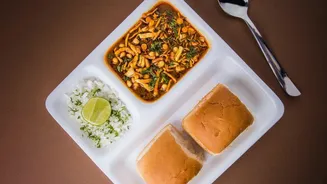
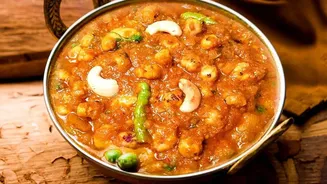
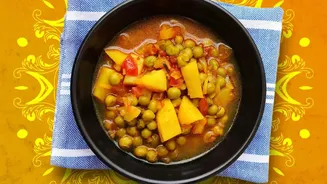
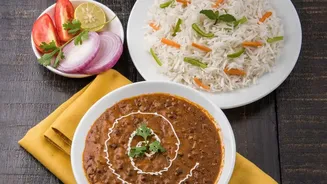
Lentils, beans, and chickpeas are the foundation of Indian cuisine and are fibre powerhouses. To maximize their benefit, try to use whole pulses (sabut dals) more often than split and skinned versions (dhuli dals), as the skins contain a lot of fibre. For instance, a curry made with sabut masoor or moong is a great choice. Dishes like rajma (kidney beans) and chana masala (chickpeas) are fantastic fibre sources. You can also add boiled beans and chickpeas to salads, stir-fries, and even stuff them into parathas for a filling and fibrous meal.
Supercharge with Seeds and Nuts
A small addition of seeds and nuts can significantly increase your fibre intake. Almonds, walnuts, pistachios, and peanuts are all great options for healthy snacking. Seeds like flax (alsi), chia, sesame (til), and pumpkin are nutritional dynamos. A simple trick is to make a powder of roasted mixed seeds and sprinkle a spoonful over your dal, yogurt, smoothies, or sabzi. This adds fibre, healthy fats, and protein with almost no effort and without changing the taste of the main dish.
Don't Forget Fresh Produce
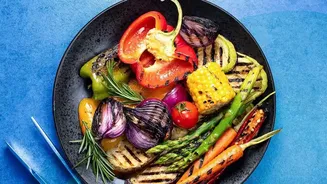
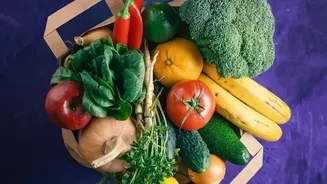
While we're focused on the dry pantry, your refrigerator is also a source of fibre. Fruits and vegetables are essential. Aim to fill half your plate with vegetables at lunch and dinner. Vegetables like bhindi (okra), green peas, carrots, and leafy greens are all good sources. When it comes to fruit, eating the whole fruit is always better than drinking juice, as the pulp and skin contain the fibre. Fruits like guava, apples, bananas, and papaya are excellent, easily available choices.