








The Problem Hiding in Your Bin
Let's talk about trash. Specifically, the wet waste from our kitchens—vegetable peels, leftover rice, tea leaves, and fruit cores. In India, food waste makes up a significant portion of the mountains of garbage piling up in our city landfills. When this
organic matter gets buried under layers of plastic and other junk, it rots without air, releasing methane—a greenhouse gas far more potent than carbon dioxide. It’s a huge environmental problem that starts with something as small as a banana peel. But the solution can be just as small. By redirecting this waste, you are not just cleaning your own bin; you are actively fighting climate change and helping manage our country's urban waste crisis from your own home.
Meet Composting: Nature's Recycling
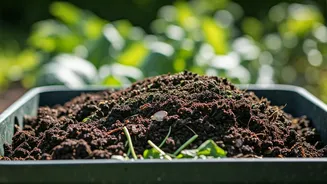
Composting is simply nature's way of recycling. It’s the process of breaking down organic waste into a rich, dark, soil-like material packed with nutrients. Think of it as giving back to the earth what came from it. Instead of sending your kitchen scraps on a one-way trip to the landfill, you can transform them into 'black gold'—an incredible, free fertilizer for your houseplants, balcony garden, or community park. It's a closed-loop system that reduces your carbon footprint, lessens the burden on municipal services, and leaves you with a tangible, positive product. It’s not a new invention, but in our modern urban lives, it’s a revolutionary act.
Choose Your Composting Adventure
Getting started is easier than you think, even if you live in a small apartment. There are several methods, but here are three popular choices for Indian homes: 1. **The Terracotta Pot (Khamba) Method:** This is the classic for a reason. You use a stackable terracotta pot system. You fill the top pot with kitchen scraps layered with 'dry' materials like dried leaves, sawdust, or coco-peat. Once full, you let it sit and start on the next pot. By the time you fill the last pot, the first one will have turned into rich compost. It’s aesthetically pleasing and great for balconies. 2. **Vermicomposting (Worm Power):** This method uses earthworms to break down your food scraps. Don't worry, they are special composting worms that live in a designated bin and are incredibly efficient. It's a fantastic option for smaller spaces, produces no smell when done correctly, and is a great science lesson for kids. The resulting 'vermicompost' is one of the most nutrient-rich fertilizers you can get. 3. **Bokashi (The Indoor Option):** If you have no outdoor space, Bokashi is for you. This Japanese method uses a special bran inoculated with microbes to pickle, or ferment, your kitchen waste in an airtight bucket. The process is fast (about two weeks) and handles things other methods can't, like dairy and meat (though it's best to start with veggies). The fermented matter then needs to be buried in soil to fully decompose, so you'll need access to a garden or community plot for the final step.
Your Simple Yes/No List
To keep your compost pile healthy and odour-free, you need a good balance. Think of it as a diet. Here’s a quick guide: **YES, add these (Greens & Browns):** * Vegetable and fruit peels and cores * Tea leaves and coffee grounds * Eggshells (crushed) * Dry leaves, twigs, and cardboard (torn up) * Coco-peat or sawdust **NO, keep these out:** * Meat, fish, and bones (can attract pests and smell) * Dairy products (cheese, milk) * Oily or greasy foods * Plastics, metals, or glass * Diseased plants
But Won't It Smell?
This is the number one fear, and it's a valid one! But a healthy compost pile shouldn't smell bad; it should smell earthy, like a forest floor. If you notice a foul odour, it’s a sign that something is off-balance. The usual culprit is too much 'wet' waste (the greens) and not enough 'dry' waste (the browns). The fix is simple: add more dried leaves, sawdust, or torn-up cardboard to absorb the excess moisture and introduce air pockets. Regular turning or mixing also helps aeration and prevents bad smells. With a little practice, you’ll find the right balance for a happy, smell-free compost bin.