





The Midnight Feast Goes Mainstream
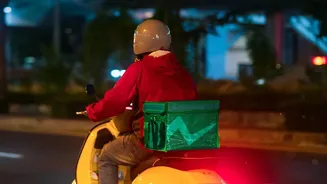
Not long ago, finding a hot meal after 11 PM was a challenge in most Indian cities. Today, it’s a booming business. Food delivery platforms have seen their late-night order volumes double over the past year, with a significant surge in orders placed between
11 PM and 3 AM. This isn't just a fleeting trend driven by special occasions or sporting events; it has become a firm part of the urban routine. Major food delivery apps report that ordering between midnight and 2 AM is now a mainstream activity, signaling a fundamental change in India's eating schedules. The traditional 9 PM dinner is increasingly being replaced by meals consumed much later, reflecting altered sleep patterns, especially among younger consumers who are often awake until 2 or 3 AM.
The Night Owls: Who's Ordering and From Where?
The primary drivers of this after-dark dining boom are young professionals, students, and corporate employees working extended hours. Data shows that a significant percentage of office employees order food after 10 PM, a trend that reflects the evolving nature of the modern workplace. While metropolitan hubs like Bengaluru, Hyderabad, Mumbai, and Delhi-NCR lead in sheer order volume, the night economy is rapidly expanding beyond them. Tier-2 and Tier-3 cities such as Lucknow, Jaipur, Surat, Patna, and Ahmedabad are showing strong double-digit growth in late-night orders, indicating a nationwide shift. This growth is not just in frequency but also in the size of orders, pointing to a deeper integration of food delivery into the social and professional fabric of emerging urban centres.
Anatomy of a Late-Night Craving
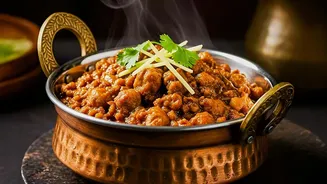
So, what are Indians craving in the wee hours? Comfort food reigns supreme. According to data from major platforms, pizzas and burgers are consistent top choices for late-night orders. Chicken burgers, in particular, have been singled out as a favourite item for orders placed between midnight and 2 AM. The ever-popular biryani, a bestseller during all hours, also remains a go-to choice for a substantial late-night meal. Beyond these staples, comfort snacks like Maggi, rolls, and fries are in high demand, often paired with desserts like chocolate cake or ice cream. Interestingly, while fast food dominates, traditional favourites like Masala Dosa also feature prominently, especially in cities like Bengaluru.
Why the Night-Time Economy is Booming
Several factors are fuelling this transformation. The rise of flexible work schedules and a persistent work-from-home culture has blurred the lines between day and night for many professionals. This, combined with the explosive growth of at-home entertainment and streaming services, has created a captive audience for late-night meals. The convenience of ordering via an app is a powerful driver in fast-paced urban lives where time is a premium. People living away from home for work or education, a growing demographic in Indian cities, also rely heavily on these services, moving from occasional use to habitual ordering. This cultural shift is turning food delivery from a simple convenience into an integral part of modern Indian lifestyles.
An Ecosystem That Never Sleeps
The surge in nocturnal demand has catalysed an entire ecosystem built to operate after dark. Restaurants and major fast-food chains like McDonald's and Domino's are extending their operating hours, with some outlets now serving until 3 AM or even around the clock. This has also propelled the dramatic growth of cloud kitchens, or delivery-only restaurants, which can cater to late-night demand without the overheads of a traditional dine-in space. These 'ghost kitchens' have become the backbone of the late-night delivery market. This trend is further supported by the expansion of quick-commerce platforms, which facilitate the delivery of snacks and packaged foods, with many of their 'dark stores' now operating 24/7 to meet the demand.