


Meet the Millets: A Quick Introduction
Millets are not one single grain but a family of small-seeded grasses that have been a staple in India for centuries. They are naturally gluten-free, rich in fibre, and packed with nutrients. You may already be familiar with some of them by their local
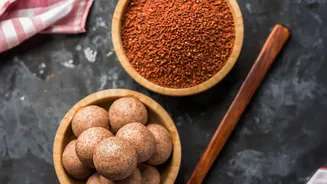
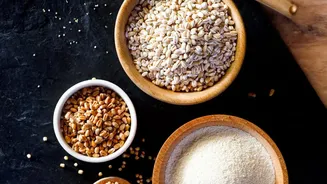
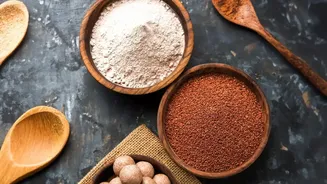
names: Jowar (Sorghum), Bajra (Pearl Millet), and Ragi (Finger Millet) are commonly used as flours. Others, which are great to cook as whole grains, include Foxtail millet (Kangni), Little millet (Kutki), and Barnyard millet (Samak). Don't feel overwhelmed by the variety; the key is to start with one or two and get comfortable before exploring more.
Your First Millet: Which One to Choose?
For your first foray into cooking whole millets, think of them as a simple substitute for rice. The easiest and most forgiving types for beginners are Foxtail millet (Kangni) and Little millet (Kutki). They have a mild, nutty flavour and cook up into a light, fluffy texture that is very similar to rice or couscous, making them incredibly versatile. You can find them at most grocery stores or online. Look for hulled, whole grains for the best results.
The Golden Rule: Rinse and Soak
This is the most critical step that beginners often miss. Soaking millets before cooking is essential for several reasons. It helps to break down phytic acid, an anti-nutrient that can interfere with mineral absorption. Soaking also softens the grain, leading to a much better texture, and significantly reduces cooking time. Before soaking, give the millets a thorough rinse under running water until the water runs clear to remove any dust or debris. For small millets like Foxtail or Little millet, a soak of 30 minutes to two hours is sufficient. For larger grains like Jowar or Bajra, a longer soak of 6-8 hours is recommended. Always discard the soaking water before cooking.
The Basic Water Ratio
The most common mistake when cooking millets is using the wrong amount of water, which can result in a mushy or undercooked dish. While every millet can vary slightly, a great starting ratio for a fluffy, rice-like texture is 1 part millet to 2 or 2.5 parts water. So, for one cup of soaked and drained Foxtail or Little millet, you would use two cups of water. If you prefer a creamier, porridge-like consistency, you can increase the water to a 1:3 ratio. It's a good idea to check the package instructions, but this general rule is a reliable starting point.
Cooking Method 1: The Stovetop Pot
This is the most straightforward method. In a heavy-bottomed pot, bring your measured water (e.g., 2 cups for 1 cup of soaked millet) to a rolling boil. Add the soaked and drained millet and a pinch of salt. Give it one stir, then reduce the heat to a low simmer, cover the pot with a tight-fitting lid, and let it cook. Avoid the temptation to stir it frequently, as this can make it mushy. Most small millets will be cooked in 15-20 minutes, or once all the water has been absorbed. After cooking, turn off the heat and let it rest, still covered, for 5-10 minutes. This allows the grains to firm up. Finally, fluff with a fork and serve.
Cooking Method 2: The Pressure Cooker
For many Indian homes, the pressure cooker is a kitchen essential, and it works wonderfully for millets. Use the same 1:2 ratio of soaked millet to water. Place the soaked, drained millet and water in the pressure cooker. You can also add a few drops of oil or ghee to prevent sticking and give the grains a nice sheen. Close the lid and cook on medium heat for 2-3 whistles. Let the pressure release naturally. Forcing it open can result in broken grains. Once the pressure is gone, open the lid and gently fluff the millet with a fork.
How to Enjoy Your Perfectly Cooked Millet
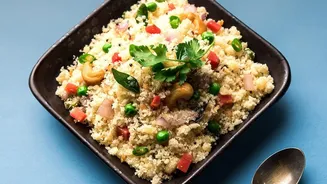
Congratulations, you've cooked millet! Now, how do you eat it? The easiest way is to use it exactly as you would use rice—serve it alongside dal, sabzi, or curry. Its neutral taste makes it a perfect canvas for other flavours. You can also use cooked millet to make a simple upma by sautéing it with onions, vegetables, and spices. Another great option is a breakfast porridge; just cook the millet with more water or milk until creamy and top with fruit and nuts. Once you're comfortable, you can explore using it in salads, khichdi, and even as a binder for veggie patties.