




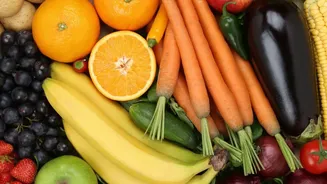
Oranges: The Nagpur Superstar
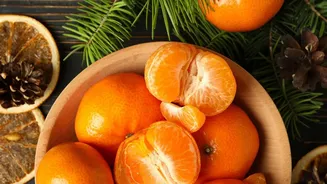
Nothing says winter quite like peeling a bright orange in the afternoon sun. While grown in several regions, the Nagpur santra is legendary, giving the city its 'Orange City' moniker. The main harvest begins in December, flooding markets with sweet, juicy
citrus packed with immunity-boosting Vitamin C. These fruits are a winter staple across the country for their refreshing taste and instant energy. The season generally has two crops, the Ambia Bahar (harvested around November-December) and the Mrig Bahar (harvested around February-March), ensuring a steady supply through the cooler months. The winter crop is particularly prized for its balance of sweet and tart flavours.
Guava: The Fragrant Winter Gem
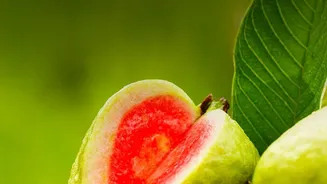
Guava, or amrood, is a humble fruit that reaches peak perfection in winter. While available for much of the year, the winter crop is known to be the best quality—crisper, more fragrant, and intensely flavourful. Uttar Pradesh is a major producer, with the Allahabad region, now Prayagraj, famous for its superior varieties like the white-fleshed Allahabad Safeda and the stunning pink-hued Surkha. Rich in dietary fibre and containing more Vitamin C than oranges, guava is fantastic for digestion and immunity. It is enjoyed simply sliced with a sprinkle of salt and chilli, or juiced. Its season typically peaks from November to January.
Amla: The Tangy Superfood
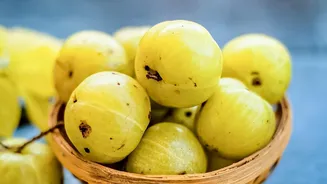
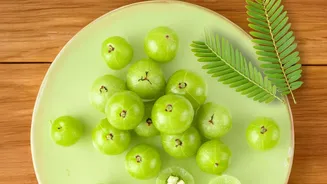
The Indian Gooseberry, or amla, is a true winter powerhouse. These small, translucent green globes appear in markets from October to February, with the peak season falling between November and January. Revered in Ayurveda for centuries, amla is one of the most potent natural sources of Vitamin C, containing as much as 20 oranges. Its intensely sour and astringent taste means it's often not eaten raw but is used to make pickles, murabba (sweet preserve), juices, and chutneys. Primarily grown in states like Uttar Pradesh, it's a staple in Indian households for warding off winter colds and boosting overall vitality.
Custard Apple: The Creamy Delicacy
Sitaphal, or custard apple, is a fruit worth waiting for. With its lumpy green skin and incredibly sweet, creamy white pulp, it tastes like a natural dessert. Its peak season is relatively short, running from the post-monsoon months through early winter, generally from September to February. Maharashtra is the leading producer of this delicate fruit, which is also grown across Gujarat, Madhya Pradesh, and several southern states. Rich in vitamins and minerals, sitaphal is a great source of energy. The trick is to let it ripen at room temperature until it feels soft to the touch before scooping out the delicious pulp and discarding the black seeds.
Pomegranate: The Ruby Jewels of Winter
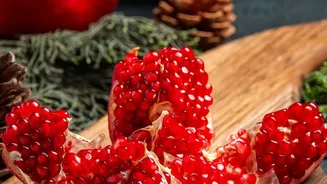
Pomegranates, or anar, with their gem-like seeds, are another highlight of the Indian winter. While some varieties are available year-round, the peak season for the best quality fruit runs from September to February. States like Maharashtra, Karnataka, and Gujarat are major producers of this antioxidant-rich fruit. Pomegranates are celebrated for their health benefits, including being good for heart health and helping to boost haemoglobin levels. The juicy, ruby-red arils are perfect for adding a pop of colour and nutrition to salads, yoghurt bowls, or just for eating on their own.
Apples: The Crisp Himalayan Harvest
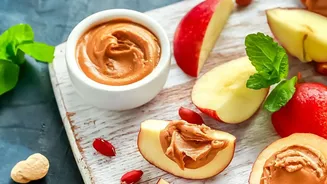
While apples are available for a long time thanks to cold storage, the fresh harvest from the Himalayan states of Himachal Pradesh, Jammu & Kashmir, and Uttarakhand arrives in autumn and lasts through the winter months. This is when you'll find the crispest, juiciest, and most flavourful apples in the market. Varieties like the Red Delicious and Golden Delicious from these northern regions are particularly popular. Apples are a fantastic source of fibre and are a versatile winter fruit, perfect for snacking, baking into pies, or cooking down into a warm compote.