
More Than Just Trace Amounts
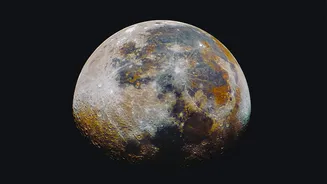
For decades, scientists debated whether the Moon was bone-dry. Apollo-era samples suggested it was, but a series of discoveries starting in 2008 began to change that picture. First, probes detected hydrogen, a component of water. Then, in 2018, data from
NASA's Moon Mineralogy Mapper (M3) instrument aboard India's Chandrayaan-1 orbiter provided the first direct evidence of water ice on the surface in the darkest, coldest parts of the Moon. While earlier findings confirmed water's presence, recent, more advanced mapping efforts are providing a clearer picture of its concentration. These new maps suggest the ice is not just a thin frost but potentially exists in significant, concentrated deposits mixed with lunar soil, or regolith, within these craters.
Seeing in the Dark with Infrared
So how do scientists find water in places that never see sunlight? The key is infrared light. Instruments like NASA’s Stratospheric Observatory for Infrared Astronomy (SOFIA), a telescope on a modified 747 jet, can detect the unique signature of water molecules. By measuring how the lunar surface absorbs or reflects specific infrared wavelengths, scientists can distinguish water (H2O) from its chemical cousin hydroxyl (OH). Missions like India's Chandrayaan-2, equipped with advanced radar, and NASA instruments on South Korea's Danuri orbiter are creating even more detailed maps by peering into the shadows. These tools can analyze faint, reflected light—sometimes just Earthshine bouncing into a crater—to gauge the brightness and texture of the crater floor, looking for the tell-tale signs of ice.
The Moon’s Natural Deep Freeze
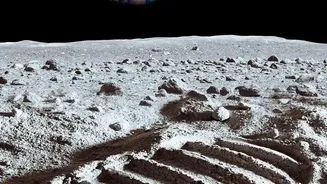
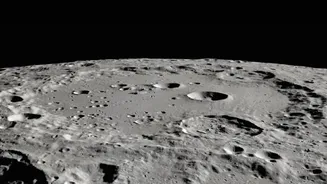
The water is concentrated in what are known as Permanently Shadowed Regions (PSRs). These are craters near the Moon's poles where the angle of the sun is so low that the crater floor has not seen direct sunlight in potentially billions of years. Temperatures in these 'cold traps' can plummet below -160 degrees Celsius. At these frigid temperatures, any water that arrived—perhaps delivered by impacting comets or created by solar wind interacting with the soil—remains frozen in time instead of evaporating into space. Studies suggest the oldest and darkest craters are the most likely candidates to hold significant ice deposits, having accumulated them steadily over billions of years.
A Crucial Resource for Lunar Settlers
The presence of concentrated water ice is a game-changer for human exploration. The cost and difficulty of launching materials from Earth are enormous, so the ability to use local resources—a concept called In-Situ Resource Utilization (ISRU)—is essential for any long-term presence on the Moon. Water ice can be melted for drinking water and used to cool equipment. More importantly, it can be broken down into its component elements: oxygen for breathing and hydrogen for rocket fuel. This would not only support a lunar base but could also turn the Moon into a refueling station for more ambitious missions to Mars and beyond.
What Comes Next: From Maps to Drills
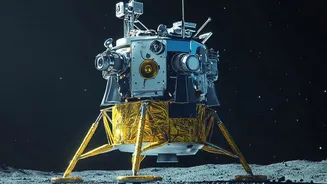
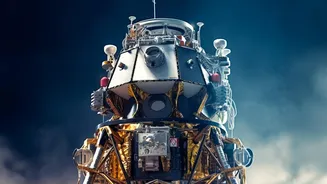
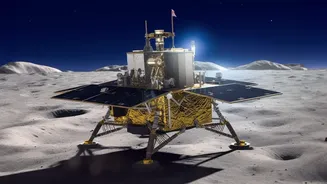
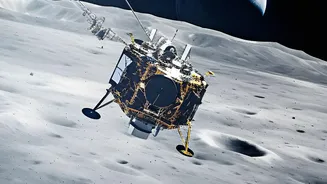
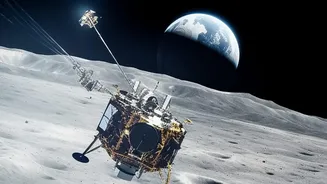
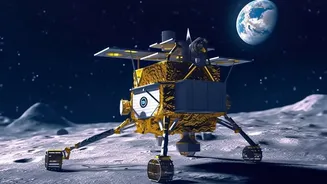
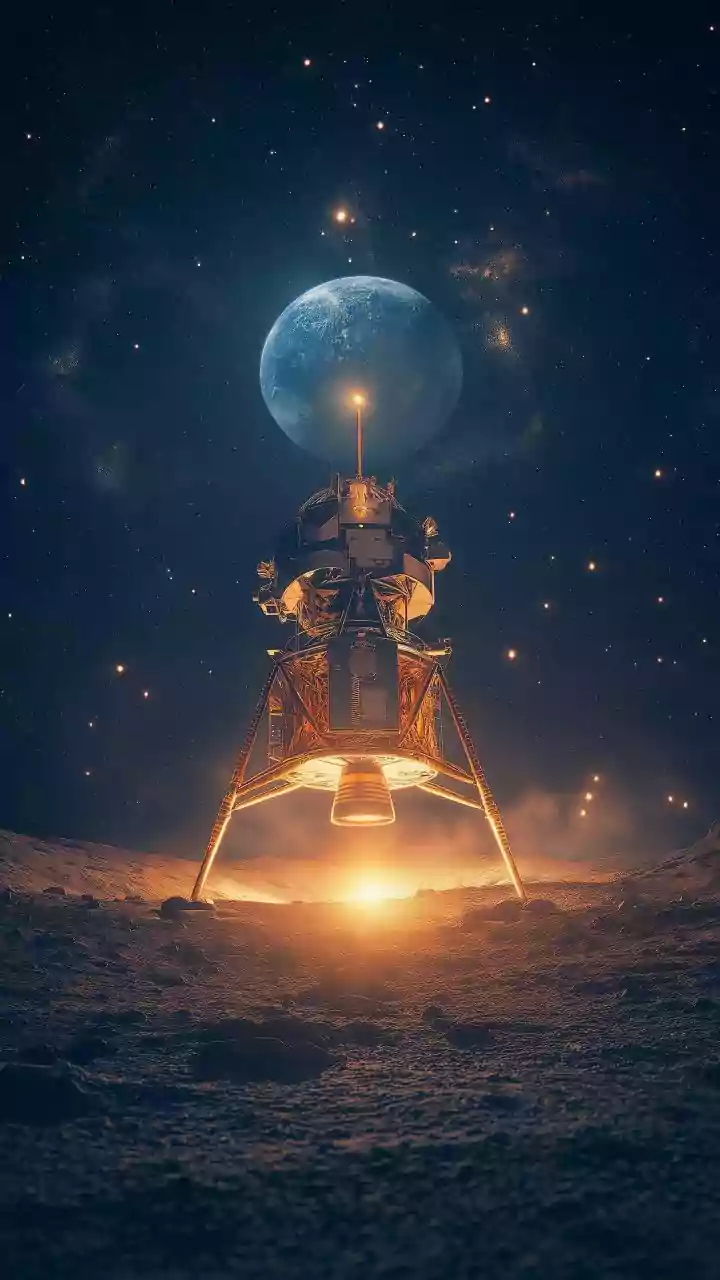
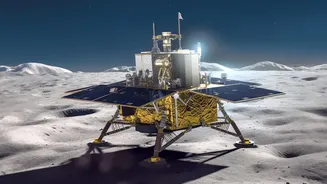
These maps are essentially treasure maps for water on the Moon. The next step is to go there and confirm the deposits firsthand. China's Chang'e-7 mission, planned for 2026, aims to send a hopping probe directly into a shadowed crater to search for ice. NASA, through its Artemis program, also has its sights set on the lunar south pole. Although the VIPER rover mission to prospect for ice has faced revisions, the goal remains to land astronauts in the region to sample these volatile resources. Future missions will involve drilling into the regolith to understand the depth and purity of the ice, paving the way for eventual extraction and processing.