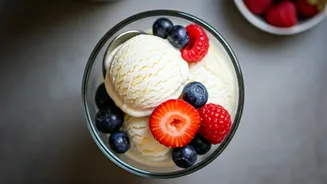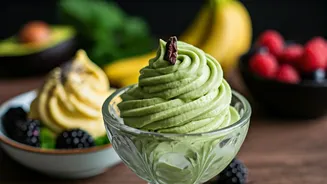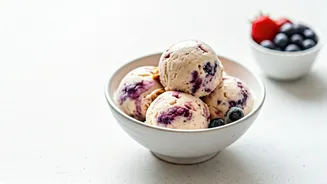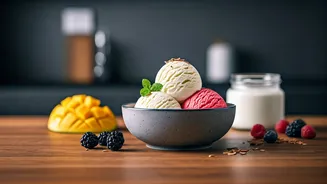





Understanding the Role of Sugar
In traditional ice cream, sugar does more than just add sweetness. It’s a crucial component for texture, acting as a secret weapon against iciness. Sugar lowers the freezing point of the water in the ice cream base, which prevents large, crunchy ice crystals
from forming. This results in the smooth, scoopable consistency we all love. It also adds body and firmness, contributing to a satisfying mouthfeel. When we remove refined sugar, our primary challenge is to replicate these textural benefits using healthier, natural alternatives without creating a solid, frozen block. The key is to understand how different ingredients can work together to achieve that perfect creamy result.
Your Natural Sweetener Toolkit
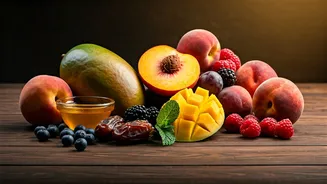
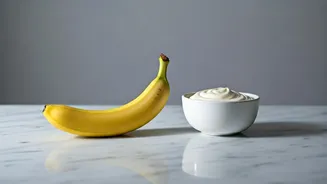
There is a wonderful world of natural sweeteners that can replace refined sugar while adding their own unique flavors and nutritional benefits. Ripe fruits are a fantastic starting point. Frozen bananas, when blended, create an incredibly creamy and naturally sweet base, often called "nice cream". Medjool dates, once soaked and blended, provide a rich, caramel-like sweetness and a smooth texture. Liquid sweeteners like pure maple syrup and raw honey also work beautifully, lending their distinct flavor profiles to the final product. For those seeking zero-calorie options, plant-based sweeteners like stevia and monk fruit extract are excellent choices, though they are best used in combination with other ingredients to ensure a balanced flavor without any aftertaste.
The Secret to Creaminess: Healthy Fats
To achieve a luxuriously creamy texture without the high sugar content, healthy fats are your best friend. Full-fat canned coconut milk is a game-changer, providing a rich, decadent base that’s perfect for vegan and dairy-free ice creams. The high fat content helps to inhibit ice crystal formation, similar to how sugar functions. Another brilliant technique is to incorporate ingredients like soaked raw cashews, which can be blended into a smooth cream. Nut butters, such as almond or cashew butter, not only add flavor but also contribute healthy fats and protein, enhancing the creamy texture. Even a ripe avocado can be blended into a chocolate or vanilla base to add incredible creaminess without a noticeable flavor.
A Foolproof Base for Endless Flavors
Here is a simple, customizable base recipe to get you started. In a blender, combine two cans of chilled, full-fat coconut milk (use only the thick cream part that separates at the top) with a half-cup of your chosen natural sweetener, such as maple syrup or a paste made from 8-10 soaked dates. Add a teaspoon of pure vanilla extract and a pinch of salt to enhance the flavors. Blend on high until the mixture is completely smooth and uniform. This base is now ready for an ice cream maker. Simply pour it in and churn according to the manufacturer’s instructions, which typically takes 20-30 minutes. For a no-churn method, pour the mixture into a loaf pan, cover it, and freeze for at least four hours, stirring vigorously every hour to break up ice crystals.
Flavoring Your Healthy Creation
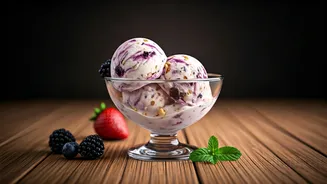
Once you have mastered the base, the creative possibilities are endless. For a rich chocolate ice cream, blend in a quarter-cup of unsweetened cocoa or cacao powder. For a fruity twist, swirl in a puree of fresh or frozen berries like strawberries or raspberries after churning. Be mindful that fruits contain water, which can lead to iciness if not prepared correctly; cooking them down into a jam-like consistency first can help. Other simple additions include chopped nuts, sugar-free chocolate chips, or a dash of peppermint or coffee extract. Don't be afraid to experiment with different combinations to discover your signature healthy ice cream flavor.