






Vitrified Tiles: The Practical Powerhouse
Vitrified tiles are a favourite for Indian homes for good reason. Made from a mix of clay, silica, and quartz baked at high temperatures, these tiles are non-porous and incredibly strong. This means they don't absorb water, making them perfect for wet
entryways. Their durability ensures they can handle the heavy foot traffic that foyers experience. They are also resistant to stains and scratches, so you can wipe away mud and grime day after day without worrying about dulling the finish. Available in a vast range of colours, patterns, and finishes—including matte, gloss, and anti-skid—vitrified tiles offer a versatile solution that balances cost, durability, and aesthetics. An anti-skid or matte finish is particularly wise for an entrance to prevent slips and falls on a wet surface.
Natural Stone: Timeless and Tough
For a touch of elegance combined with rugged performance, natural stone like granite is an excellent choice. Granite is one of the hardest natural stones and is highly resistant to scratches and moisture, making it ideal for busy entryways. It stands up well to outdoor conditions and keeps interiors cool, a bonus in India's varied climates. While materials like marble also offer a luxurious look, they are more porous and may require more frequent sealing to prevent stains and water penetration. The primary considerations for natural stone are its higher upfront cost and the need for regular maintenance, such as sealing, to maintain its resilience against stains. But for those who prioritise long-lasting strength, the investment pays off in a floor that endures for decades.
Vinyl Flooring: The Resilient Contender
Often overlooked, modern vinyl flooring is a highly practical and stylish option. Luxury Vinyl Tile (LVT) and vinyl planks are 100% waterproof, making them champions in high-moisture areas. Composed of PVC, vinyl is resistant to stains and can handle heavy foot traffic with ease. It's also softer and warmer underfoot compared to tile or stone. Recent advancements in printing technology mean vinyl is available in highly realistic wood and stone finishes, so you don't have to sacrifice aesthetics for performance. It’s generally more affordable and easier to install than natural stone or high-end tiles, sometimes even being laid over an existing floor. This makes it a great choice for a quick, durable, and budget-conscious entryway upgrade.
The First Line of Defence: Doormats
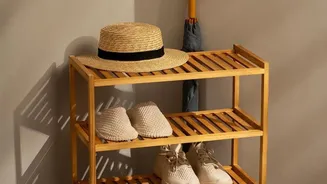
Regardless of your flooring material, a good doormat is your best friend during the monsoon. Placing a high-quality, absorbent mat both outside and inside your entryway can trap the majority of water and dirt before it ever touches your floors. A sturdy coir or rubber mat outside can scrape off mud, while a super-absorbent, washable mat inside can catch any remaining moisture. This simple, two-mat system dramatically reduces the amount of cleaning your floors will need. Consider adding a boot tray or an elegant umbrella stand nearby to further contain the mess from wet rain gear, protecting your floors from puddles that can cause damage over time.
Maintenance Is Key
Even the toughest materials benefit from proper care. During the rainy season, it's best to sweep or vacuum entryways frequently to remove abrasive grit that can scratch surfaces. When wiping up muddy water, blot the spill immediately with a dry cloth rather than rubbing, which can spread the dirt. Use a pH-neutral cleaner for mopping to protect the floor's finish and, in the case of tile, the grout. For porous materials like natural stone or cement-based grout, ensure they are properly sealed before the monsoon begins. This protective layer prevents water and grime from seeping in and causing lasting stains.