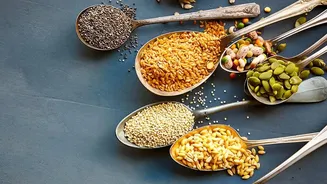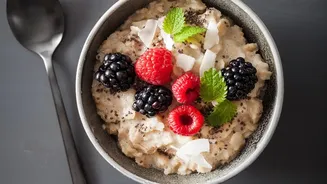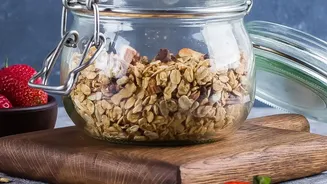




Starting your day with a balanced, whole-grain breakfast is key for diabetes management. Adding a sprinkle of the right seeds can elevate it further, providing fibre, healthy fats, and protein to help stabilise blood sugar and keep you full.
1. Chia Seeds: The Fibre Powerhouse
Chia seeds
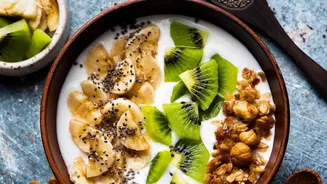
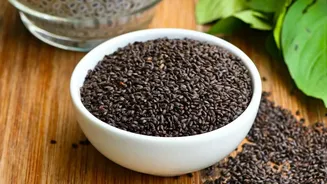
are tiny nutritional giants, celebrated for their incredibly high fibre content. When mixed with liquid, they form a gel that slows down digestion. This process helps prevent sharp spikes in blood sugar after a meal by ensuring a more gradual release of glucose into the bloodstream. They are also a great source of plant-based omega-3 fatty acids, which support heart health—a crucial factor in diabetes care. Their low glycemic index makes them an excellent choice. For a simple morning boost, stir a tablespoon of chia seeds into a bowl of daliya or oats, letting them sit for a few minutes to soften. They also blend seamlessly into smoothies or can be used to make a simple, overnight chia pudding with unsweetened yoghurt.
2. Flax Seeds: An Omega-3 and Lignan Boost
Flax seeds, or 'alsi', are another powerful ally for blood sugar control. They are packed with soluble fibre, which helps slow sugar absorption and promotes a feeling of fullness, aiding in weight management. What makes them unique is their high concentration of lignans, which are plant compounds with strong antioxidant properties that may improve insulin sensitivity. To get the most benefit, it's best to consume flax seeds in their ground form, as the whole seeds can pass through the digestive system intact. Sprinkle a spoonful of ground flaxseed over a bowl of savoury oats, mix it into the batter for a moong dal chilla, or blend it into a breakfast smoothie. Their mild, nutty flavour complements most dishes without overpowering them.
3. Pumpkin Seeds: A Magnesium Mainstay
Pumpkin seeds, also known as pepitas, are more than just a crunchy snack; they are a fantastic source of magnesium. This mineral is vital for over 600 bodily functions, including regulating blood sugar levels and improving insulin sensitivity. Many people with diabetes have lower magnesium levels, making pumpkin seeds a particularly beneficial addition to their diet. They also provide a healthy dose of protein, fibre, and unsaturated fats, a combination that promotes satiety and stable energy. Lightly roast a handful of unsalted pumpkin seeds and sprinkle them over a bowl of vegetable daliya, oats upma, or even on top of avocado on whole-grain toast for a satisfying crunch.
4. Sunflower Seeds: Rich in Vitamin E
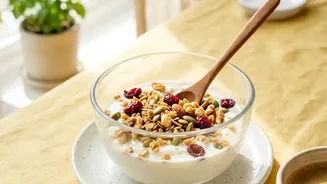
Sunflower seeds offer a wealth of nutrients, including vitamin E, a powerful antioxidant that helps combat inflammation, which is often a concern with diabetes. These seeds have a low glycemic index and are a good source of protein, fibre, and healthy fats, which together help slow down the emptying of your stomach, allowing for a more gradual release of sugar from carbohydrates. Studies suggest that daily consumption of sunflower seeds may help reduce fasting blood sugar over time. Their mild flavour makes them versatile. Add a tablespoon of unsalted sunflower seeds to homemade granola, sprinkle them over a bowl of poha, or mix them into yoghurt for added texture and nutrients.
5. Sesame Seeds: Flavourful and Low-Carb
Sesame seeds, or 'til', are a staple in Indian cooking and a great choice for a diabetes-friendly diet. They have an extremely low glycemic index and are very low in carbohydrates, meaning they have a minimal impact on blood sugar levels. They are a good source of healthy fats, protein, and fibre, contributing to better overall metabolic health. Sesame seeds also contain magnesium, which is linked to better blood sugar control. Whether you choose black or white sesame seeds, they add a delicious, nutty flavour to breakfasts. Try sprinkling them on a besan chilla, on top of whole-wheat toast with a savoury topping, or mixed into a bowl of curd with other nuts and seeds.