



The Anatomy of Financial Panic
When a large, unexpected bill lands in your lap, your brain can interpret it as a threat to your survival and security. This triggers a stress response, releasing cortisol and making it difficult to think clearly. The primary source of this panic isn't
always the expense itself, but the uncertainty surrounding how you'll pay for it. Questions like 'Where will this money come from?', 'Will I have to borrow from family?', or 'Do I need to take on high-interest debt?' create a cycle of anxiety. This distress can impact your sleep, mood, and overall well-being, turning a practical problem into a significant mental burden.
Your Financial First-Aid Kit
An emergency fund is a stash of money set aside specifically for unforeseen financial challenges. Think of it as a financial first-aid kit for your household. It is not an investment intended for generating wealth; its primary purpose is safety and immediate access (liquidity). This fund is meant for true emergencies like urgent home or car repairs, unexpected medical bills, or a sudden loss of income. It provides a buffer that allows you to handle these situations without derailing your long-term financial goals or resorting to costly debt. Having this safety net in place is one of the smartest things you can do for your financial future.
How Cash on Hand Creates Calm
Having emergency cash ready fundamentally changes the dynamic. When the washing machine floods the floor, knowing you have the funds to cover the repair or replacement short-circuits the panic response. The threat is contained because a solution is already in place. Instead of scrambling and making decisions under duress, you can calmly assess the situation, compare repair quotes, and choose the best course of action. This sense of control is psychologically powerful. You avoid taking on credit card debt, which can compound the problem, or tapping into investments meant for retirement or other long-term goals. The calm feeling that comes from being prepared is often more valuable than the money itself.
How Much Is Enough for an Indian Household?
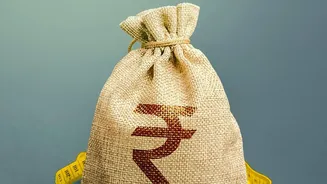
The standard advice is to save three to six months' worth of essential living expenses. This should cover non-negotiable costs like your rent or EMI, groceries, utility bills, insurance premiums, and essential transport. If your job is unstable or you are self-employed, aiming for six to twelve months provides a more robust cushion. A major car service can cost between ₹12,000 and ₹20,000, while even a standard service for a popular hatchback can be around ₹5,000 to ₹7,000. If that six-month target feels overwhelming, don't panic. The most important step is to start. Aim for a smaller, more achievable goal first, like ₹25,000 or one month of expenses. Even a small fund is better than none.
Building Your Fund from Zero
The key to building your fund is consistency. Start by treating your emergency savings as a non-negotiable monthly expense, just like your rent. The best way to do this is to automate it. Set up a recurring transfer from your salary account to a separate savings account right after you get paid. Even a small, regular amount—like ₹3,000 or ₹5,000 a month—adds up significantly over a year. When you receive a bonus or any extra income, commit a portion of it to your emergency fund to reach your goal faster. The habit of saving is more important than the amount when you're just starting out.
Where to Keep Your Emergency Cash
The money needs to be safe and easily accessible. Keeping it all in your primary transaction account can lead to accidentally spending it. A better strategy for Indian savers is a layered approach. Keep one to two months of expenses in a separate, high-yield savings account for instant access via UPI or ATM for immediate crises. For the remainder of your fund (the other two to four months), consider options that offer slightly better returns than a standard savings account but are still liquid. These include liquid mutual funds or a sweep-in Fixed Deposit (FD). Liquid funds invest in short-term instruments and can typically be redeemed within one business day, while sweep-in FDs link to your savings account to offer higher interest on surplus cash. Avoid high-risk investments like stocks for your emergency money.