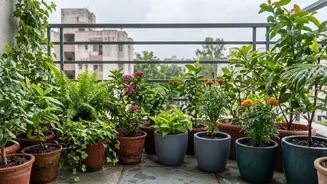







Inspect Your Roof and Terrace
Your home's first line of defence is its roof. Before the rains intensify, it's crucial to conduct a thorough inspection. Start by clearing the terrace or roof of any debris like leaves, twigs, and dust. These can block water drainage and lead to pooling,
giving water time to find and enter small cracks. Pay special attention to the joints where parapet walls meet the roof slab, as these are common points for water entry. Look for any visible cracks, loose shingles, or gaps in the waterproofing. Applying a quality waterproof sealant to minor cracks is a simple and effective preventative measure you can often do yourself. For larger issues or recurring leaks, it is always best to consult a professional waterproofing contractor.
Clear All Drains and Gutters
Blocked drains are a primary cause of waterlogging and subsequent damage during the monsoon. Clogged gutters can cause rainwater to overflow, damaging your walls, fascia, and even the foundation. Make it a point to clean out all drains, including those on your balcony, terrace, and around your property. Remove all leaves, silt, and other obstructions to ensure a clear path for water to flow away from your house. A simple flush with a hose can help you check if the flow is smooth and identify any hidden blockages. Ensure downspouts direct water several feet away from the foundation to prevent water from accumulating near the base of your home.
Check Walls, Windows, and Doors
External walls bear the brunt of driving rain. Look for signs of dampness, peeling paint, or visible cracks. Even hairline cracks can allow significant water seepage over time, leading to damp patches and mould growth inside. Use quality sealants or crack-filling compounds to address these issues. Inspect the seals around your window and door frames. Over time, the caulking can crack or pull away, creating a direct path for rainwater. Re-sealing these gaps is an inexpensive fix that prevents water from ruining your interior walls and floors. For wooden doors and windows that tend to swell, ensure they are properly polished or have a protective coating.
Prioritise Electrical Safety
The combination of water and electricity is a serious hazard during the rainy season. Start by checking all external electrical fittings, ensuring they are properly covered and waterproofed. Any switchboards located on walls that have previously shown dampness should be inspected by a qualified electrician. It's also vital to ensure your home is equipped with a functional Earth Leakage Circuit Breaker (ELCB) or Residual Current Circuit Breaker (RCCB), which can cut off power in case of an accidental leak and prevent shocks. During heavy thunderstorms, it is wise to unplug non-essential electronic devices to protect them from power surges caused by lightning. Never touch switches or appliances with wet hands.
Manage Indoor Humidity and Belongings
High humidity inside the home can lead to musty odours, mould, and damage to your belongings, especially wooden furniture. Try to improve ventilation by using exhaust fans in kitchens and bathrooms and allowing for cross-ventilation when it's not raining. Moving large furniture a few inches away from external walls can prevent moisture from getting trapped and causing damage. Consider using moisture absorbers like silica gel packets in wardrobes and cabinets. Rolling up and storing expensive carpets can protect them from dampness and mould growth; bamboo or plastic mats are a good alternative for the season.