




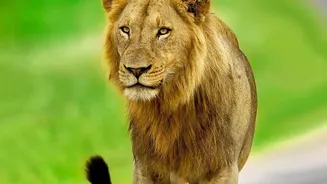
A Second Home After 144 Years
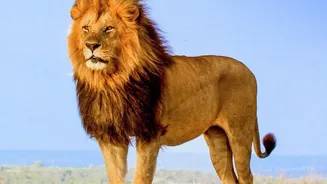
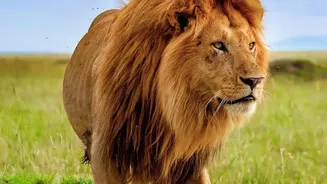
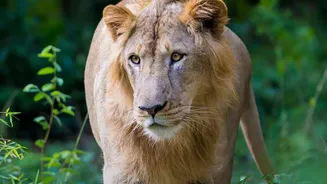
For over a century, the Gir forest has been the only home for the world's last wild population of Asiatic lions. But as that population has grown, the need for a second, separate habitat has become critical to protect the species from threats like disease
outbreaks. The Barda Wildlife Sanctuary, about 100 km from Gir, was identified as a potential second home decades ago. After years of habitat restoration, the natural dispersal of a male lion into Barda in January 2023, followed by the planned introduction of five females, set the stage for a new chapter. By 2025, a small but growing population of 17 lions, including cubs, was recorded in the sanctuary, marking a significant milestone for Project Lion, India's flagship conservation initiative.
What the New Study Observed
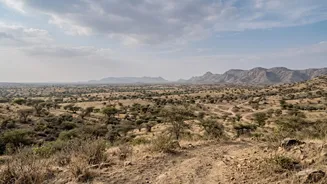
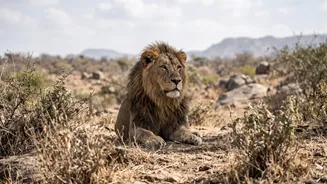
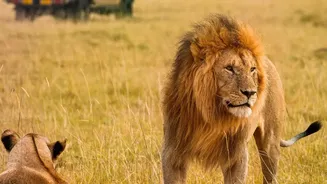
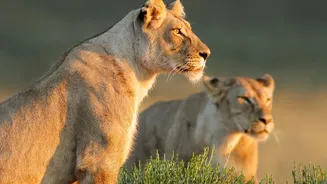
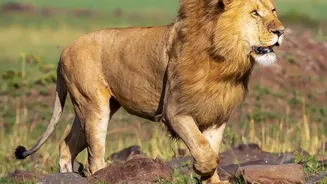
To understand how these pioneering lions were adapting, researchers conducted a study titled 'Beyond Gir: Barda Wildlife Sanctuary as a Potential Stronghold for Asiatic Lions'. They fitted one male and five female lions with radio collars, tracking their every move between January 2023 and July 2025. The study, which collected over 169,000 GPS data points, revealed that the lions were establishing distinct territories, or home ranges, averaging around 70 square kilometres. Their diet primarily consisted of wild pigs and, to a lesser extent, domestic cattle. The lions showed a preference for mixed forests and grasslands, using the varied terrain to their advantage. These initial findings suggest that Barda has the right ingredients to support a long-term lion population.
The 'Small Study' Problem
The headline of the study itself wisely acknowledges its limitations. The research was based on just six radio-collared lions. In wildlife science, a small sample size can be a significant constraint. It is difficult to know if the behaviour of just six individuals is representative of what an entire, larger population would do. Their choices for territory and prey might be unique to them. A different group of lions might behave entirely differently. Furthermore, the study was conducted over a relatively short period. Animal behaviour can change seasonally and over many years, influenced by factors like climate, prey availability, and social dynamics. While this research provides a valuable snapshot, it cannot capture the full, complex picture of lion life in Barda just yet. The authors note these inferences are based on a limited sample and short-term assessment.
Why Scientific Caution is Key
Acknowledging the limits of a study isn't a failure; it's a fundamental part of good science. The danger lies in over-generalising results from a small dataset. For example, while the current lions seem to prefer wild pigs, a larger population might need a more substantial prey base, like spotted deer and sambar, which are still being established in the sanctuary. The study shows an emerging social structure, but how that develops as more cubs grow into adults and form their own prides remains to be seen. These initial findings are a crucial first step, helping to formulate better questions for future research. They guide conservationists on what to look for next, such as the need to manage potential human-lion conflict as the population expands and consumes some livestock.
The Bigger Picture for Barda's Lions
The study on the Barda lions is an exciting and hopeful beginning. It confirms that lions can and are beginning to thrive in their new home. However, it also underscores the need for continued and expanded scientific monitoring. As 'Project Lion' moves forward, long-term research involving a larger number of lions will be essential to truly understand the carrying capacity of Barda, manage its habitat effectively, and mitigate any conflicts with local communities. This initial evidence is a promising first page in a much longer story. The real success will be measured over decades, as Barda grows into a secure and self-sustaining second stronghold for India's magnificent Asiatic lions, safeguarding them for the future.