





Why A Little Proof Goes A Long Way
Whether you are borrowing from a close friend or renting from a large company, the goal is the same: to return the item in the condition you received it, accounting for normal wear and tear. The challenge is that one person's “normal wear” can be another's
“damage.” This is where documentation becomes your best friend. A simple photo or a quick message creates a shared record. It’s not about mistrust; it’s about clarity. For formal rentals, this evidence is crucial for security deposit disputes. For informal loans from friends or family, it prevents awkward conversations and preserves the relationship, which is often more valuable than the item itself.
The Pre-Borrow Photo Shoot
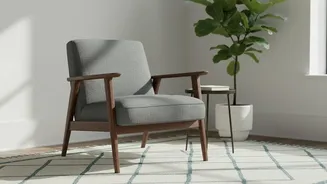
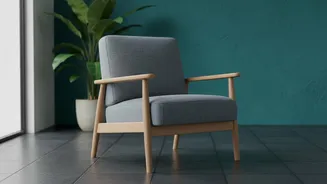
Before an item enters your home, take a few moments to document its condition. This is standard practice in formal rental agreements and a wise habit for informal borrowing. Use your smartphone to take clear, well-lit pictures from multiple angles. Capture wide shots of the entire item, medium shots of specific areas, and close-ups of any pre-existing scuffs, scratches, or marks. It can be helpful to have a date and time stamp enabled on your camera. For informal arrangements, you can send these photos to your friend via WhatsApp with a message like, “Just documenting the condition of the chair before I take it. Thanks again for lending it to me!” This creates an agreed-upon starting point.
Set A Clear Return Date
“I’ll return it soon” is a recipe for conflict. A vague timeline can cause friction, as the lender may need the item back sooner than you realise. When you borrow, be the one to propose a specific return date. If you’re borrowing a drill for a weekend project, state that you’ll return it on Sunday evening. If you’re borrowing extra chairs for a party, agree on a pickup or drop-off time for the next day. For formal rentals, the return date is part of your contract, so mark it in your calendar. Being proactive about the return timeline shows respect for the lender's property and generosity.
Formal Rentals vs. Friendly Loans
The process for renting furniture from a company is more structured than borrowing from a neighbour. Rental agreements should include an inventory list detailing all items and their condition. Read this document carefully before signing and compare it to the actual items. If you see damage that isn't noted, photograph it and inform the company immediately in writing. Ask the company for their definition of “normal wear and tear” to avoid surprise charges later. With friends, the agreement is based on goodwill. A simple text confirming what you’ve borrowed and when you’ll return it is often enough. The key is to treat a friend’s property with even more care than a rental, as the relationship is irreplaceable.
The Art of the Return
When it’s time to return the item, ensure it's in the same or better condition than when you received it. If you borrowed dinnerware, wash it thoroughly. If you borrowed a tool, wipe it clean. Before handing it back, take another quick set of photos, especially of the areas you documented earlier. This “after” evidence confirms you held up your end of the bargain. For rental returns, be present during the final inspection if possible. This allows you to discuss any potential damage assessments on the spot. Having your own 'before' and 'after' photos provides strong evidence in case of a dispute over your security deposit.
What If Something Breaks?
Accidents happen. If you damage a borrowed or rented item, the worst thing you can do is hide it. Address the issue immediately and honestly. Offer to repair or replace the item. If you damage a friend's possession, your willingness to make it right is crucial for the friendship. For rental items, your contract will outline the procedure for damages. It will specify whether you are responsible for repair costs and how they will be deducted from your security deposit. In either scenario, prompt and honest communication is the best path forward to a fair resolution.