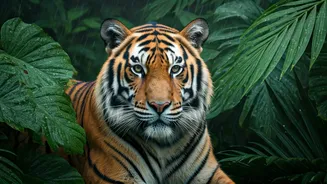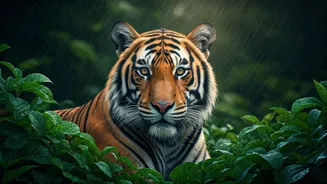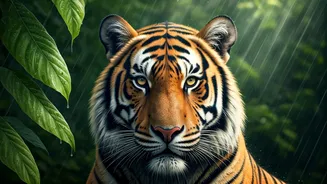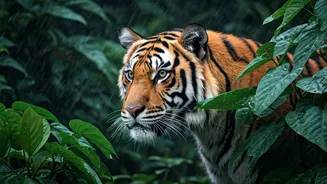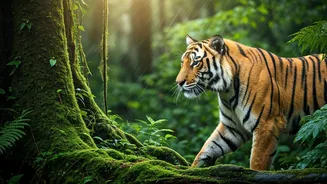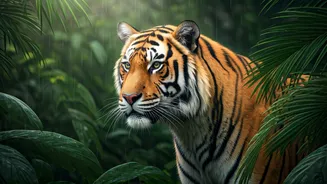



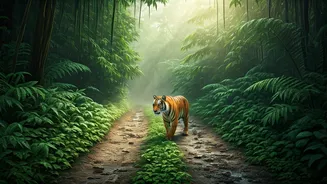
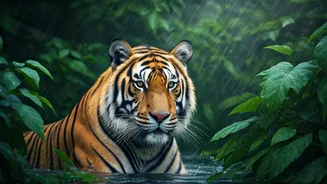
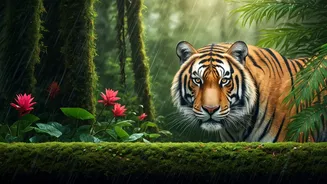


Why a Monsoon Safari?
For years, wildlife tourism in India has been a seasonal affair, shutting down from June to October. The logic was sound: heavy rains make forest tracks impassable and pose risks. But this is changing. Several parks now keep select zones open, revealing
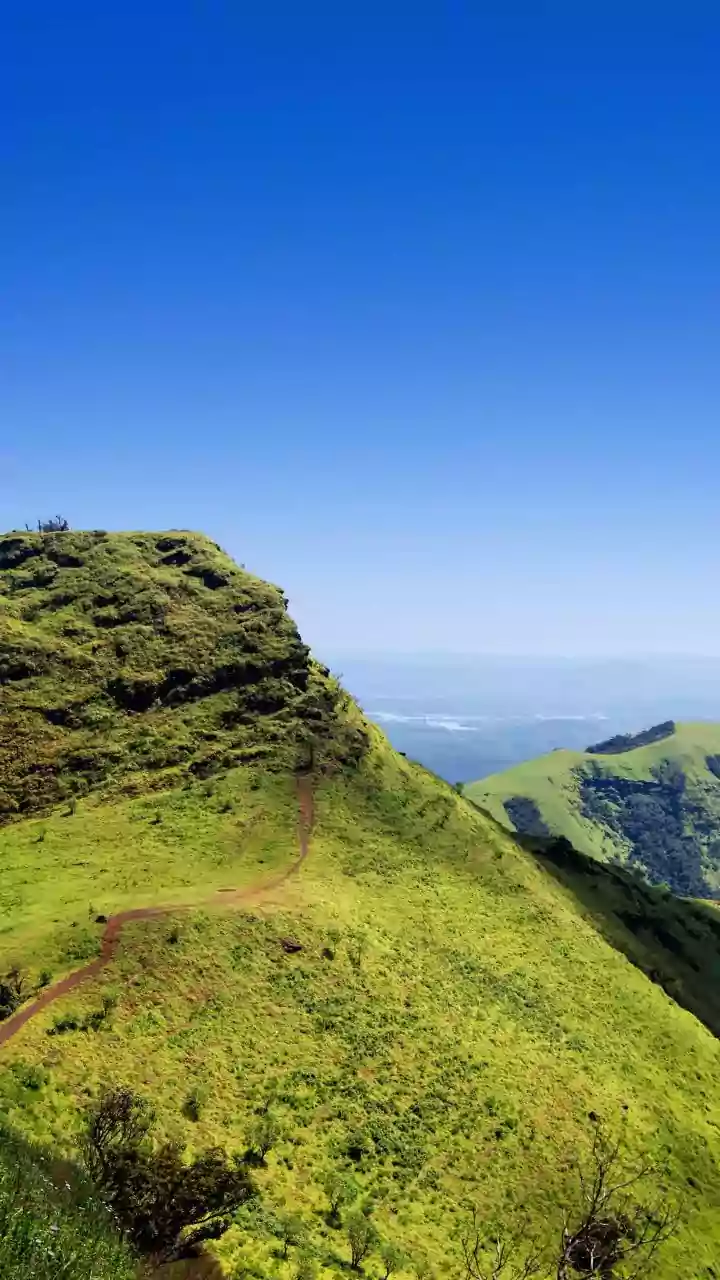
a side of the jungle many have never seen. The dust settles, replaced by a carpet of green. The air is crisp and clean, filled with the scent of wet earth. While tiger sightings can be more challenging due to the dense foliage, the experience is about more than just one animal. It’s about seeing the entire ecosystem burst into life, with fewer jeeps and more tranquility.
Tadoba Andhari Tiger Reserve, Maharashtra
Known for its high tiger density, Tadoba used to be a dry, dusty landscape for much of the year. The monsoon transforms it completely. While the core zones may have restricted access, the buffer zones—which have a healthy tiger and leopard population—often remain open for safaris. The forest floor becomes a verdant carpet, water bodies like Telia Lake swell, and animals are often seen quenching their thirst along the edges. Sightings of sambar deer, wild boar, and a spectacular array of birdlife are common. The sheer beauty of the rain-drenched teak and bamboo forests makes a monsoon trip to Tadoba a photographer’s dream, offering a dramatic contrast to its popular dry-season look.
Ranthambore National Park, Rajasthan
Ranthambore, with its iconic fort and royal tigers, is a favourite on the wildlife circuit. While the park's core zones (1-5) close during the monsoon, the gates for zones 6 through 10 typically remain open. These zones, on the periphery of the main park, offer a different but equally compelling experience. The Aravalli and Vindhya hills that frame the park are cloaked in a stunning layer of green, a rare sight in arid Rajasthan. Tigers, leopards, and other wildlife frequent the waterholes in these zones, offering excellent viewing opportunities. The reduced tourist traffic means a more intimate and peaceful safari experience, allowing you to soak in the atmosphere of a rejuvenated desert landscape.
Jim Corbett National Park, Uttarakhand
India's oldest national park is a classic destination, and the monsoon doesn't shut it down completely. While premier zones like Dhikala are inaccessible, the Jhirna and Sitabani buffer zones usually welcome visitors year-round. Nestled in the Himalayan foothills, Corbett is exceptionally beautiful during the rains. The Sal forests become intensely green, rivers run full and fast, and the air hums with the calls of insects and birds. Elephant sightings are frequent, as herds are drawn to the lush vegetation. It’s a perfect time for birdwatchers, with resident species being particularly active. A monsoon safari here is less about chasing tigers and more about immersing yourself in the raw, untamed beauty of the Terai.
Periyar Tiger Reserve, Kerala
Unlike its counterparts in the north, Periyar in Kerala is a year-round destination that truly comes into its own during the monsoon. The entire Western Ghats region is a spectacle of rain-drenched greenery. The primary activity here is the boat safari on Periyar Lake, which offers a unique vantage point. From the safety of the boat, you can watch herds of elephants bathing on the banks, sambar deer grazing, and countless water birds. The cool, misty weather adds a layer of mystery and magic to the experience. Guided nature walks and treks are also available, allowing you to experience the sounds and smells of the rainforest up close. Periyar is arguably the ultimate monsoon wildlife destination.