





What Exactly Is a Terrace Cooling Garden?
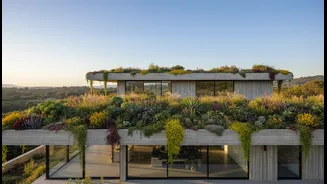
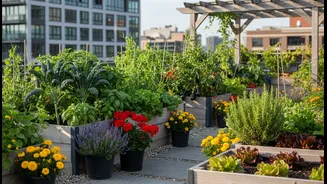
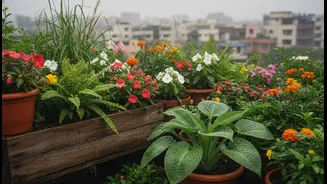
A terrace cooling garden is more than just a collection of pots on a roof. It’s a thoughtfully designed green space that actively lowers the temperature of your home and its immediate surroundings. By transforming a bare, heat-absorbing surface into a living
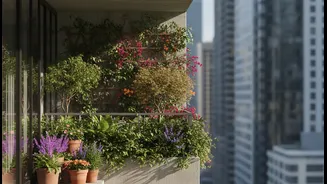
layer of soil and plants, these gardens combat the urban heat island effect, where cities are significantly warmer than rural areas. The core principle lies in creating a complete ecosystem that provides shade and harnesses the natural cooling power of plants. This approach turns your terrace from a source of heat into a buffer that protects your home from the harsh sun.
Nature's Air Conditioning: The Science of Cooling
The cooling magic of a terrace garden happens in two main ways: shading and evapotranspiration. First, the layer of soil and the canopy of plants provide direct shade to the roof's surface, which can be up to 20°C cooler than an exposed concrete roof. This drastically reduces the amount of heat transferred into the building below. Secondly, plants act as natural swamp coolers through a process called evapotranspiration. They draw water up through their roots and release it as cool water vapour from their leaves. This process actively absorbs heat from the surrounding air, and a well-planted area can feel several degrees cooler, potentially reducing indoor temperatures and cutting down on air conditioning needs.
A Leap Towards Sustainable Urban Living
The benefits of a cooling garden extend far beyond personal comfort. By reducing the need for air conditioning, you significantly lower your home's energy consumption and carbon footprint. These gardens are also excellent for water management. They can absorb a large percentage of rainwater, reducing stormwater runoff that can overwhelm city drainage systems. Furthermore, a rooftop garden creates a micro-habitat in the middle of the city, attracting birds and pollinators like bees and butterflies, thereby boosting urban biodiversity. It becomes a small but powerful node in the larger urban ecosystem, promoting a healthier environment for everyone.
The Joys of a Seasonal Kitchen Garden
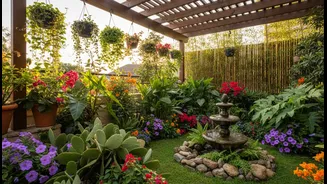
Beyond the cooling and environmental benefits lies the simple, profound joy of gardening. A terrace garden provides a direct connection to nature and your food source. In the Indian context, you can cultivate a variety of seasonal vegetables year-round. Summer is perfect for heat-loving plants like okra (bhindi), chillies, and gourds, while winter is ideal for spinach, carrots, and peas. Tending to plants is a proven stress-reducer, offering a therapeutic escape from the hustle of city life. Harvesting your own fresh, organic produce is not only healthier but also incredibly rewarding, reducing grocery bills and ensuring you know exactly what's on your plate.
Getting Started: Your First Steps
Starting a terrace garden requires some planning. First, ensure your terrace is properly waterproofed and can handle the weight of soil, water, and plants; consulting a structural engineer for larger setups is a wise move. Begin with lightweight containers or grow bags and a quality potting mix. Choose plants suited to your local climate and the amount of sunlight your terrace receives—most vegetables need at least five to six hours of sun daily. Setting up a simple drip irrigation system or having a convenient water source is crucial. Start small with a few easy-to-grow plants like tomatoes, chillies, or herbs to build your confidence.